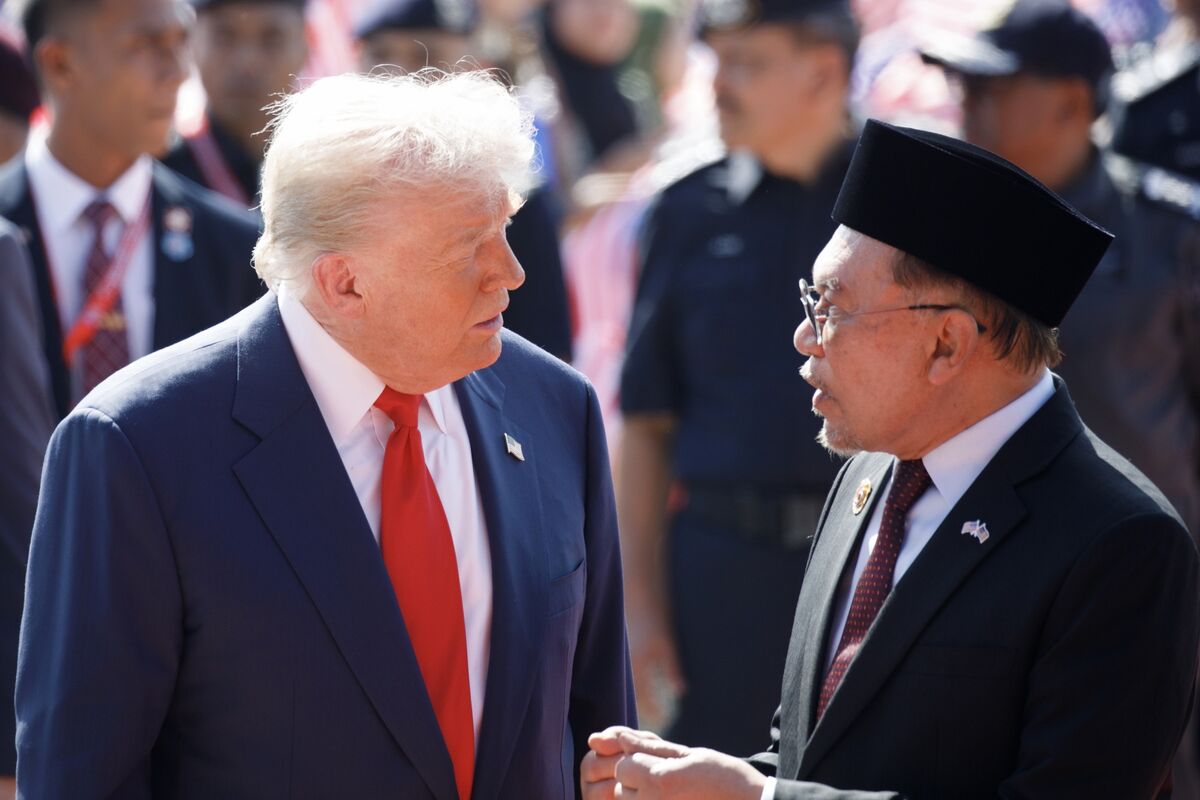
US President Donald Trump and Malaysian Prime Minister Anwar Ibrahim signed a trade agreement and a critical minerals pact, signaling a strategic move by the U.S. to boost trade across Southeast Asia and counter China's tightening control over rare earths. The deal, which involves Malaysia modifying tariffs and non-tariff barriers, is anticipated to enhance trade in the agriculture, technology, and services sectors, reflecting an effort to strengthen economic alliances and diversify critical supply chains.
The United States, led by President Trump, has signed a significant trade agreement and critical minerals pact with Malaysia, represented by Prime Minister Anwar Ibrahim. This bilateral initiative is strategically aimed at enhancing US trade relations across Southeast Asia, directly addressing China's increasing control over rare earth supplies. The move underscores a broader geopolitical effort to diversify critical supply chains and strengthen economic alliances.
Under the new agreement, Malaysia is committed to modifying its tariffs and non-tariff barriers, which is expected to facilitate greater trade flows. US Trade Representative Jamieson Greer specifically highlighted potential benefits for the agriculture, technology, and services sectors. This suggests a targeted approach to fostering growth in key economic areas for both nations.
The strongly positive sentiment and moderate market impact score associated with this deal reflect its potential to reshape regional trade dynamics and supply chain resilience. While no specific tickers are identified, the agreement's focus on critical minerals and technology implies potential long-term implications for industries reliant on these resources. This development could signal a shift in global trade patterns, particularly concerning strategic commodities.
AI-powered research, real-time alerts, and portfolio analytics for institutional investors.
Request DemoOverall Sentiment
strongly positive
Sentiment Score
0.70
