Recent GDP figures highlight the UK's persistent economic sluggishness, challenging the government's narrative of a new economic chapter. With borrowing limits nearing their maximum, further tax increases are anticipated in the autumn budget. Despite significant spending on the health service, its sustainability remains a concern, while both the government and opposition face criticism for failing to effectively communicate their economic strategies.
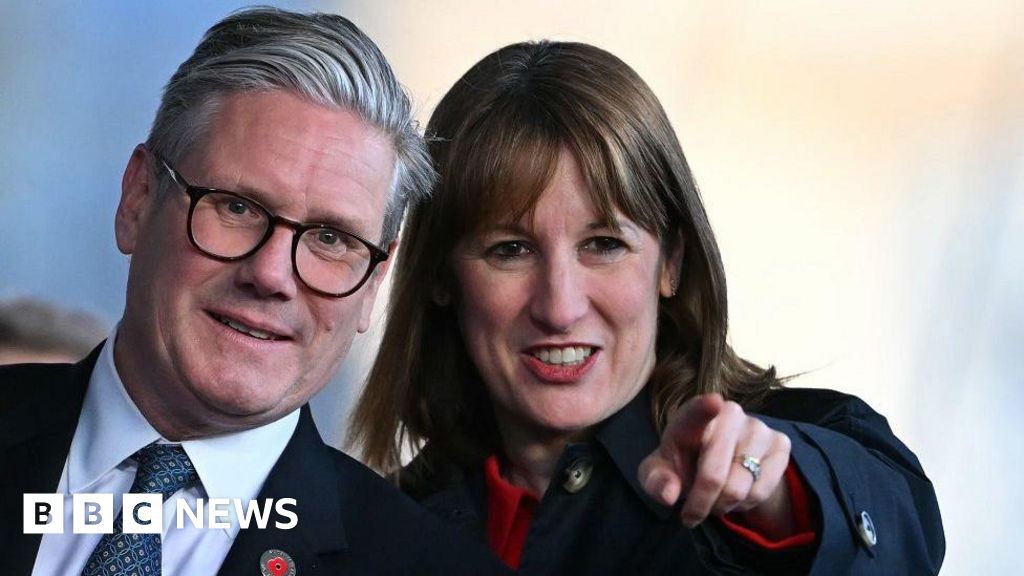
The latest UK GDP figures indicate a persistent state of economic sluggishness, characterized by flatlining or even contracting growth, which starkly contrasts with the government's recent narrative of embarking on a new economic chapter post-Spending Review. This economic inertia is exacerbated by the acknowledgement, including within the Treasury, that government borrowing is nearing its sustainable limits. Consequently, there is a strong probability of further tax increases being announced in the autumn Budget to address fiscal constraints in a slow-growth environment. The substantial scale of public spending is highlighted by the projected day-to-day health service expenditure, anticipated to reach £226 billion by 2028-29 – an amount comparable to the entire economic output of Portugal – raising significant questions about its long-term fiscal sustainability. Adding to the economic uncertainty, both the current government and the opposition, led by Sir Keir Starmer and Rachel Reeves, are reportedly struggling to effectively communicate their economic strategies and vision, which may be contributing to a lack of confidence. The article points to a marked difference in the willingness to borrow for long-term investments between a potential Labour government and the current Conservative one, a key differentiator for future fiscal policy.
AI-powered research, real-time alerts, and portfolio analytics for institutional investors.
Request DemoOverall Sentiment
moderately negative
Sentiment Score
-0.60
