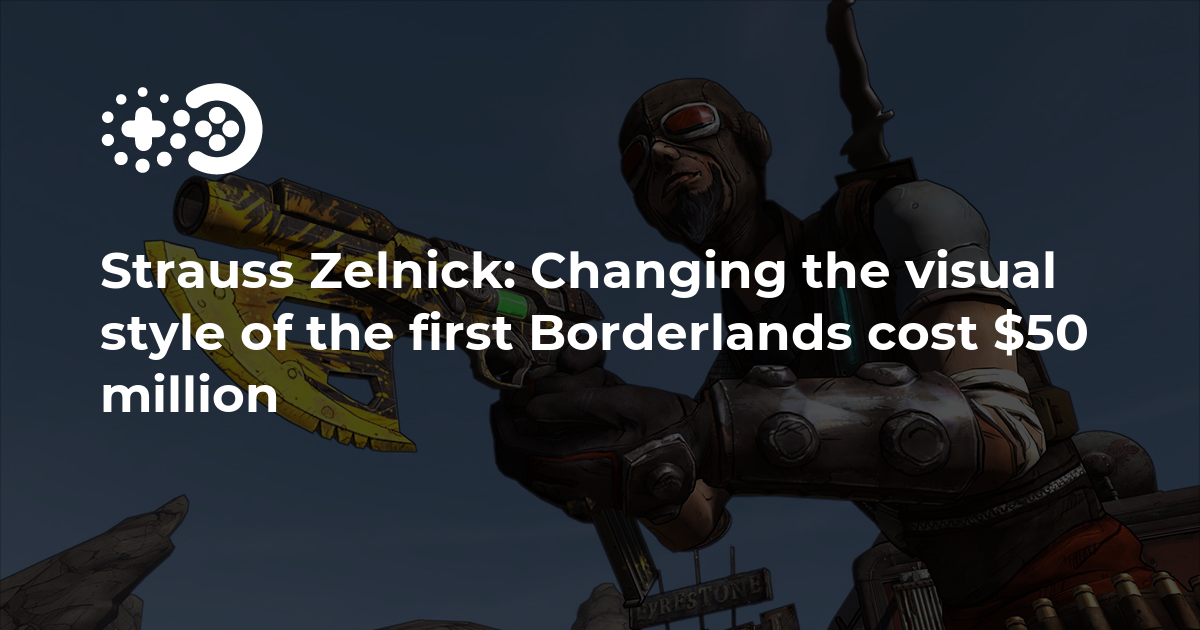
Take-Two approved an additional $50 million and one more year of development for the original Borderlands, a nonobvious decision that ultimately helped the game become a hit by shifting it to its now-recognizable cel-shaded style. CEO Strauss Zelnick framed the move as a test of business resilience and creative judgment. The article is retrospective and does not indicate any immediate financial impact.
The key signal is not the creative choice itself, but the willingness of a publisher to absorb a large sunk-cost overrun when the upside was still highly uncertain. That implies Take-Two’s edge is less about forecasting exact hit rates and more about underwriting optionality in content pipelines; in a hit-driven business, the right tail matters disproportionately, and one rescue decision can pay for multiple misses. For competitors, this highlights a structural disadvantage for publishers that optimize too tightly around budget discipline: they may save on one title but systematically miss the breakout franchises that define multi-year valuation compounding.
The second-order effect is on bargaining power with developers. A management team that has demonstrated willingness to extend timelines and fund pivots can attract better external studios and negotiate more favorable terms over time, because creative partners value flexibility as much as capital. Conversely, the hidden risk is that this behavior can become a precedent: if developers internalize that late-stage resets are tolerated, budgets and schedules may drift upward across the slate, pressuring near-term margins even if long-term IP quality improves.
From a market perspective, the relevant horizon is months to years, not days. The catalyst is the next evidence that Take-Two can repeat this pattern without destroying ROI—i.e., whether patient capital keeps producing outsized franchise value rather than a one-off anomaly. The contrarian miss in the market is likely to be underestimating how much of gaming’s economics are governed by asymmetric payoff distribution; in that regime, a single saved franchise can justify unusually high tolerance for development variance.
AI-powered research, real-time alerts, and portfolio analytics for institutional investors.
Overall Sentiment
mildly positive
Sentiment Score
0.20
