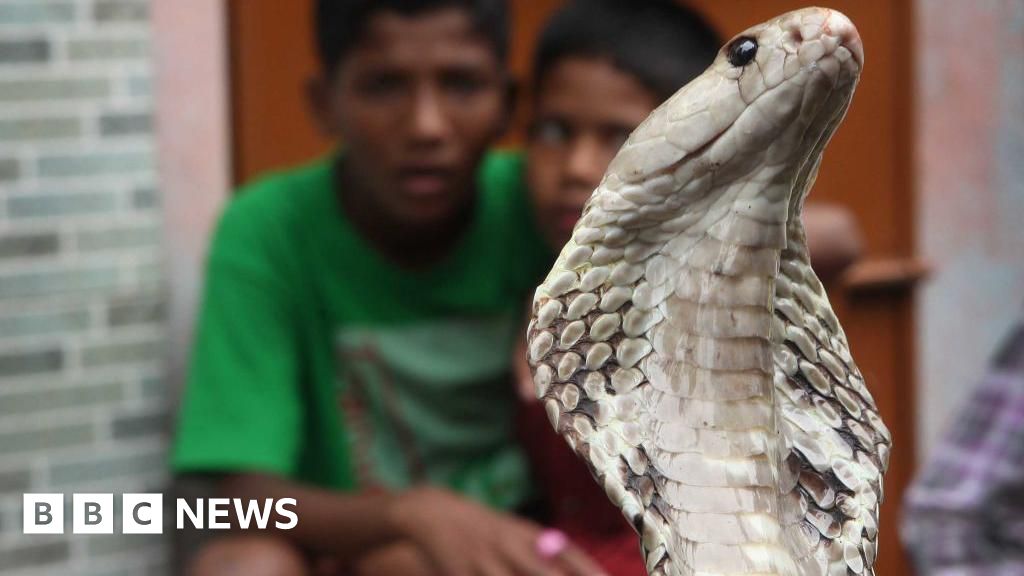
India faces a large, under-addressed snakebite crisis with official estimates of ~50,000 deaths per year and academic estimates averaging ~58,000 annually between 2000–2019. A Global Snakebite Taskforce survey of 904 clinicians across four high-burden countries found 99% report difficulties administering antivenom due to limited supply, poor infrastructure and insufficient training; nearly half reported treatment delays causing amputations or lifelong disability. The government launched a National Action Plan (NAPSE) in 2024 aiming to halve deaths by 2030 and some states are making snakebites notifiable, but gaps persist because available antivenom targets only the “big four” species and region-specific products and trained capacity remain scarce.
Market structure: The crisis crystallises a niche, underinvested healthcare market in India — region-specific antivenoms, diagnostics and biologics manufacturing capacity. Winners: Indian biologics CMOs and diagnostics players able to manufacture horse-serum derived antivenom or recombinant antibody therapies; NGOs and contract research orgs that win government tenders. Losers: generalist rural clinics and under-equipped primary health centres with limited capacity to safely administer antivenom, and incumbent antivenom suppliers who only cover the “big four” and face regional obsolescence.
Risk assessment: Key tail risks include product liability or adverse-reaction clusters prompting regulator recalls, and supply shocks (horse serum shortages or cold‑chain failures) that could halt scaling; these could materialise within 6–24 months. Hidden dependencies: meaningful commercial demand requires state-level policy adoption (notifiable disease, procurement budgets) and training programs; without both, manufacturing capacity will be underutilised. Catalysts: Karnataka’s notifiable order being copied by 3–5 more states within 12 months, or a central NAPSE procurement tender (within 3–9 months) would accelerate revenue visibility.
Trade implications: Tactical long exposure to Indian healthcare/biologics CMOs and diagnostics makers is attractive on a 6–24 month horizon; use ETFs for basket exposure and select small/mid-cap longs for alpha. Expect modest fiscal pressure on state finances and possible small widening of state bond spreads if central transfers don’t cover additional procurement; INR impact should be neutral-to-mildly positive if reforms improve procurement efficiency.
Contrarian angle: Consensus underestimates integration time — region-specific antivenoms will take 1–3 years R&D and regulatory cycles, so near-term winners are existing CMOs that can pivot rather than small biotech promises. The market may overprice regulatory and litigation risk; a disciplined, trigger-based approach (state policy adoptions, central tenders) reduces execution risk and identifies genuine demand growth.
AI-powered research, real-time alerts, and portfolio analytics for institutional investors.
Request DemoOverall Sentiment
moderately negative
Sentiment Score
-0.35
