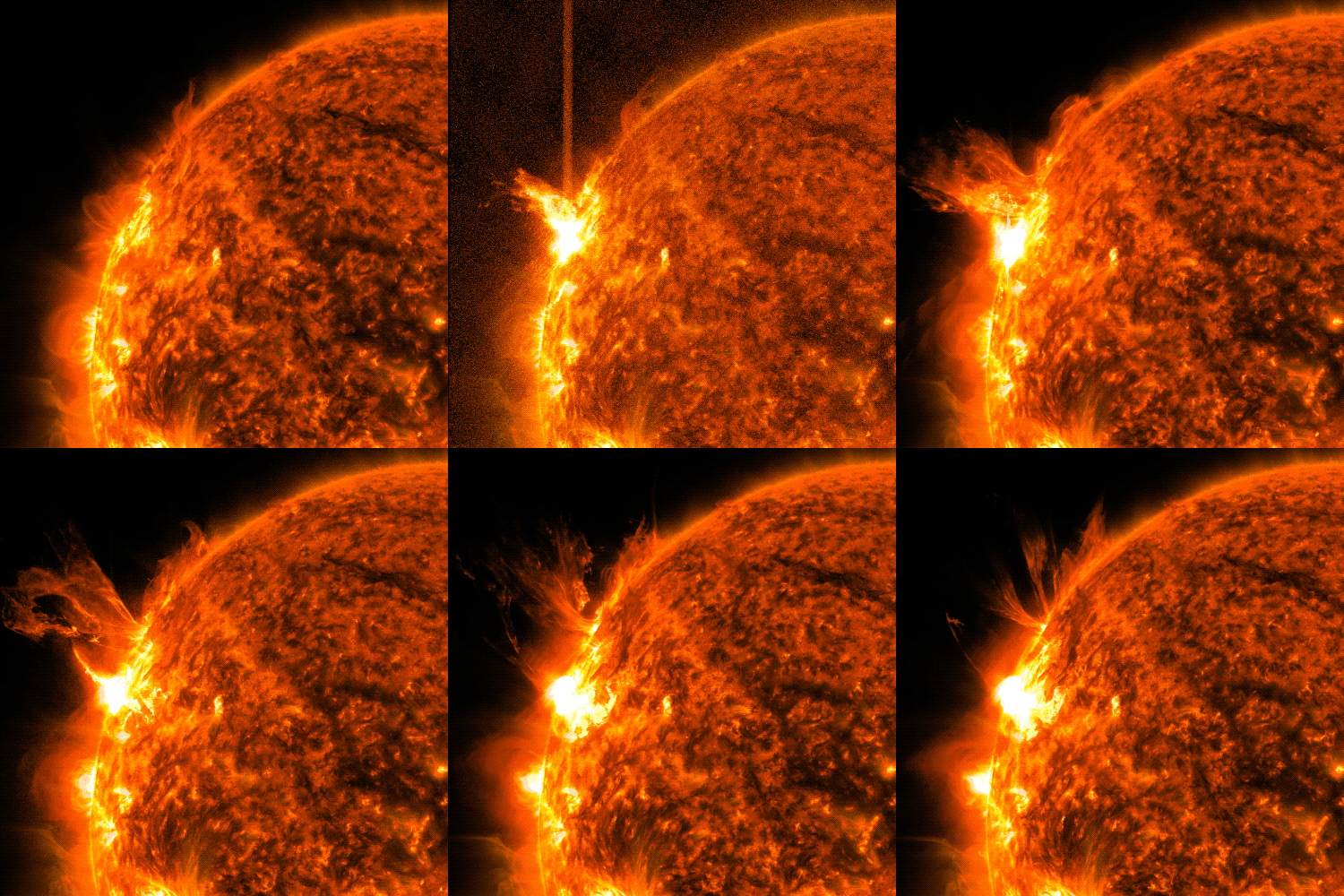
A strong X1.9 solar flare peaked at 9:49 p.m. ET on Nov. 30, 2025, observed by NASA’s Solar Dynamics Observatory. Such X-class flares can disrupt radio communications, navigation signals, electric power grids and pose risks to spacecraft and astronauts, so operators of satellites, power infrastructure and transportation services should monitor NOAA’s Space Weather Prediction Center for potential impacts and advisories.
Market structure: An X1.9 flare is large enough to create short-term winners (power‑grid hardening and industrial electronics makers) and losers (satellite comms and small GEO/LEO operators). Expect relative outperformance for infrastructure/defense suppliers (ETN, ABB, RTX, LHX) as demand for hardened gear and satellite mitigation services rises; small-cap satellite and comms names (VSAT, MAXR, IRDM) face ~1–8% operational risk to near‑term revenues if HF/GPS outages persist for 24–72 hours. Volatility will spike in single‑name equity options for satellite and aerospace stocks; modest safe‑haven flow into Treasuries and gold could compress yields by a few bps intraday if outages materialize.
Risk assessment: Tail risk (Carrington‑class) remains low but fat‑tailed: a CME impact causing G4–G5 geomagnetic storm would trigger multi‑day grid outages and multi‑bn$ insured losses, likely accelerating regulatory capex and defense procurement over 12–36 months. Immediate window: 0–7 days for communications/GPS disruption; short term 1–3 months for insurance and satellite anomaly reporting; long term 6–36 months for capex and contracting. Hidden dependency: GPS timing disruptions can cascade into logistics, HFT timestamping and pipeline SCADA; monitor NOAA G‑scale and predicted CME arrival windows as primary catalysts.
Trade implications: Tactical plays favor buying protection on satellite equities (short dated puts/put spreads) and accumulating convex exposure to industrials/defense via 6–12 month call spreads. Rotate 2–5% portfolio from pure‑growth satellite names into industrials/defense and electrical equipment suppliers; increase hedges if NOAA issues a G3+ geomagnetic storm forecast with CME arrival within 72 hours. Options vol for satellite names should be bought with 1–3 month expiries; buy longer dated call spreads (6–12 months) on ETN/RTX/LHX to capture policy/capex re‑pricing.
Contrarian angles: Consensus underestimates the multi‑year capex impulse — a single impactful CME that causes >$500m insured loss historically triggers multi‑year procurement cycles. Reaction may be overdone for large diversified platform providers (e.g., SES, large terrestrial backhaul owners) where outages are operationally temporary; avoid indiscriminate shorting. Historical storms (2003/2015) caused concentrated operational losses but also spawned multi‑bn$ hardening contracts over 1–3 years, so long‑dated capex plays may outperform short‑term hedges.
AI-powered research, real-time alerts, and portfolio analytics for institutional investors.
Request DemoOverall Sentiment
neutral
Sentiment Score
-0.05
