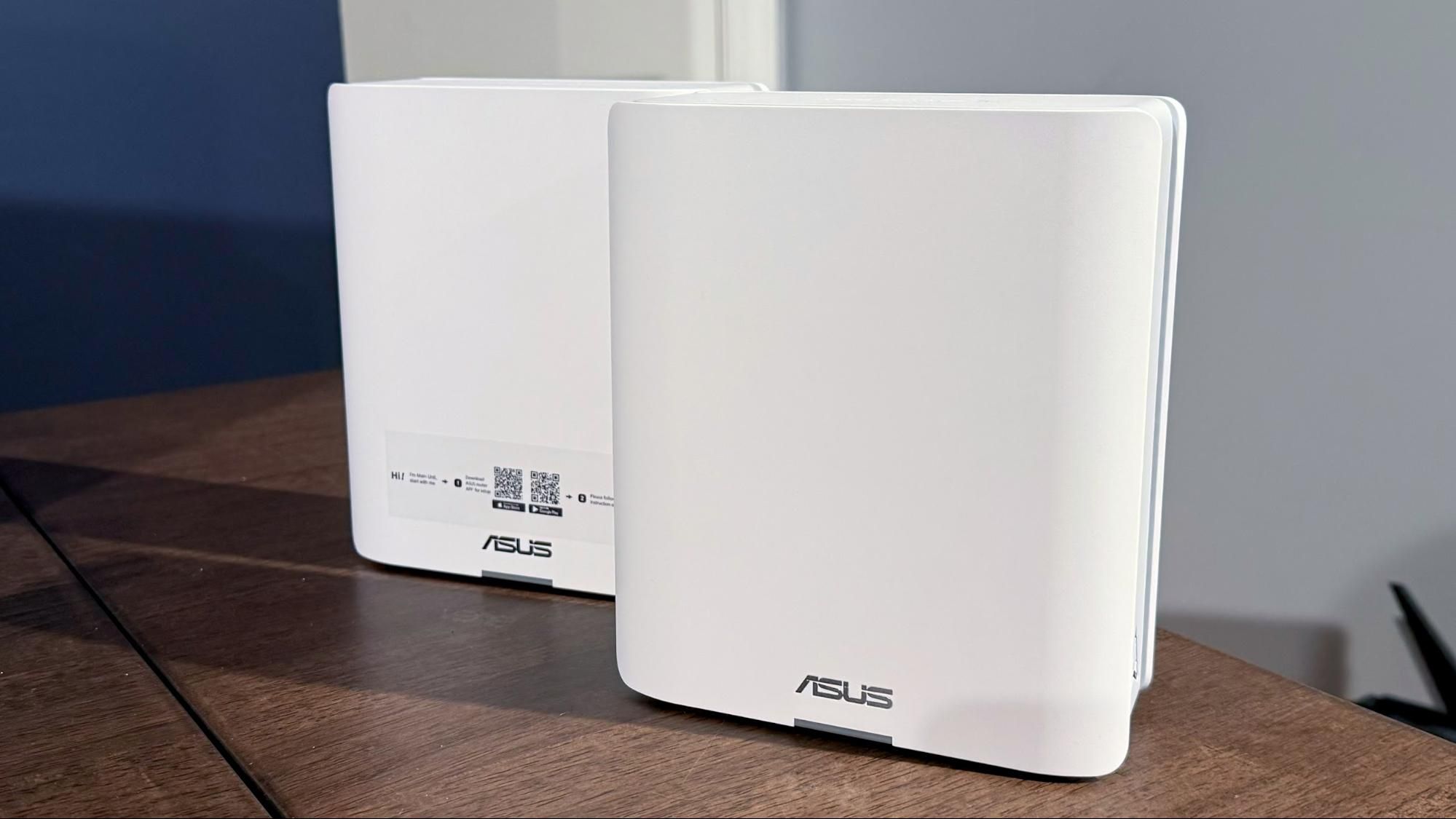
The FCC has barred future imports of consumer-grade Wi‑Fi routers manufactured overseas, allowing already-imported devices to remain on sale but limiting firmware updates to March 1, 2027 unless vendors secure a Conditional Approval. Conditional Approvals (up to 18 months) require detailed disclosures and costly U.S. onshoring plans; major vendors (Netgear, TP‑Link, Asus, Linksys) appear positioned to comply, while smaller foreign budget suppliers risk loss of market access, potential shortages, and upward pressure on retail and ISP-provided router prices.
Winners will be incumbents with U.S. IP, domestic HQs and pre-existing U.S. supply-chain footprints — they can convert regulatory friction into price and share gains while smaller import-reliant rivals face structural cost inflation. Expect unit-level COGS to rise materially if final assembly or controlled suppliers move stateside: conservative modeling implies a 10–30% increase in factory cost per consumer router, which translates to roughly $10–40 higher ASPs at current volumes and compresses gross margins unless vendors pursue higher ASPed SKUs or service attach.
A key second-order beneficiary is contract manufacturing and systems integrators that can scale U.S. lines quickly; these players can charge premium margins for nearshore assembly and logistics services and collect longer-term recurring revs via warranty/secure-management offerings. ISPs are a pivotal distribution lever — if they accept higher unit costs, they will likely shift commercial terms (larger upfront subsidies, longer amortization of equipment) turning what looks like a consumer hardware problem into a multi-year financing/recurring-revenue opportunity.
Tail risks are regulatory churn and legal pushback that could blunt the timeline, and low-cost OEMs finding loopholes via third-party U.S. assemblers or white-label partnerships which would materially lower the capex required to stay in market. Monitor inventory depletion rates at major retailers and ISP procurement RFP cadence over the next 3–9 months; those are the highest-probability catalysts that will reveal whether higher ASPs and consolidation are priced in or still ahead of the market.
AI-powered research, real-time alerts, and portfolio analytics for institutional investors.
Overall Sentiment
mildly negative
Sentiment Score
-0.20
Ticker Sentiment
