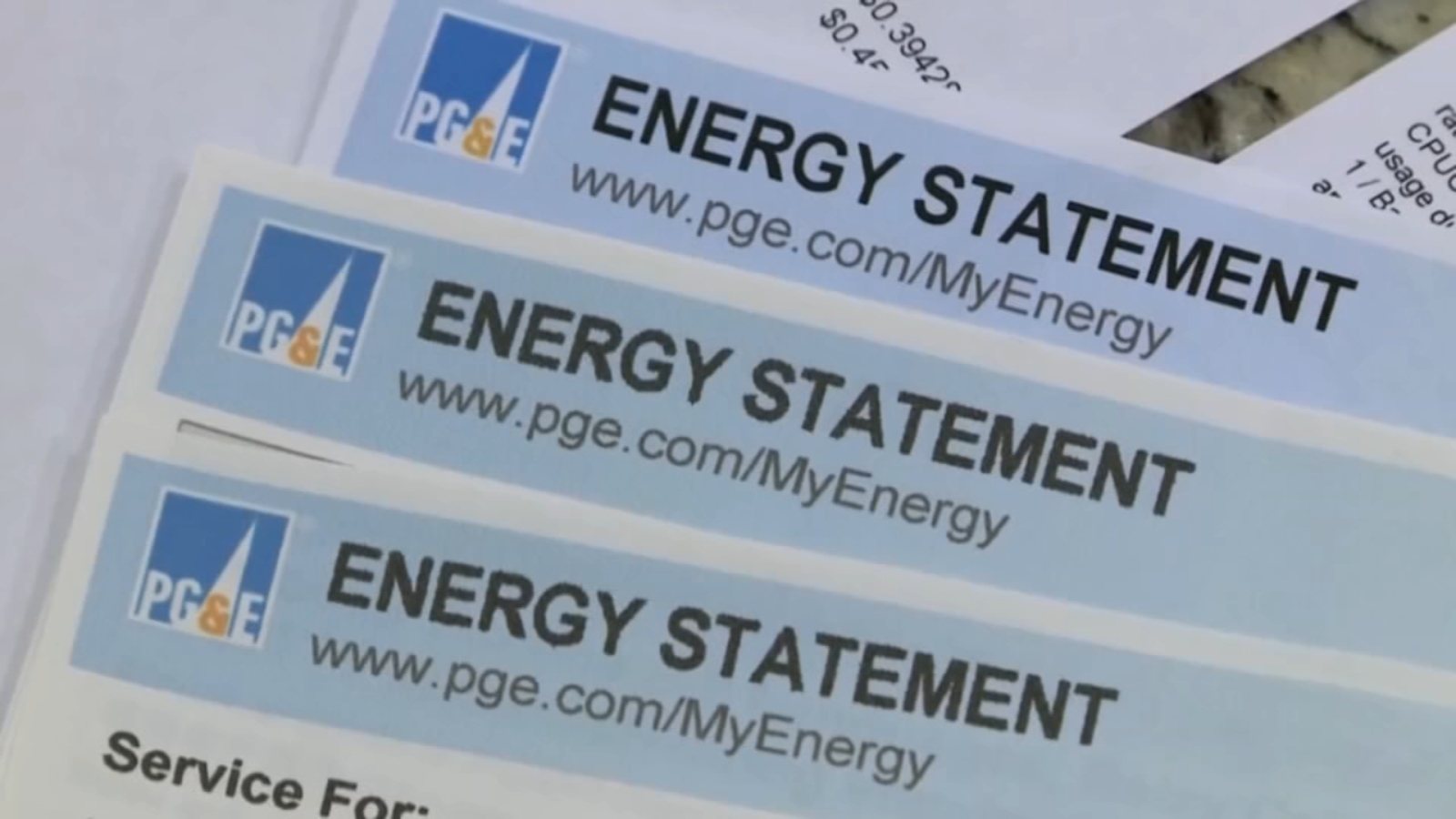
Pacific Gas & Electric will reduce residential electricity rates by about 5% effective January 1 (roughly $7/month for the average customer) and CARE customer bills by about $4/month; natural gas rates will fall ~3% (~$1/month). PG&E says stabilizing energy rates underpin the fourth rate decrease in two years and that Central Valley customers may see larger declines due to higher seasonal usage. Management frames the cuts as delivering predictable savings to customers, which could modestly pressure near-term utility revenue but reflects lower input energy costs and rate stabilization.
Market structure: PG&E (PCG) cutting residential electric rates ~5% and gas ~3% signals lower near-term procurement costs or favorable hedges; customers and political optics win, merchant generators and retail electricity resellers in CA may see slight margin compression. Utility revenue impact is modest (estimated ~$5–$20/month household) but the message reduces political/regulatory pressure short-term and can improve customer retention and O&M predictability over 1–2 years.
Risk assessment: Tail risks remain high — wildfire liabilities, adverse CPUC rulings, or a major operational outage could erase sentiment gains; a >20% equity gap or a 150+ bps widening in PCG credit spreads in 3–12 months would be material. Immediate effects (days–weeks) are sentiment-driven; short-term (months) depends on winter gas prices and CPUC approvals; long-term hinges on capex, wildfire mitigation costs and legal outcomes.
Trade implications: Idiosyncratic upside from stabilizing rates makes a tactical long in PCG attractive but size and hedges must reflect regulatory tail risk; implied-volatility in PCG options should compress if headlines remain calm, favoring modest long-call spreads. Cross-asset: modest positive for PCG credit (bonds) and negative for short-dated power forwards/natural gas if savings reflect lower gas procurement costs.
Contrarian angles: Consensus treats this as PR-driven; instead, this may reflect realized lower hedging costs — potential 5–12% EBITDA stabilization underappreciated by market if winter gas stays benign. Conversely, the market may be complacent about regulatory tail risk — a repeat of 2019/2020 legal shocks would replay large downside unlike typical regulated peers.
AI-powered research, real-time alerts, and portfolio analytics for institutional investors.
Request DemoOverall Sentiment
mildly positive
Sentiment Score
0.32
Ticker Sentiment
