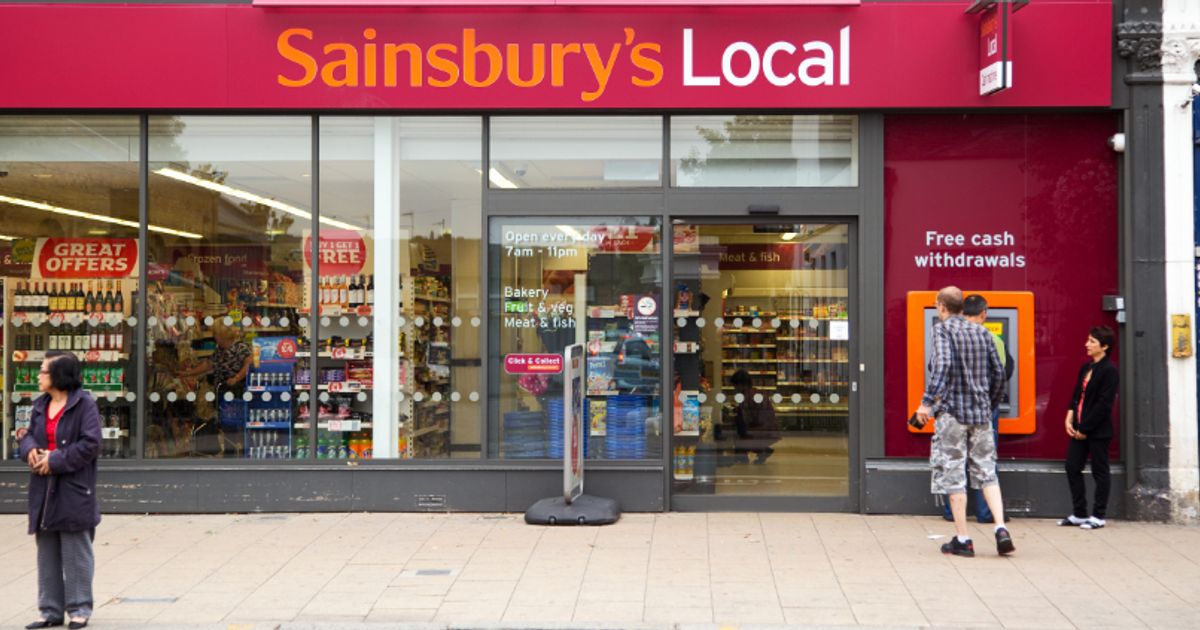
Supermarket Income REIT (SUPR) has completed £40.9 million in property acquisitions, strategically redeploying capital from its joint venture, which includes a £25.6 million Tesco omnichannel store and, notably, its first foray into the convenience sector with 10 Sainsbury's stores for £15.3 million. These income-accretive deals, secured with long, CPI-linked leases and an average net initial yield of 6.4%, are projected to enhance earnings, extend the portfolio's weighted average unexpired lease term to 11 years, and maintain a pro-forma loan-to-value of 36%.
Supermarket Income REIT (SUPR) has completed £40.9 million in strategic property acquisitions, redeploying capital from its joint venture with Blue Owl Capital. This includes a £25.6 million Tesco omnichannel store and a £15.3 million portfolio of 10 Sainsbury’s convenience stores, marking SUPR's initial entry into the convenience grocery market. These transactions contribute to the £99.8 million in proceeds already redeployed at an average yield of 6.7%.
The acquisitions are projected to boost earnings and enhance portfolio stability, evidenced by an improved pro-forma Weighted Average Unexpired Lease Term (WAULT) of 11 years. The average net initial yield across both deals stands at 6.4%, with the Tesco site featuring a 15-year triple-net lease and the Sainsbury's stores also on 15-year leases. Rent reviews for both portfolios are CPI-linked, providing inflation protection with defined caps and floors (Tesco: 0-4%, Sainsbury's: 1-3%).
SUPR's expansion into the convenience sector diversifies its asset base into densely populated urban areas, complementing its existing large-format omnichannel supermarkets. The pro-forma loan-to-value (LTV) ratio remains conservative at 36%, indicating prudent financial management post-acquisition. This strategic move leverages strong market fundamentals in both large-format and convenience grocery real estate.
AI-powered research, real-time alerts, and portfolio analytics for institutional investors.
Overall Sentiment
strongly positive
Sentiment Score
0.75
