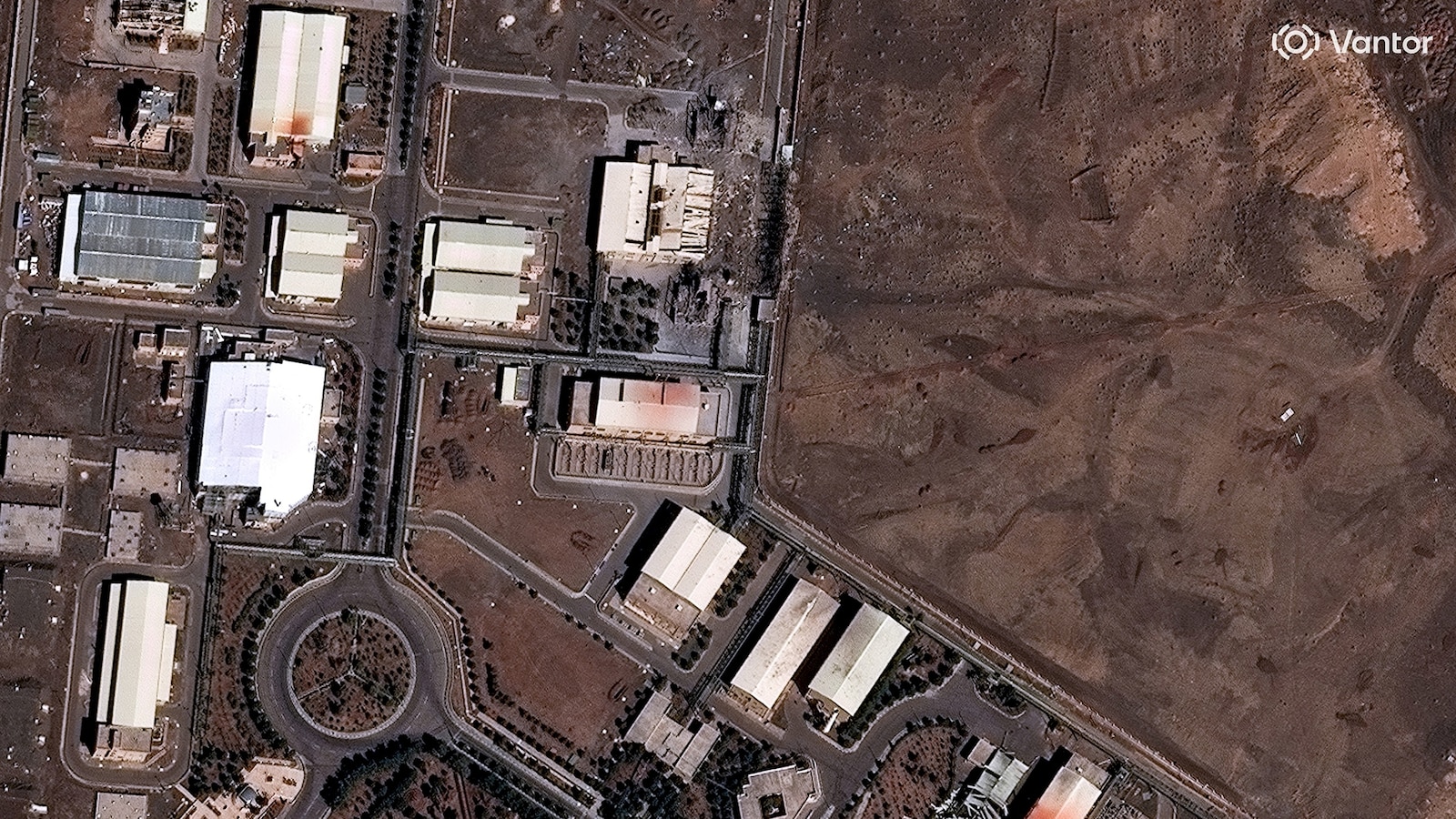
970 pounds of uranium enriched to 60% and an additional 2,200 pounds at 20% are at issue; U.S. officials warn 60% material could be driven to weapons-grade (90%) in ~1 week to 10 days and 20% material in ~3–4 weeks. Former defense officials and analysts say seizing or neutralizing these stocks would likely require a large U.S. special operations ground force and extended on‑the‑ground operations, raising geopolitical risk that is likely to drive risk‑off moves in oil and defense sectors and elevate market volatility.
A U.S. operation that requires a sizable ground footprint shifts demand away from single-action SOCOM contractors toward firms that supply sustained expeditionary logistics, airborne ISR, combat engineering and demolition/explosive ordnance capabilities. That profile favors companies with scalable lift, persistent sensors, and rapid munitions/engineer kit replenishment contracts that can be executed within 1–9 months rather than platforms that benefit from multi-year procurement cycles.
Markets will price this as a short-to-medium term geopolitical liquidity shock: expect oil volatility to rise sharply in the first 48–72 hours of any on-ground announcement with realized vol spiking 20–40% across Brent/WTI and tanker insurance premia widening for several weeks. Concurrently, safe-haven flows into USD and sovereign debt typically compress EM FX by 3–8% in distressed names over 1–3 months, creating cross-asset hedging opportunities.
Two primary tail paths dominate risk/reward: a limited kinetic/demolition outcome that front-loads demand for munitions, ISR and demolition engineering and collapses after weeks versus a protracted occupation that sustains large logistics and contractor revenue for quarters. Catalysts that would flip the market include rapid diplomatic de-escalation (60–90 days) or a broader asymmetric retaliation campaign by regional proxies that elevates energy and insurance costs for many months.
Consensus positioning is skewed toward a prolonged defense spending windfall; that is likely overdone if political constraints force demolition and withdrawal rather than occupation. If correct, near-term winners are tactical suppliers and ISR/analytics firms where contracts can be executed quickly; longer-duration logistics and base-support names carry execution and political risk that could undercut multiple quarters of expected revenue growth.
AI-powered research, real-time alerts, and portfolio analytics for institutional investors.
Request DemoOverall Sentiment
strongly negative
Sentiment Score
-0.60
