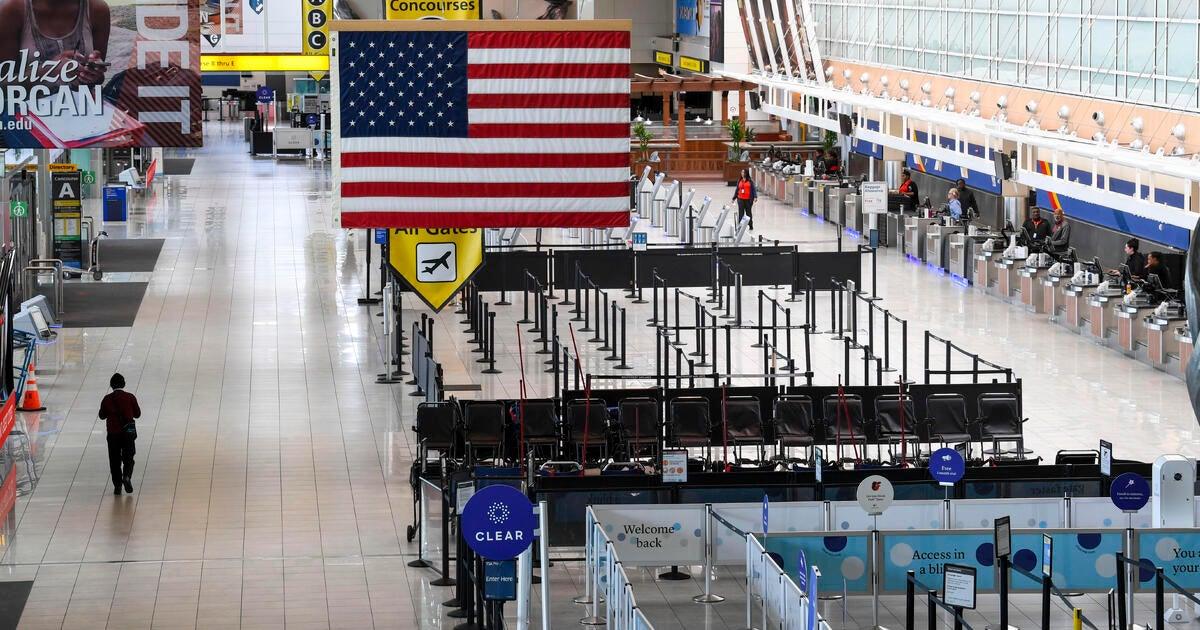
The Federal Aviation Administration (FAA) is implementing a 10% reduction in air traffic capacity across 40 high-volume U.S. airports, including major hubs like Atlanta, Dallas, New York City, and Los Angeles, with cuts phasing in starting Friday and reaching full effect next week. This operational constraint is a direct result of air traffic controller shortages exacerbated by the ongoing government shutdown, posing significant logistical challenges and potential revenue impacts for airlines and cargo operators.
The Federal Aviation Administration (FAA) has ordered a 10% reduction in air traffic capacity across 40 high-volume U.S. airports, including major hubs like Atlanta (ATL), Dallas (DFW), and New York (JFK, LGA, EWR). This directive, effective Friday and fully implemented next week, stems from air traffic controller shortages due to the ongoing government shutdown, where personnel are working without pay.
This operational constraint will significantly impact both passenger and cargo operations, affecting a broad spectrum of airlines and logistics firms. Noteworthy cargo hubs such as Louisville (SDF), Memphis (MEM), and Anchorage (ANC) are included, alongside general aviation airports like Teterboro (TEB). The emergency order highlights the direct vulnerability of critical transportation infrastructure to federal fiscal policy.
The "strongly negative" sentiment and a market impact score of 0.65 signal substantial anticipated disruption and financial repercussions for the aviation sector. Reduced capacity implies fewer flights, potentially leading to revenue losses for airlines and increased operational costs from schedule disruptions. This situation underscores the industry's sensitivity to political gridlock and its associated operational challenges.
AI-powered research, real-time alerts, and portfolio analytics for institutional investors.
Overall Sentiment
strongly negative
Sentiment Score
-0.75
