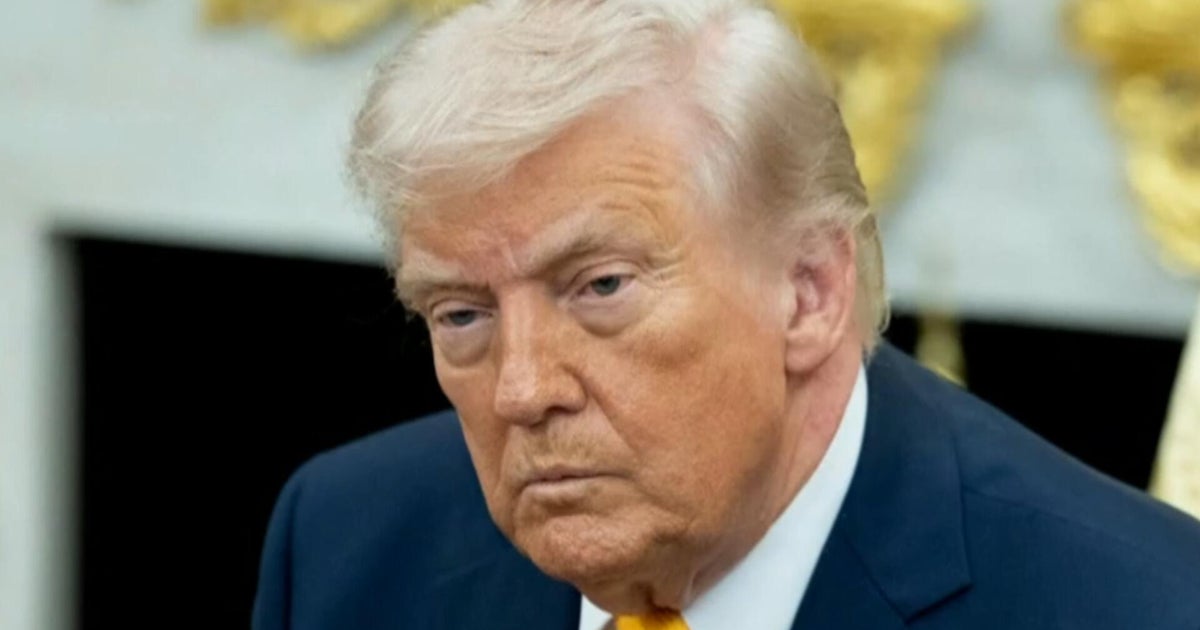
9 p.m. ET prime-time address: President Trump will provide an update on Iran tonight. He said the conflict could end in "two weeks, maybe three," while signaling willingness to use force (threatening to "obliterate" electric plants, oil wells and Kharg Island) if the Strait of Hormuz is not reopened; the U.S. has deployed hundreds of Special Operations Forces plus Marines and paratroopers and Pentagon options for ground forces are being prepared.
Immediate market mechanics will be driven less by rhetoric and more by navigation and insurance frictions: a prolonged or threatened closure of the Strait of Hormuz forces rerouting, delays of ~7–10 days for some voyages and raises tanker time-charter equivalent (TCE) rates and war-risk premiums materially. That benefits owners of VLCC/AFRA tonnage, tank storage operators and physical traders who can arbitrage location spreads; it hurts short-haul refined-product supply chains and will widen crack spreads in refiners that rely on Middle East crude versus those fed by U.S. light crude.
A near-term military escalation or credible threat of strikes on oil infrastructure creates asymmetric upside for defense electronics, ISR, and munitions suppliers with near-term executable orders; positions with short manufacturing lead times capture revenue within 1–3 quarters, while large-platform OEM wins play out over 12–36 months. Sanctions/denial operations will also accelerate demand for non-traditional insurance, private security, and black-fleet brokering — an opaque revenue pool that benefits niche service providers and trading houses.
Catalysts cluster tightly: tonight’s speech and any concrete sequencing of strikes or concessions will move Brent and regional risk premia within hours-to-days; a negotiated technical reopening would reverse moves within 1–4 weeks, while physical damage to Kharg or power infrastructure creates a multi-month shock. Tail risk (nuclear escalation, major oil infrastructure damage) is low-probability but high-impact — >$20/bbl move in weeks and contagion to shipping, EM FX, and global inflation expectations.
Consensus frames this as a simple short-term oil shock; what’s underpriced is the bifurcation between asset owners (tankers, storage) and users (airlines, refiners dependent on ME crude), and the speed at which defense suppliers can convert standing inventory into revenue. That suggests asymmetric option structures and hedged cash positions over naked directional exposure.
AI-powered research, real-time alerts, and portfolio analytics for institutional investors.
Request DemoOverall Sentiment
moderately negative
Sentiment Score
-0.60
