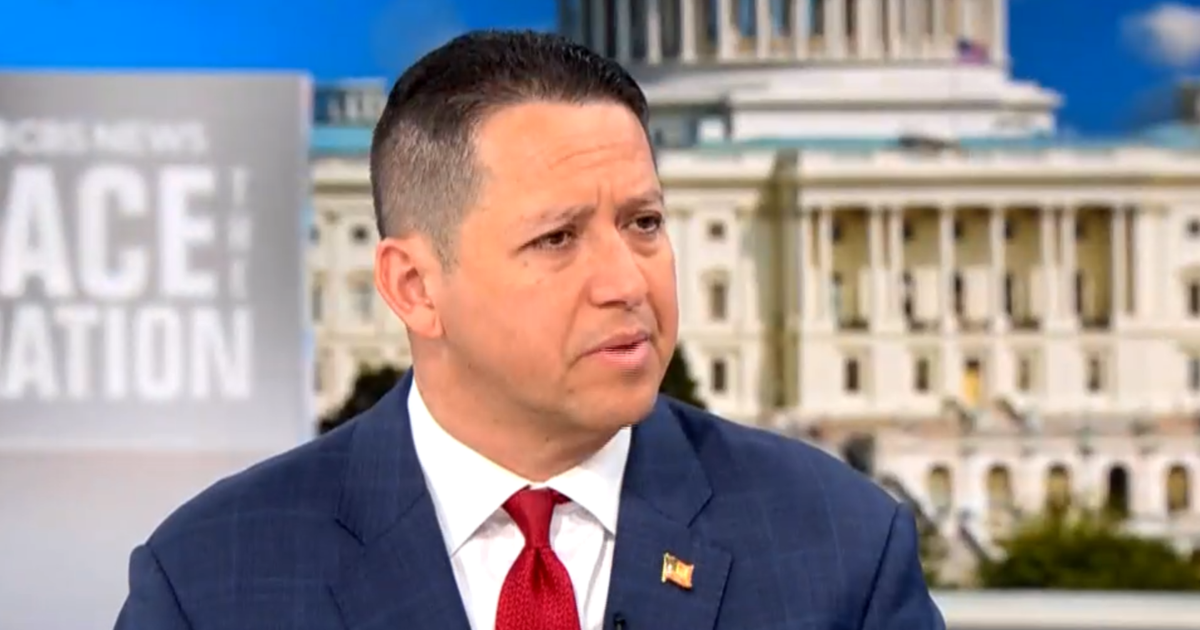
A measles outbreak at the Dilley, Texas immigration detention center prompted DHS to halt movement after two active infections, while Rep. Tony Gonzales defended the facility’s conditions amid criticism and a high-profile child detention case. The story highlights growing political friction over immigration enforcement—including calls from Democrats for judicial-warrant requirements, body cameras and other operational reforms—and comes as DHS funding faces imminent expiration, raising near-term policy and political risk rather than direct market implications.
Market structure: Immediate winners are public-sector technology and equipment suppliers (AXON, PLTR, LDOS) if Congress mandates body cameras/ID systems; direct losers are private prison operators (GEO, CXW) and detention-service subcontractors due to reputational and legislative risk. Pricing power for private detention operators is constrained—contracts are typically short-to-medium term and politically fungible, so risk premia should be higher (implying >10–20% downside in stressed scenarios over 3–12 months).
Risk assessment: Tail risks include rapid contract cancellations, class-action suits, or DHS appropriation riders banning private detention—low probability but high impact (>$500m revenue loss for large operators). Near-term catalyst: DHS funding deadline within 7 days; medium-term: incoming congressional appropriations language (30–90 days). Hidden dependencies: state-level policy shifts and NGO litigation timelines can accelerate federal action 3–12 months out.
Trade implications: Tactical short bias on GEO/CXW via 3–6 month puts sized 1–2% portfolio each; hedge with small long exposure to government tech contractors (PLTR, LDOS) and body-camera vendor AXON via 9–12 month call spreads. Quantify triggers: trim shorts if either GEO/CXW trades >30% below current levels or DHS passes appropriation without restrictive riders within 14 days.
Contrarian angle: Consensus discounts takeover or spike-revenue scenarios; consider asymmetric options: buy 12–18 month OTM call packages (size 0.25–0.5% portfolio) on GEO/CXW as optionality if policy stabilizes. The market may be overpricing immediate regulatory certainty—political cycles (elections 12–24 months) can reverse outcomes, making long-dated calls cheap insurance.
AI-powered research, real-time alerts, and portfolio analytics for institutional investors.
Request DemoOverall Sentiment
neutral
Sentiment Score
0.00
