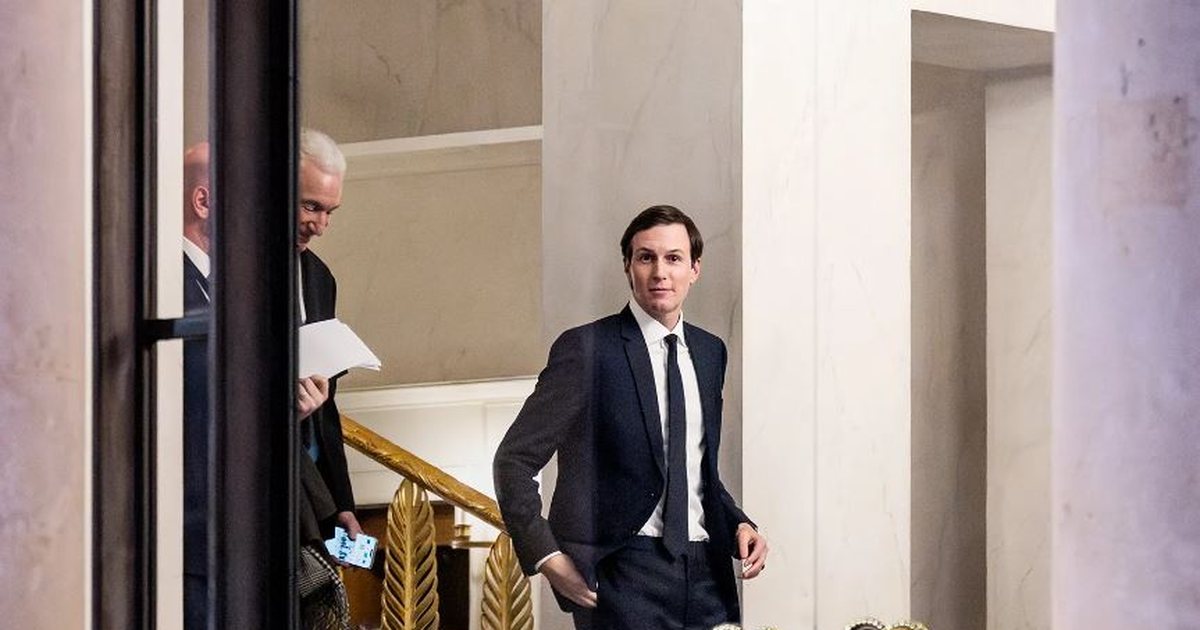
Gulf sovereign investors in Jared Kushner's Affinity Partners are reportedly disappointed that tens of millions of dollars in annual fees and billion-dollar commitments have not translated into meaningful political influence in Washington. The article says Saudi Arabia, Qatar and the UAE had expected access on security and foreign-policy issues, but the US decision to press on with the Iran conflict despite their objections highlighted the limits of that strategy. The main impact is reputational and political rather than immediate market-moving.
The market takeaway is not about one fund; it is about the declining marginal value of “access capital” as a geopolitical tool. That matters for any asset manager whose core pitch depends on proximity to power: when a policy outcome is driven by security imperatives rather than relationship arbitrage, the premium investors are willing to pay for political optionality should compress. In private markets, that likely shows up first in slower fundraising for politically branded vehicles and a wider dispersion between managers with real sourcing edge versus those selling influence exposure. For Gulf allocators, this is a reputational and strategic reset, not just a disappointment trade. The second-order effect is that capital may rotate toward more opaque, less relationship-dependent channels—co-invests, direct deals, and domestic sovereign platforms—reducing flows to intermediaries that charge high fees for soft influence. That is mildly negative for the broader “Washington access” ecosystem, including lobbying, policy advisory, and crossover PE funds that have relied on state-backed LPs seeking geopolitical insurance rather than pure financial return. The contrarian angle is that the headline disappointment may actually improve the economics of the fund if it forces a more rational LP base. If Gulf investors mark down their expectations, they may stay invested for returns but stop overpaying for political embeddedness, which could reduce redemption pressure and lower headline controversy. The bigger risk is regulatory: the more visible the conflict between diplomacy and private capital becomes, the more likely it is that future administrations scrutinize similar arrangements, creating a multi-year overhang for funds trading on political adjacency rather than performance. From a market standpoint, the cleanest expression is not a directional macro trade but a relative-value one: short the premium on political access, long managers with institutional, process-driven fundraising and no geopolitical overhang. In the near term, this should weigh on sentiment around politically connected private-markets franchises, while the beneficiaries are likely to be plain-vanilla PE/VC platforms and independent policy consultancies that can separate governance risk from alpha generation.
AI-powered research, real-time alerts, and portfolio analytics for institutional investors.
Request DemoOverall Sentiment
mildly negative
Sentiment Score
-0.20
