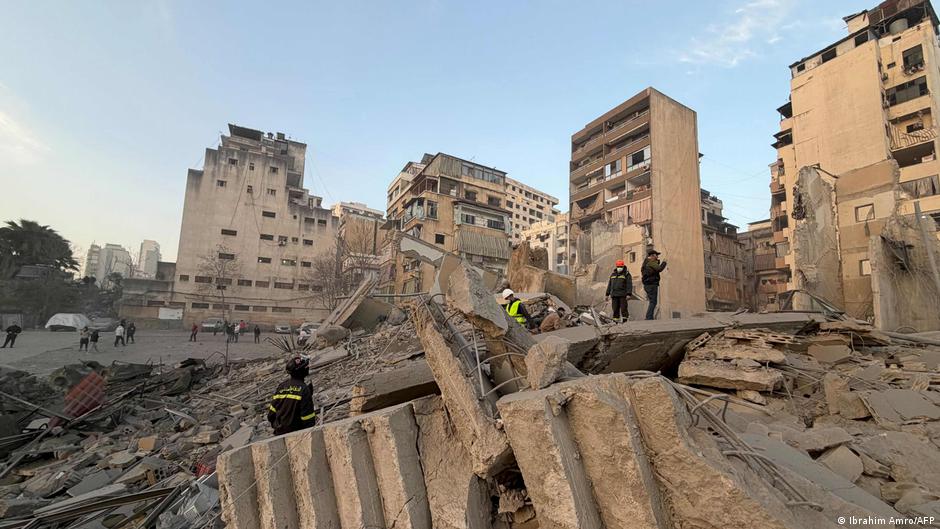
At least 12 people were killed in overnight Israeli strikes on central Beirut, part of what Lebanese officials say are strikes that have killed more than 900 people since early March and displaced over 1 million. Three densely populated neighborhoods were hit in quick succession—one building flattened—and strikes included areas near government offices and embassies, reflecting an expanded US‑Israeli campaign targeting Iran-linked positions. Expect near-term risk-off flows, potential regional escalation, pressure on emerging-market assets and safe-haven buying; monitor for spillovers to energy markets and broader geopolitical risk premia.
This escalation — strikes deep into a capital with civilian casualties and no advance warning — is a classic sentiment shock that transmits to markets via three quick channels: safe‑haven flows, commodity/insurance repricing, and accelerated defense procurement. In the first 1–30 days expect outsized bid for gold and US Treasuries and a visible widening of bid/ask spreads and war‑risk premiums in marine and cargo insurance; insurers and brokers that underwrite or place that risk will see near‑term revenue volatility and higher commissions. Over 3–12 months, credible risk of broader Iran‑directed retaliation (including attacks on shipping lanes or oil infrastructure) materially raises the probability of sustained $5–12/bbl ETP oil risk premia and forces energy shipping to reroute or pay higher premiums — a structural positive for maritime insurers and selected defense primes focused on munitions, ISR, and missile defense. Second‑order effects: emerging market balance sheets and local‑currency debt will be the immediate “canaries” — EM equity and bond outflows typically accelerate within 48–72 hours of surprise regional escalation, amplifying USD strength and pressuring countries with tourism/capital‑flow sensitivity. Commercial shipping corridors (Red Sea, Suez alternatives) and logistics hubs neighboring conflict zones face higher spot freight and detention costs; firms with just‑in‑time Asian‑Europe supply chains will see margin pressure within 2–6 weeks. The near consensus trade — blanket long oil/defense — ignores dispersion: large integrated oil majors are slower to monetize higher spot than levered E&P and physical tanker owners, and top‑tier defense primes with diversified backlog will outlast small cap contractors if global budgets pivot but domestic procurement lags. Key catalysts to watch that could reverse the move are: a rapid diplomatic de‑escalation or effective multilateral naval escorts that neutralize shipping risk (days–weeks), a definitive strike on Gulf energy infrastructure (weeks–months) that forces sustained oil disruption, or decisive US congressional funding that either accelerates or constrains defense procurement (1–12 months). Tail risks include inadvertent strike on a major energy hub, triggering ~$20–30/bbl spikes and systemic EM funding stresses, or a successful cyber campaign that disrupts regional financial plumbing — both would shift this from episodic to structural risk premium for years.
AI-powered research, real-time alerts, and portfolio analytics for institutional investors.
Request DemoOverall Sentiment
extremely negative
Sentiment Score
-0.90
