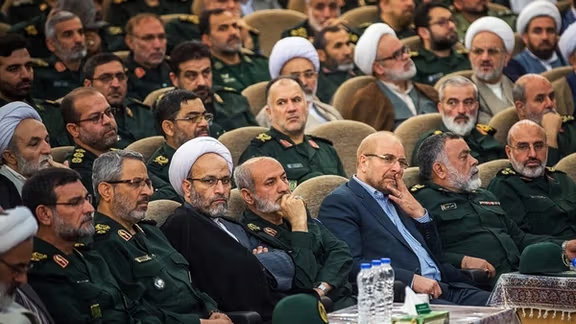
Key event: reports that Iran’s Parliament Speaker Mohammad-Bagher Ghalibaf could be a 'pragmatic partner' engaging with the Trump administration have sparked intense domestic backlash, denials from IRGC-linked media, and accusations of psychological operations. Iranian officials acknowledge indirect communications via intermediaries (Egypt, Turkey, Pakistan) but insist core positions— including threats around the Strait of Hormuz and demands for reparations—remain unchanged; potential talks reportedly could occur in Pakistan or Turkey involving U.S. figures, raising the risk of heightened rhetoric and energy-market volatility.
The rumor-driven political fracture functions as a volatility amplifier rather than a binary escalation trigger: markets pay a premium for headline-driven spikes in Gulf risk (oil, freight, war insurance) that typically last days-to-weeks, while policy shifts that require internal consensus take months. Expect acute moves in maritime insurance spreads and tanker dayrates within 48-72 hours of new allegations or retaliatory actions, with persistence dependent on whether intermediated diplomacy yields publicly verifiable steps (exchange of envoys, confirmed meeting locations).
Second-order winners are companies that monetize transitory risk—tankers (storage/arbitrage), war-risk insurers/reinsurers, and short-dated defense contractors—because they capture higher rates or option-like upside without needing structural change in Middle East exports. Losers include regional logistics integrators and refiners with tight crack spreads that cannot flexibly reroute crude; a 5–10 day route diversion can shave multiples of $0.50-$2.00/bbl in refinery margins across Asia/Europe.
Tail risks remain asymmetric: a misattributed kinetic incident or targeted strike on energy infrastructure could force supply-side outages for weeks and push Brent-equivalent moves north of 20% in under a week. Catalysts that would materially reverse premium expansion are credible, named intermediaries and verifiable concessions within 7–30 days, or high-level engagement that converts rumor into managed deconfliction and reduces implied volatility across oil and CDS curves.
AI-powered research, real-time alerts, and portfolio analytics for institutional investors.
Request DemoOverall Sentiment
mildly negative
Sentiment Score
-0.35
