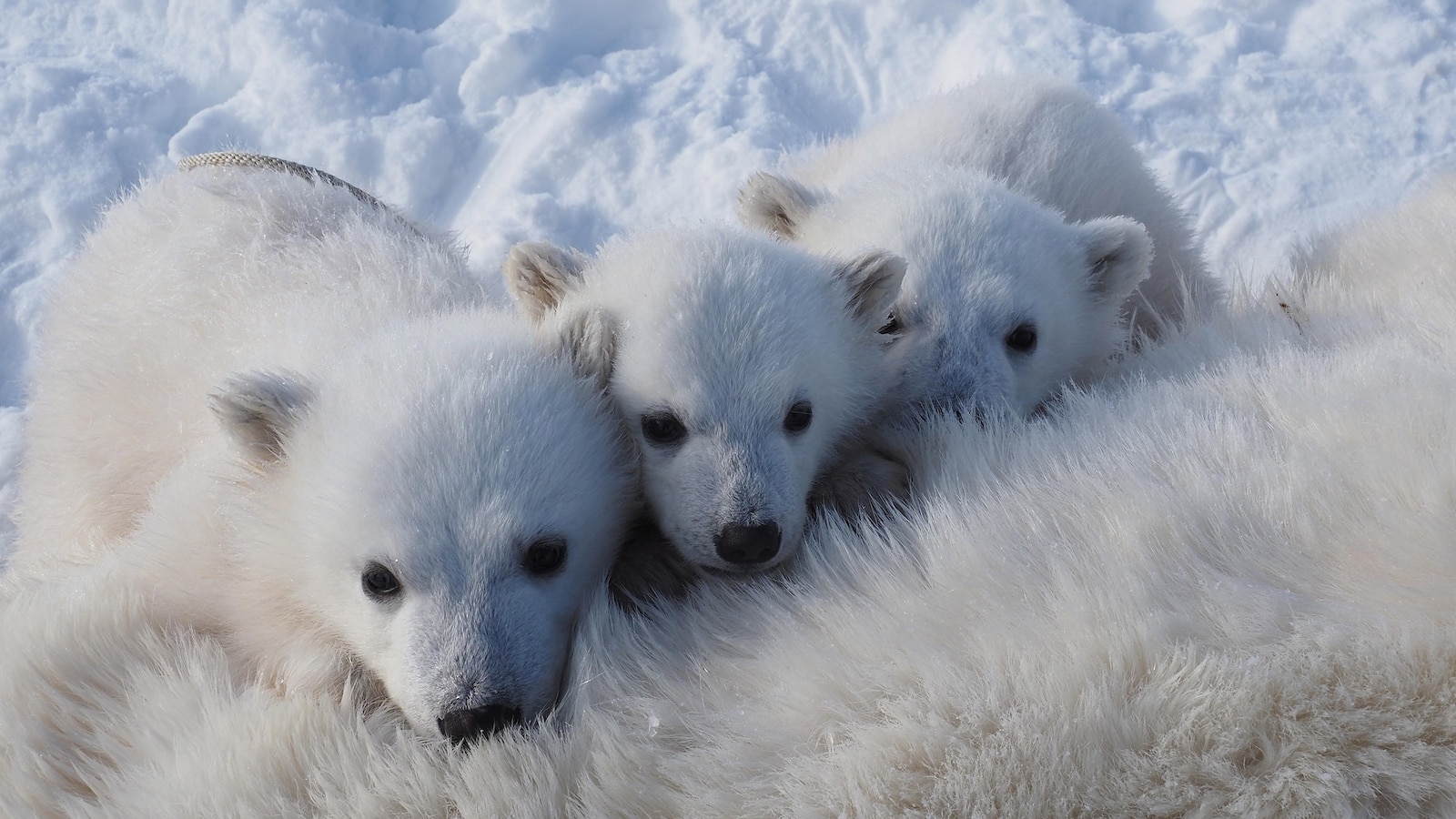
A study of 770 adult polar bears around Svalbard (1992–2019) finds body composition index (BCI) has increased since 2000 despite rapid regional warming (≈2°C per decade since 1980) and an increase in ice-free days of ~4 days per year; Arctic September sea ice is shrinking ~12.2% per decade. Researchers attribute improved condition to shifts toward accessible land- and nearshore prey (reindeer, walrus, concentrated ringed seals) and reduced competition, but caution further sea-ice loss could force longer travel to hunting grounds and harm the population.
Market structure: This finding points to idiosyncratic winners — local Arctic supply chains (Norwegian aquaculture, coastal fisheries, niche tourism, logistics) that can capture displaced marine biomass and seasonal visitors. Losers are conditional: some global ESG/“climate catastrophe” trades and insurers that priced uniform biodiversity collapse may be overstated; commodity impacts are muted short-term but could re-route seafood supply and increase Arctic shipping corridor optionality over 3–10 years.
Risk assessment: Tail risks include a nonlinear sea‑ice collapse or a swift regulatory moratorium on Arctic extraction that would crater names exposed to Arctic operations (Equinor-style exposure) — low probability but >30% downside in affected names within 12 months. Hidden dependencies: fisheries upside depends on quota changes, habitat suitability and logistics; a 10–20% shift in species distribution can flip profitability. Key catalysts: September sea‑ice extent (watch week of post‑September release), Norway fisheries quota announcements (annual), and any EU/UN Arctic drilling ban proposals (0–24 months).
Trade implications: Prefer focused, small-capacity exposures to real economic beneficiaries (Norwegian aquaculture, coastal shipping) rather than broad “climate trade” long/shorts. Use options to cap downside around regulatory shocks and pair trades to isolate theme exposure (biology-driven supply vs. macro energy policy). Time horizons: tactical (weeks–months) for monitoring data releases; structural (12–36 months) for repositioning capital into supply-chain winners.
Contrarian angles: Consensus assumes uniform species collapse; evidence shows local adaptation and concentration effects can create temporary productivity pockets — markets may underprice this. Overdone bearish ESG narrative could create mispricings in select Norwegian seafood and logistics equities; conversely, any policy backlash (drilling bans) would be sudden and sharp. Historical parallel: northward fish migrations (e.g., Atlantic mackerel) created winners for entrants and losers for incumbents — expect similar reallocation dynamics.
AI-powered research, real-time alerts, and portfolio analytics for institutional investors.
Request DemoOverall Sentiment
mildly positive
Sentiment Score
0.05
