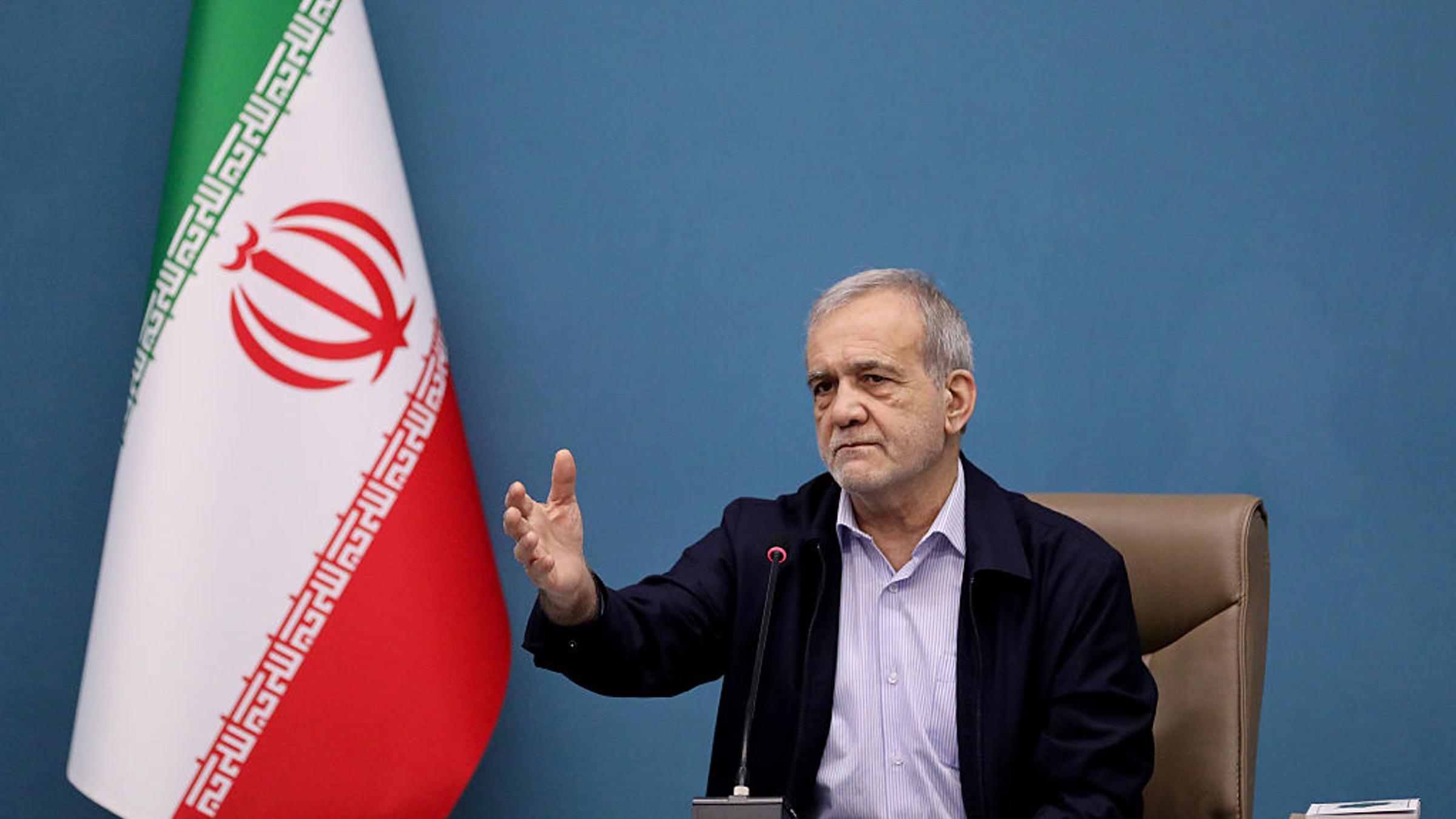
Iranian President Masoud Pezeshkian published an open letter to the American public denying Iranian aggression and accusing the U.S. and Israel of manufacturing a threat, released roughly one month after initial U.S./Israeli strikes that began the war. Expect risk-off market dynamics and elevated volatility across global assets—notably energy and defense sectors—and heightened U.S. political risk as President Trump readies a public update; polls indicate most Americans disapprove of the conflict.
The immediate market reaction is a classic risk-off pivot: safe-haven assets and defense exposure rerate higher while mobility and discretionary sectors face headwinds. Beyond the obvious defense winners, expect a durable reallocation of government capex — NATO and Gulf partners typically accelerate procurement cycles by 12–24 months after regional shocks, which favors suppliers of precision-guided munitions, radars, and sustainment services (higher margin, multi-year revenue visibility). Shipping and insurance costs for Persian Gulf routes can jump 10–25% within weeks of sustained harassment, creating a short-term supply-chain tax on European and Asian exporters of energy-intensive goods.
Secondary effects will show up in credit and FX: banks with Gulf connectivity see CDS widen and correspondent banking frictions rise, pressuring short-term FX liquidity in frontier/EM credit markets over the next 1–3 quarters. Sanctions and export-control tail risks raise the probability of targeted technology embargoes; that benefits domestic substitute suppliers in allied jurisdictions while accelerating onshoring discussions in semiconductor capital equipment and defense electronics. Politically, prolonged conflict compresses fiscal flexibility in democracies — expect added support for defense budgets at the margin and delayed green-infrastructure rollouts in budgets for 12–36 months.
Catalysts and reversals are concrete: headline de-escalation (ceasefire diplomacy, major-power mediation) or a meaningful SPR release/strategic oil diplomacy could normalize energy and risk sentiment within 30–90 days. Conversely, strikes on maritime chokepoints, major energy infrastructure, or widening of sanctions to include secondary-targeted buyers would sustain volatility and push markets further into risk-off. Monitor shipping insurance hull rates, GCC sovereign CDS, and multi-week shifts in US Treasury real yields as early indicators to scale positions.
AI-powered research, real-time alerts, and portfolio analytics for institutional investors.
Request DemoOverall Sentiment
strongly negative
Sentiment Score
-0.70
