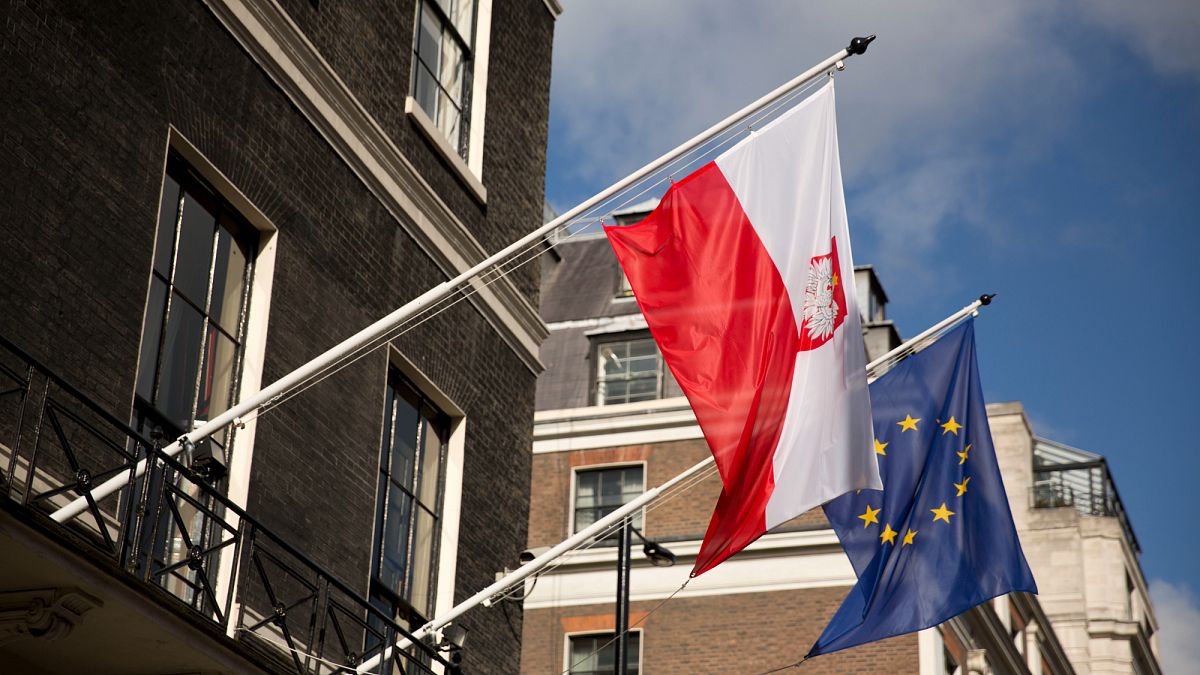
The European Commission has unveiled a €2 trillion budget proposal for 2028-2034, positioning Poland as its largest beneficiary, with substantial allocations for agriculture and less developed regions. However, the plan faces immediate political hurdles, including widespread farmer protests against Common Agricultural Policy reforms and significant dissatisfaction from MEPs over a lack of detailed information. This proposal, which also includes new EU taxes for funding, requires majority MEP and unanimous member state approval, indicating a complex path forward despite its stated aim to strengthen EU independence and address challenges.
The European Commission has proposed a €2 trillion budget for 2028-2034, which, if passed, would establish Poland as its largest net beneficiary. According to Polish Finance Minister Andrzej Domański and European Commissioner Piotr Serafin, Poland is set to receive substantial funding for cohesion, agriculture, and innovation, despite its recent strong economic growth. The proposal is framed as a strategic move to enhance EU independence, allocating €300 billion to agriculture and €218 billion to less developed regions. However, the budget faces significant political headwinds. It has triggered immediate protests from agricultural workers concerned about reforms to the Common Agricultural Policy (CAP). Furthermore, the proposal has drawn sharp criticism from EU lawmakers, including Committee on Budgets chair Johan Van Overtveldt, for a lack of transparency and detailed information provided by the Commission. The plan's funding structure, which includes contributions from new EU-level taxes, and its requirement for both a majority approval from MEPs and unanimous consent from all member states, create a highly uncertain and complex path to ratification.
AI-powered research, real-time alerts, and portfolio analytics for institutional investors.
Overall Sentiment
mixed
Sentiment Score
0.15
