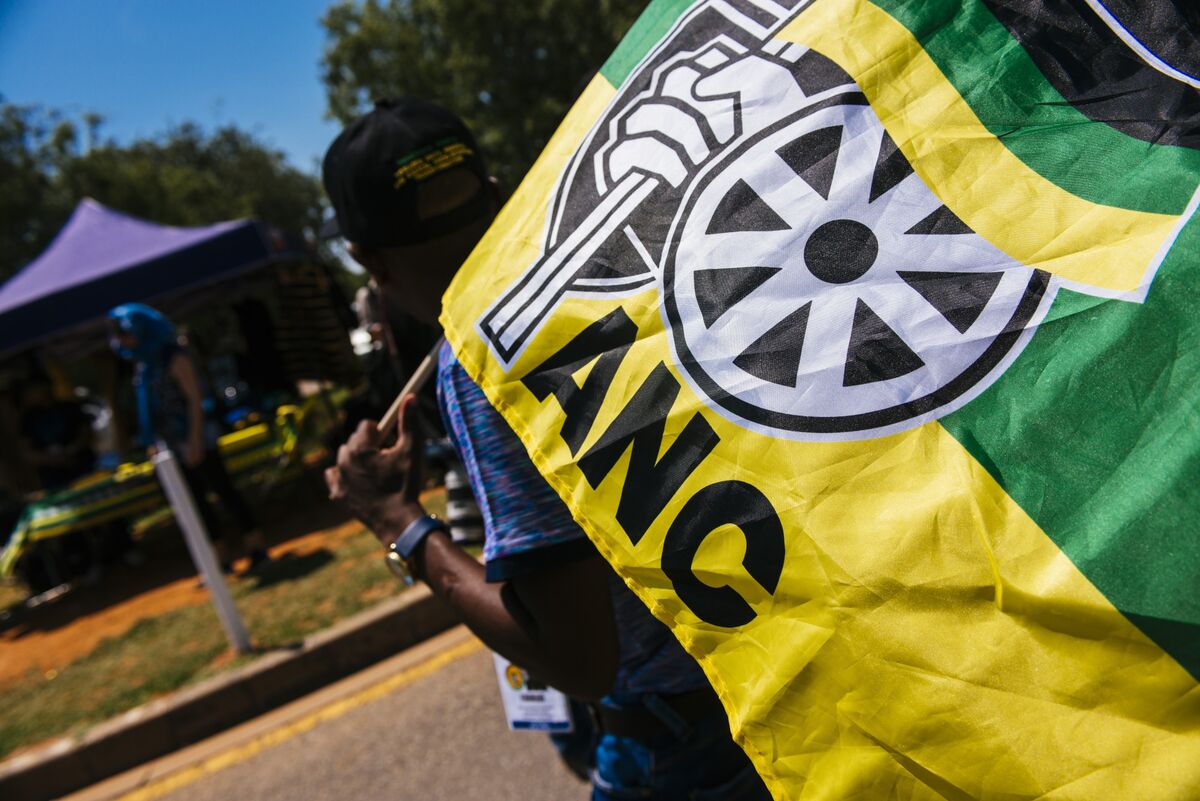
South Africa's ruling party has declared it will not yield to U.S. demands to alter its foreign policy, despite a proposed U.S. bill threatening sanctions and a review of bilateral relations. The legislation, citing Pretoria's perceived alignment with countries like China, Russia, and Iran, signals escalating geopolitical tensions that could lead to economic and diplomatic repercussions for South Africa and its officials.
A proposed US bill seeking a review of the bilateral relationship with South Africa introduces significant geopolitical and economic uncertainty. The draft legislation, initiated by Congressman Ronny Jackson, explicitly cites Pretoria's perceived foreign policy alignment with China, Russia, and Iran as a catalyst for re-evaluating ties and potentially sanctioning unidentified 'corrupt officials.' South Africa's largest political party has responded defiantly, stating it will not yield to US demands, thereby creating a direct confrontation. This standoff elevates the risk profile for South African assets, as the potential for sanctions or a broader deterioration in diplomatic and trade relations could have material negative consequences. The situation's high market impact score of 0.65 and strongly negative sentiment of -0.7 underscore investor concern, even while the ultimate outcome of the proposed legislation remains uncertain.
AI-powered research, real-time alerts, and portfolio analytics for institutional investors.
Request DemoOverall Sentiment
strongly negative
Sentiment Score
-0.70
