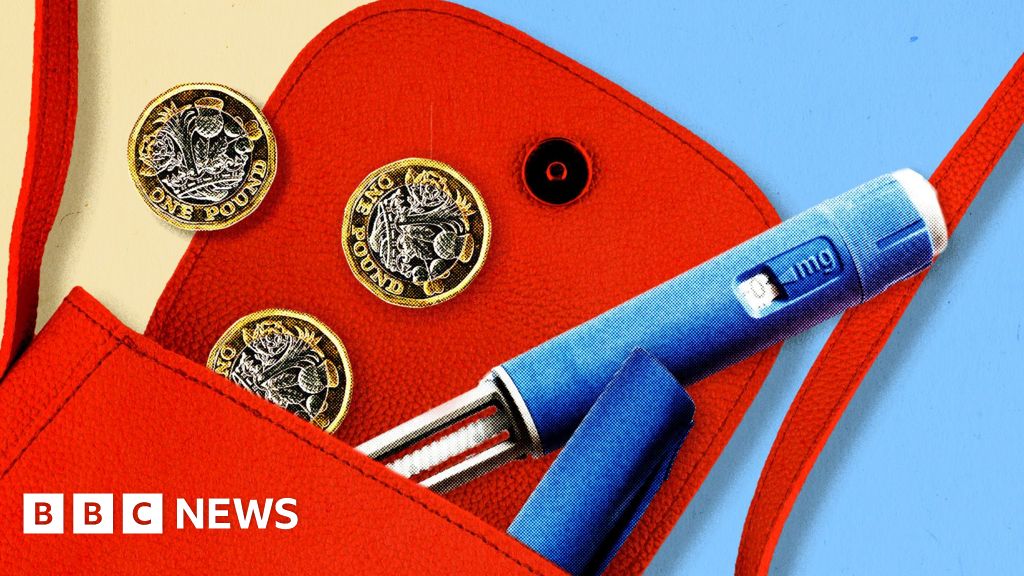
Uptake of GLP-1 weight-loss injections — estimated at about 1.6 million UK users in 2024 — is materially shifting consumer spending patterns: supermarkets (Co-op, Morrisons, M&S, Ocado) are launching nutrient-dense and smaller-portion products, restaurants and takeaways are seeing reduced frequency, and alcohol purchases among households with GLP-1 users fell by 15 percentage points in a Worldpanel study. Private treatment costs vary (users report around £186–£300+ per month), and ancillary demand is rising for fashion replacement, gyms and aesthetic procedures (an 8% rise in facelift demand in 2024), implying sectoral winners (fitness, certain retail categories, non-alcoholic beverages) and losers (casual dining, alcohol incumbents) that investors may want to monitor.
Market structure: GLP-1 adoption (≈1.6m UK users today, ~2–3% penetration) is shifting spend away from volume food/alcohol and toward nutrient-dense groceries, fashion replacement, beauty/fitness and elective procedures. Winners are specialty protein/snack SKUs, premium/responsive supermarkets (OCDO.L, MKS.L, Sainsbury’s/TSCO.L) and fast-growth secondhand/fashion platforms; losers are high-frequency casual dining, big-ticket takeaways and mass alcohol producers (short-term demand headwinds ≈10–20% less visits among users). Pricing power will bifurcate: supermarkets can extract higher ASPs for nutrient-dense SKUs while restaurants with fixed-cost footprints face margin pressure.
Risk assessment: Tail risks include regulatory pushback (NHS restriction or safety alerts) that could halve adoption within 6–12 months, or supply shocks raising private costs >50% and curbing repeat use. Immediate risks (days–weeks) are sentiment/news and quarterly retail data; medium (3–12 months) hinge on reimbursement/policy and supply; long-term (1–3 years) depends on cultural adoption and substitution rates. Hidden dependencies: discretionary spend reallocation could offset declines (e.g., spend moves from dining to fashion/fitness), masking revenue impact in aggregate retail sales.
Trade implications: Direct plays: overweight listed gyms/fitness (GYM.L) and online/fast-fashion/secondhand beneficiaries (ASC.L, BOO.L, EBAY) and select supermarkets (OCDO.L, MKS.L) on 3–12 month horizons; underweight casual dining/pubs (JDW.L, MAB.L) and large alcohol brewers (DGE.L) with 6–12 month view. Use pair trades (long ASC.L + short JDW.L) to capture rotation; consider 6–12 month call spreads on GYM.L and put spreads on JDW.L to control capital.
Contrarian angles: Consensus focuses on pharma winners (NVO/LLY) but underprices downstream retail reconfiguration and resale market tailwinds — secondhand clothing and niche cosmetics/ aesthetics providers may see 20–40% revenue velocity uplift locally. The market may overreact to short-term dine-out metrics; restaurants that successfully reprice smaller-portion, premium-margin menus can recoup revenue within 2–4 quarters. Monitor NICE/NHS policy, pharma supply notices and monthly grocery/alcohol volume data as high-signal catalysts.
AI-powered research, real-time alerts, and portfolio analytics for institutional investors.
Request DemoOverall Sentiment
neutral
Sentiment Score
0.12
