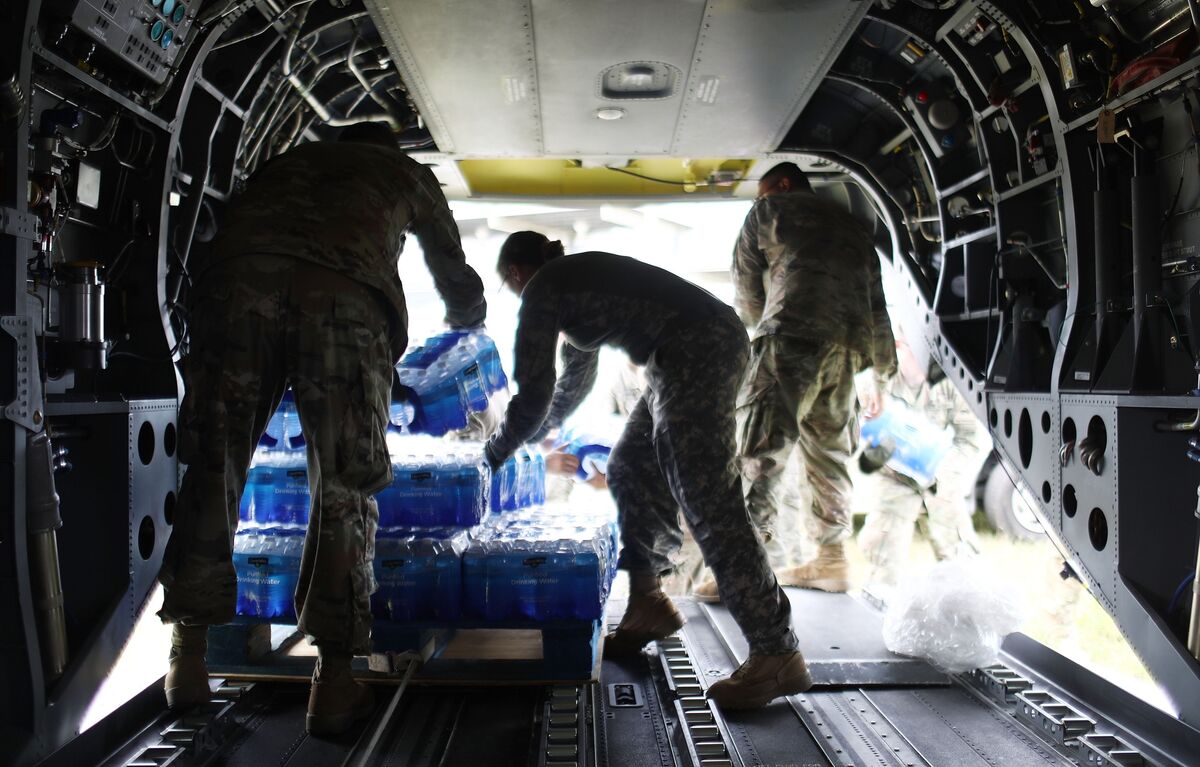
As the Atlantic hurricane season is predicted to be more active than usual, FEMA faces challenges due to significant cuts to its disaster programs under President Trump, including staff departures, grant freezes, and canceled initiatives. The agency also lacks a permanent administrator, relying instead on interim chiefs with limited disaster response experience. This situation raises concerns about FEMA's capacity to effectively respond to and recover from potential hurricanes during what is expected to be a busy season.
The upcoming Atlantic hurricane season, which commenced on June 1 and is forecast to be unusually active, presents a considerable challenge to the Federal Emergency Management Agency (FEMA) following significant operational changes under President Donald Trump's administration. FEMA has experienced substantial upheaval, including drastic cuts to its disaster programs, numerous firings and voluntary staff departures, freezes on essential grants, and the cancellation of previously planned initiatives. Furthermore, the agency is operating without a nominated full-term administrator, relying instead on a succession of interim chiefs who possess limited experience in disaster response. This confluence of reduced programmatic funding, loss of experienced personnel, and unstable leadership raises significant concerns regarding FEMA's preparedness and capacity to effectively manage response and recovery operations during what is anticipated to be a demanding hurricane season, potentially heightening the impact of natural disasters on affected communities and economies.
AI-powered research, real-time alerts, and portfolio analytics for institutional investors.
Request DemoOverall Sentiment
strongly negative
Sentiment Score
-0.75
