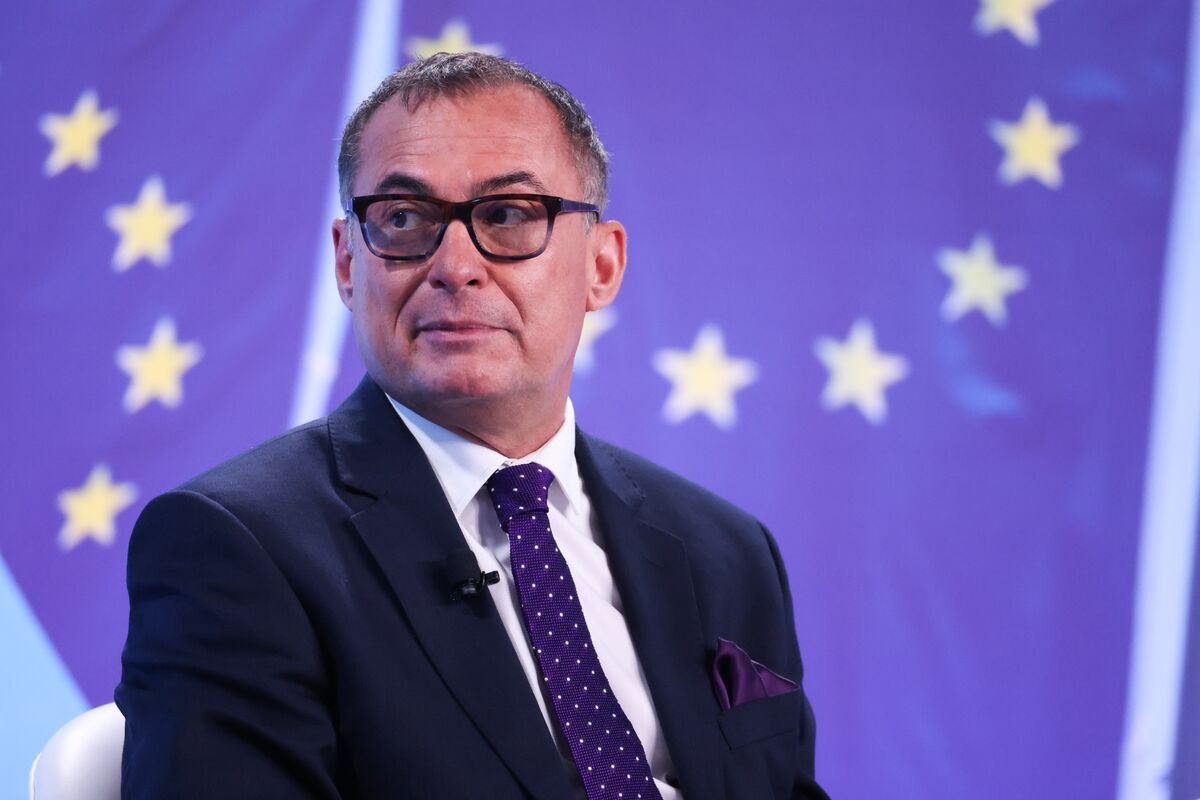
Bundesbank President Joachim Nagel attributes Germany's stronger-than-expected 0.4% GDP growth in the first quarter to businesses frontloading exports in anticipation of US tariffs. Nagel anticipates a subsequent economic slowdown throughout the remainder of the year as the impact of the tariff policy takes effect.
Germany's first-quarter GDP growth of 0.4%, which surpassed initial expectations, is attributed by Bundesbank President Joachim Nagel primarily to a temporary surge in activity driven by businesses and exporters frontloading shipments in anticipation of US tariffs. This suggests the stronger-than-expected performance does not reflect underlying economic resilience but rather a distortionary effect stemming from trade policy uncertainties. Consequently, Nagel projects an economic weakening for Germany throughout the remainder of the year, as the cautionary impacts of implemented tariff policies are expected to materialize and suppress economic activity. This outlook, characterized by a cautious tone and mildly negative sentiment, underscores the significant influence of international trade disputes on national economic trajectories, particularly for export-oriented economies like Germany.
AI-powered research, real-time alerts, and portfolio analytics for institutional investors.
Request DemoOverall Sentiment
mildly negative
Sentiment Score
-0.35
