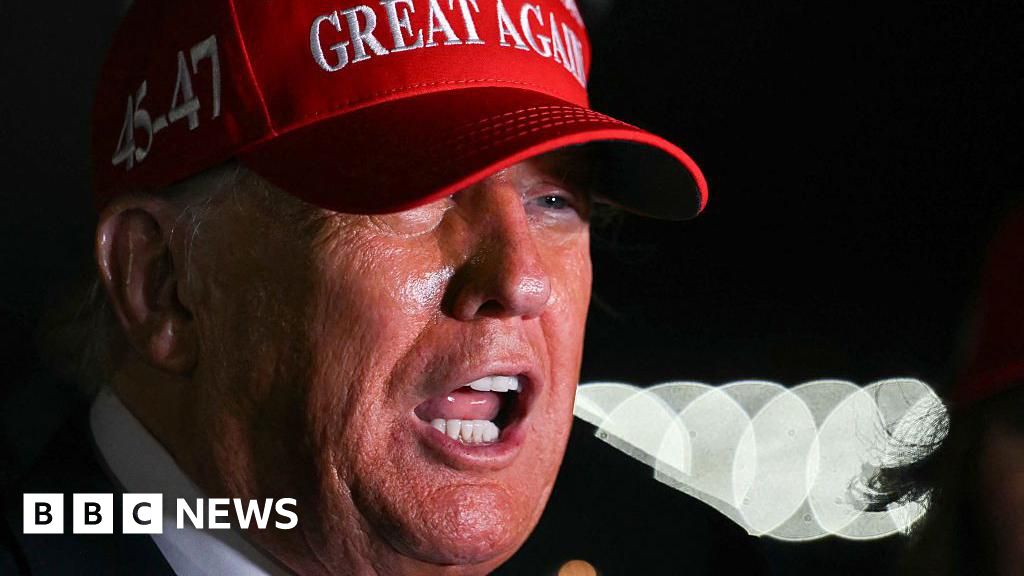
President Trump announced the US will begin sending letters outlining new, higher tariff rates, ranging from 10-20% to 60-70% and effective August 1st, to various countries. This action, which includes rates exceeding prior indications and precedes a July 9th negotiation deadline, signals an escalation in trade protectionism, likely increasing costs for US importers and consumers while aiming to bolster domestic manufacturing and government revenue.
The US administration is signaling a significant escalation in trade protectionism, with plans to issue new tariff letters effective August 1st. The proposed tariff rates, ranging from 10% to as high as 70%, represent a material increase from the previously communicated 50% maximum, introducing substantial uncertainty into global trade dynamics ahead of the July 9th negotiation deadline. The lack of specificity regarding targeted countries and goods amplifies market risk, reflected in the high market impact score of 0.7. The policy's direct impact varies by region, as indicated by per-ticker sentiment. The European Union (IEUR sentiment: -0.7) and Japan (EWJ sentiment: -0.6) face heightened risk, as the new tariff ceiling far exceeds previously threatened rates of 50% and 35% respectively. In contrast, the United Kingdom (EWU sentiment: +0.4) appears relatively insulated due to a partial trade agreement, although steel remains an unresolved issue. The neutral sentiment for China (FXI sentiment: 0.0) suggests markets may view the current US-China tariff structure as a stable baseline for now, following a period of negotiation that reduced initial reciprocal tariffs significantly.
AI-powered research, real-time alerts, and portfolio analytics for institutional investors.
Overall Sentiment
moderately negative
Sentiment Score
-0.50
Ticker Sentiment
