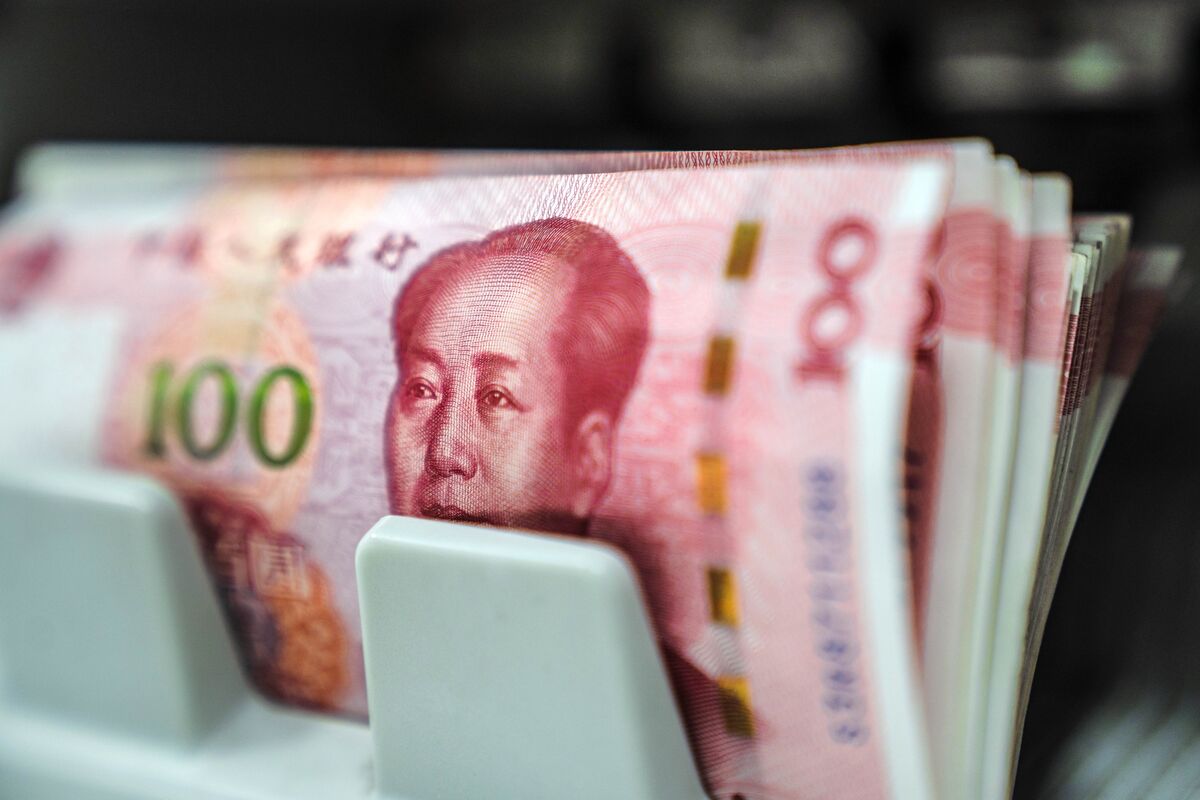
A growing number of international borrowers, including Hungary for infrastructure, Kazakhstan's state oil producer for a debut bond, and Kenya for debt conversion, are increasingly opting for yuan-denominated financing. This shift is driven by the availability of cheaper yuan funding, signaling a notable expansion of the currency's global reach and offering an alternative funding source for emerging economies.
A clear trend is emerging where international borrowers, particularly from emerging economies, are increasingly accessing yuan-denominated financing, driven by its relative affordability. This is not a monolithic trend, as demonstrated by the diverse use cases: Hungary is securing funding for strategic railway infrastructure, Kazakhstan's state-owned oil producer is planning its debut yuan bond, and Kenya is exploring the conversion of existing dollar debt into yuan-based loans to extend repayment timelines. These actions collectively signal a tangible expansion of the renminbi's role in global finance, evolving beyond trade settlement to become a significant source of capital for sovereign projects, corporate fundraising, and sophisticated debt management. This shift provides these nations with a new, alternative funding channel, diversifying their financing options away from traditional capital markets.
AI-powered research, real-time alerts, and portfolio analytics for institutional investors.
Request DemoOverall Sentiment
moderately positive
Sentiment Score
0.50
