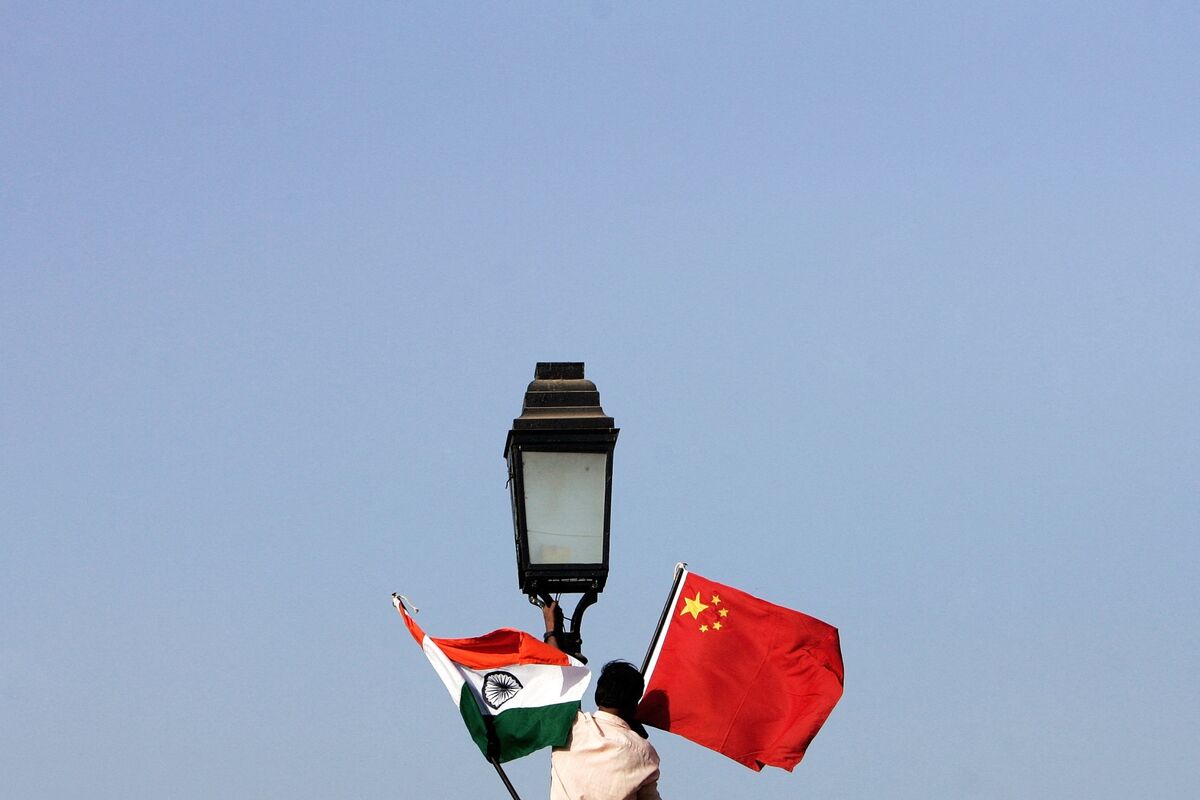
China's ambassador to India, Xu Feihong, expressed China's firm opposition to US tariffs on Indian exports, offering solidarity with India and advocating for the multilateral trading system centered on the WTO. This stance marks a significant warming of ties between the two Asian rivals, potentially forming a united front against US trade protectionism and reinforcing global multilateral trade frameworks.
A statement from China's ambassador to India, Xu Feihong, signals a significant geopolitical development, with China expressing firm solidarity with India against US trade policies. Specifically referencing US tariffs of up to 50% on Indian exports, China's declaration to "firmly stand with India" represents a notable warming of ties between the two Asian economic rivals. This alignment is framed around a shared commitment to upholding the multilateral trading system with the World Trade Organization at its core, directly challenging the unilateral tariff measures imposed by the United States. The moderately positive sentiment and moderate market impact scores suggest that while this is a constructive diplomatic overture, its immediate market effects are limited pending more concrete policy actions. The event's primary significance lies in its potential to create a unified front against US protectionism, potentially altering regional trade dynamics and supply chain considerations for multinational corporations.
AI-powered research, real-time alerts, and portfolio analytics for institutional investors.
Request DemoOverall Sentiment
moderately positive
Sentiment Score
0.40
