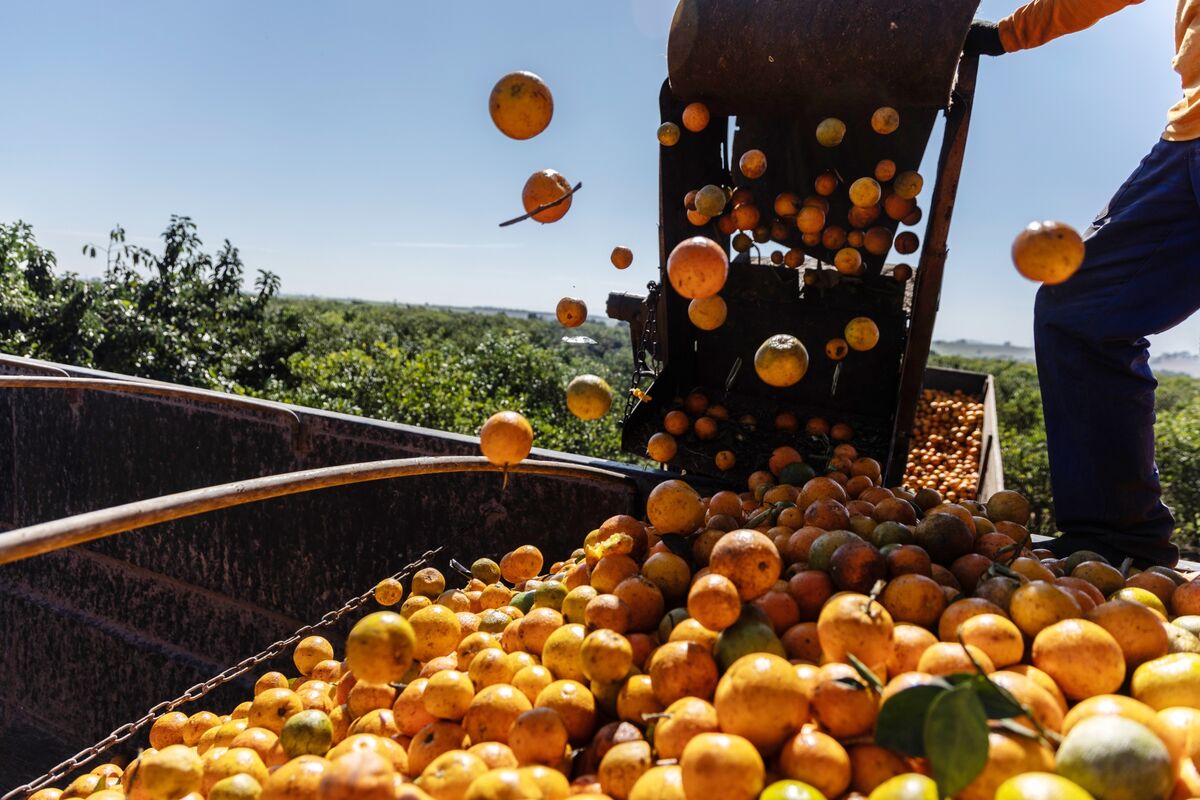
Orange juice futures surged to a two-week high, with the most-active contract climbing 2.4% to $2.559 a pound, driven by growing concerns over the spread of greening disease which is threatening production in Brazil, the world's largest orange juice exporter. This price increase reflects supply-side pressures impacting the global commodity market.
Orange juice futures are demonstrating significant upward momentum, reaching a near two-week high driven by a fundamental supply-side threat. The most-active contract saw an intraday spike of 2.4% to $2.559 per pound, its highest level since August 28th. This price action is a direct market reaction to the spread of greening disease within Brazil, the world's largest orange juice exporter. The market is pricing in the potential for a material reduction in future crop yields, tightening global supply. Although prices pared some of the initial gains, the event underscores the commodity's sensitivity to production risks in key geographies, reflecting a speculative but rational response to a potential supply shock.
AI-powered research, real-time alerts, and portfolio analytics for institutional investors.
Request DemoOverall Sentiment
mixed
Sentiment Score
0.00
