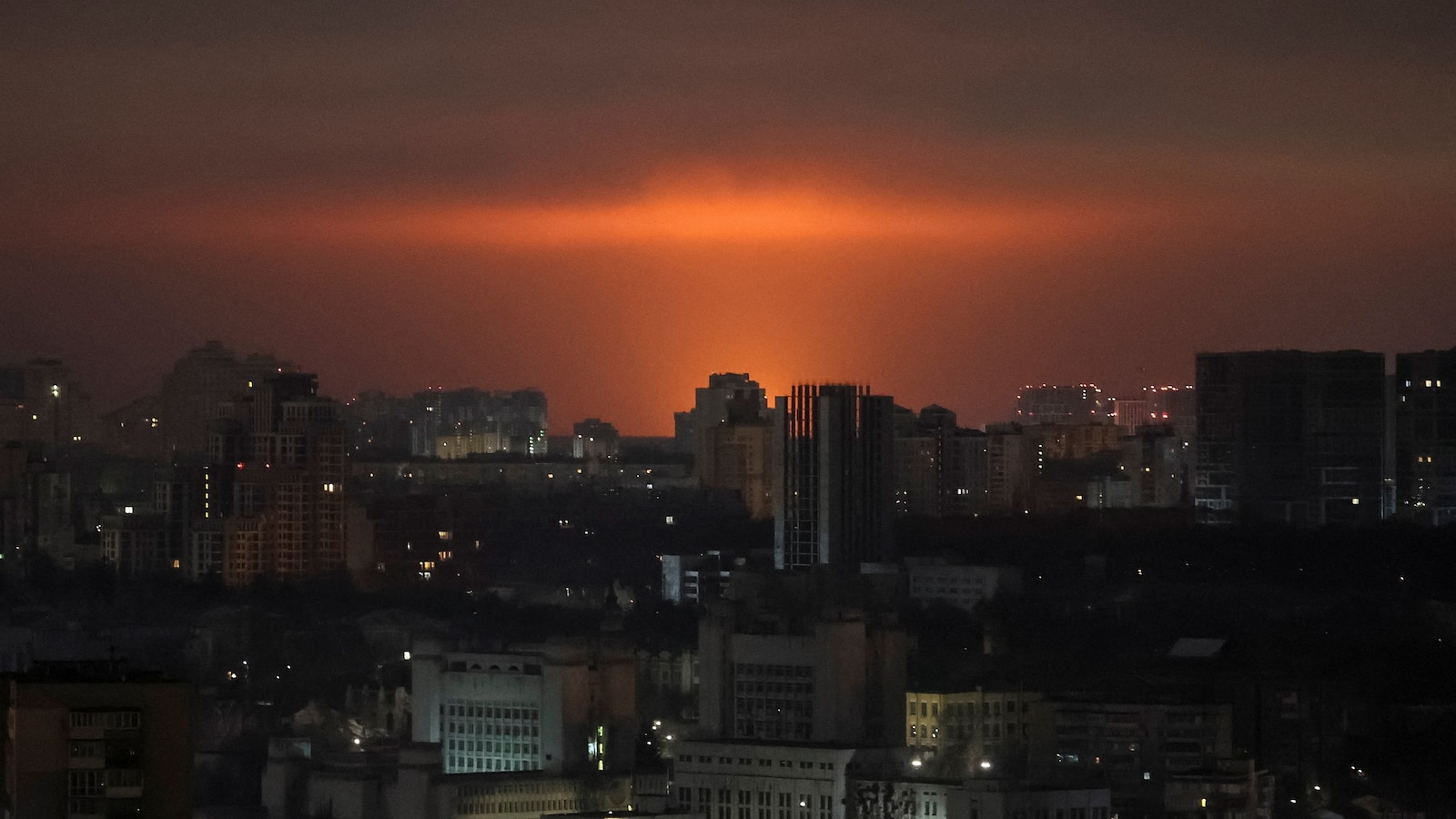
Russia carried out an overnight strike of 704 air attack weapons (653 drones and 51 missiles, including 17 ballistic missiles), the largest overnight bombardment since Oct. 29; Ukraine reports shooting down 585 drones and 30 missiles but sustained impacts across 29 locations with damage to residential buildings, railways and energy infrastructure. Zaporizhzhia nuclear plant briefly lost all off‑site power and Odesa reported outages affecting ~9,500 heating customers and 34,000 without water; at least several injuries were reported across regions. NATO scrambled fighters and placed allied air‑defenses on alert in Poland, with Spanish, Czech, German and Dutch systems involved — an escalation that raises near‑term energy price and defense‑sector risk, and increases the likelihood of further sanctions and support measures.
Market structure: Immediate winners are aerospace & air‑defense OEMs and missile/radar subsystems (pricing power from urgent replenishment and multi‑year government orders); losers are regional infrastructure owners, European utilities and transport/logistics firms exposed to Ukraine/Black Sea routes. Expect defense orderbooks to lift bid multiples for LMT/RTX/NOC/ITA over 6–18 months while European power/utilities face margin pressure into winter; commodity shocks (NatGas, oil) tighten real economy growth prospects and raise inflation risk.
Risk assessment: Tail risks include NATO engagement or a major nuclear incident (low probability, catastrophic), a winter gas cutoff in Europe (medium probability) and broad secondary sanctions expanding to energy/finance (high impact). Immediate (days) -> volatility spike and safe‑haven flows; short term (weeks–months) -> higher gas/oil and defense spend; long term (quarters–years) -> re‑shoring of defense supply chains, persistent higher European energy infrastructure investment. Hidden dependencies: missile/drone production constrained by specialized semiconductors and metals; insurance/ship routing decisions can amplify supply shocks.
Trade implications: Position for a 3–12 month window: bias long defense/air‑defense and short regionally‑exposed European utilities/EM sovereign credit; use options to cap cost — expect a 10–30% upside re‑rating in core defense names if strikes remain >500 weapons/night. Reduce portfolio duration and add convex tail hedges (VIX/OTM index puts) for 1–3 month insurance while layering commodity exposure to NatGas for winter upside.
Contrarian angles: The market may overpay for headline “defense” broadly; prefer specialized air‑defense/missile subsystem suppliers over large primes if valuations >15% richer than pre‑strike means. Historical parallels (post‑2014) show multi‑year defense spend persistence — but also cyclical overshoots; if Russia’s heavy barrages become frequent (>3 events/month over 2 months) reposition from short‑dated hedges to 6–24 month structural plays in grid hardening and fuels.
AI-powered research, real-time alerts, and portfolio analytics for institutional investors.
Request DemoOverall Sentiment
strongly negative
Sentiment Score
-0.60
