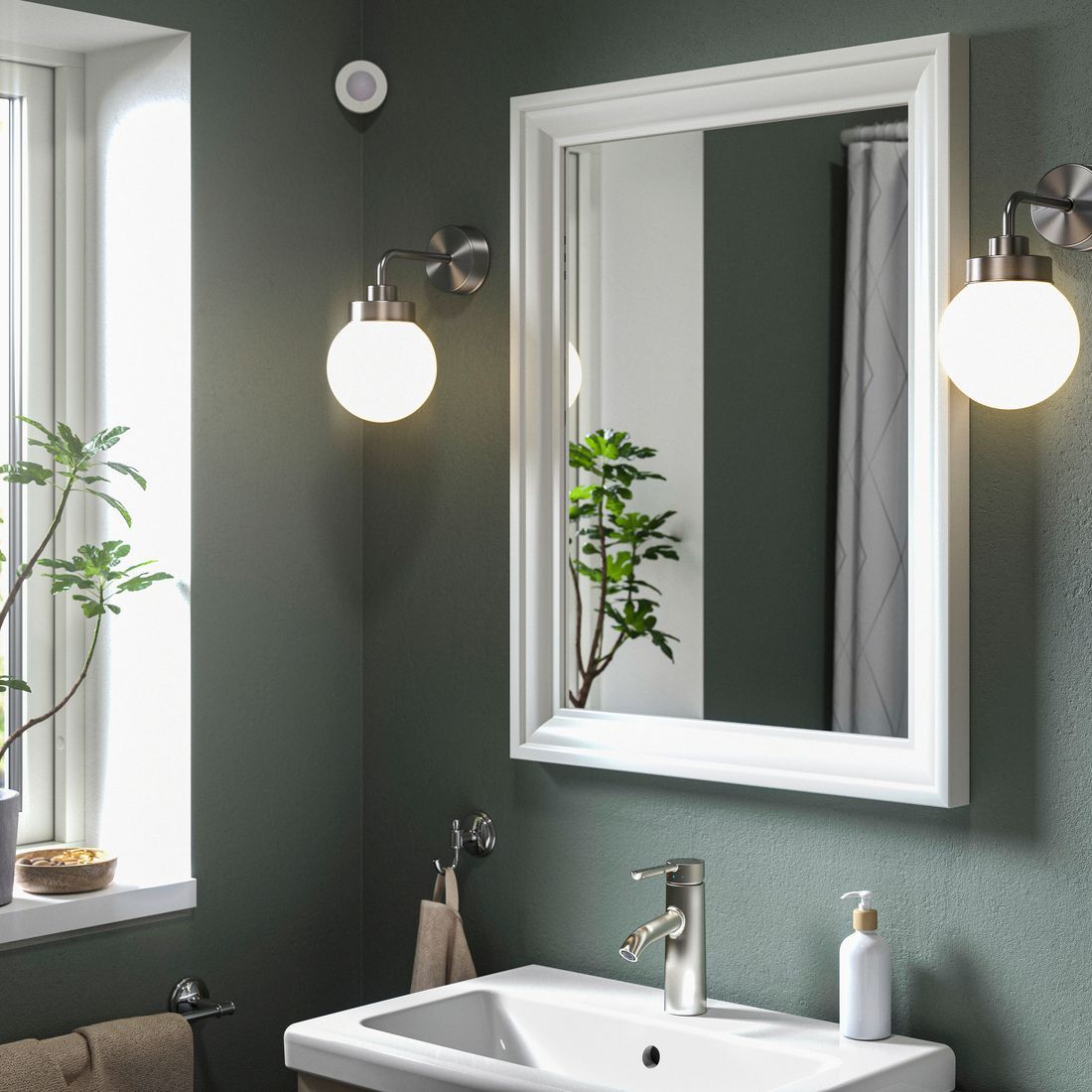
IKEA has rolled out a 21-product smart-home range including sensors for temperature, humidity, security and air quality plus smart lighting and remotes, highlighted by a low-cost ALPSTUGA indoor air quality monitor. All devices are Matter-compatible for integration with Alexa, Google Home and Apple HomeKit, signaling IKEA is leveraging design and aggressive pricing to enter the mass-market smart-home segment; early reviews note some connectivity issues. The launch underscores potential competitive pressure on higher-priced incumbents but includes no sales, revenue or margin disclosure and is unlikely to move financials in the near term.
Market structure: IKEA’s move expands low‑price, design‑forward Matter‑compatible endpoints, likely grabbing ~1–3% incremental global smart‑sensor unit share within 12–24 months and compressing ASPs for boutique sensor makers. Big platform owners (AMZN, GOOGL, AAPL) are net beneficiaries as device attach raises voice/assistant activity and MAU monetization, but hardware margin pools shift to large retailers with scale.
Risk assessment: Near term (days–weeks) the market reaction will be muted; expect measurable sales momentum in IKEA’s next two major retail cycles (holiday 2026 and Q1 2027). Tail risks: EU privacy/regulatory action or a Matter fragmentation/interop failure could erase adoption gains; supply shocks (sensor MCU shortages) could spike component prices for 3–6 months.
Trade implications: Favor large-platform exposure via options/call spreads into the 6–9 month window (capture holiday cycle), and underweight/sell small-cap pure‑play smart‑home hardware names that lack distribution. Consider pair trades that long Alphabet/Amazon (platform monetization) and short niche hardware (high unit‑volume risk) with rebalancing around quarterly retail sales and holiday sell‑through data.
Contrarian angles: Consensus underestimates distribution power: IKEA could accelerate commoditization, not platform lock‑in—this benefits platform data monetization more than standalone hardware makers. The market may be underpricing a 1–3% incremental ARPU lift for Alexa/Assistant searches over 12–24 months; conversely, hardware incumbents face faster consolidation than currently modeled.
AI-powered research, real-time alerts, and portfolio analytics for institutional investors.
Request DemoOverall Sentiment
mildly positive
Sentiment Score
0.35
Ticker Sentiment
