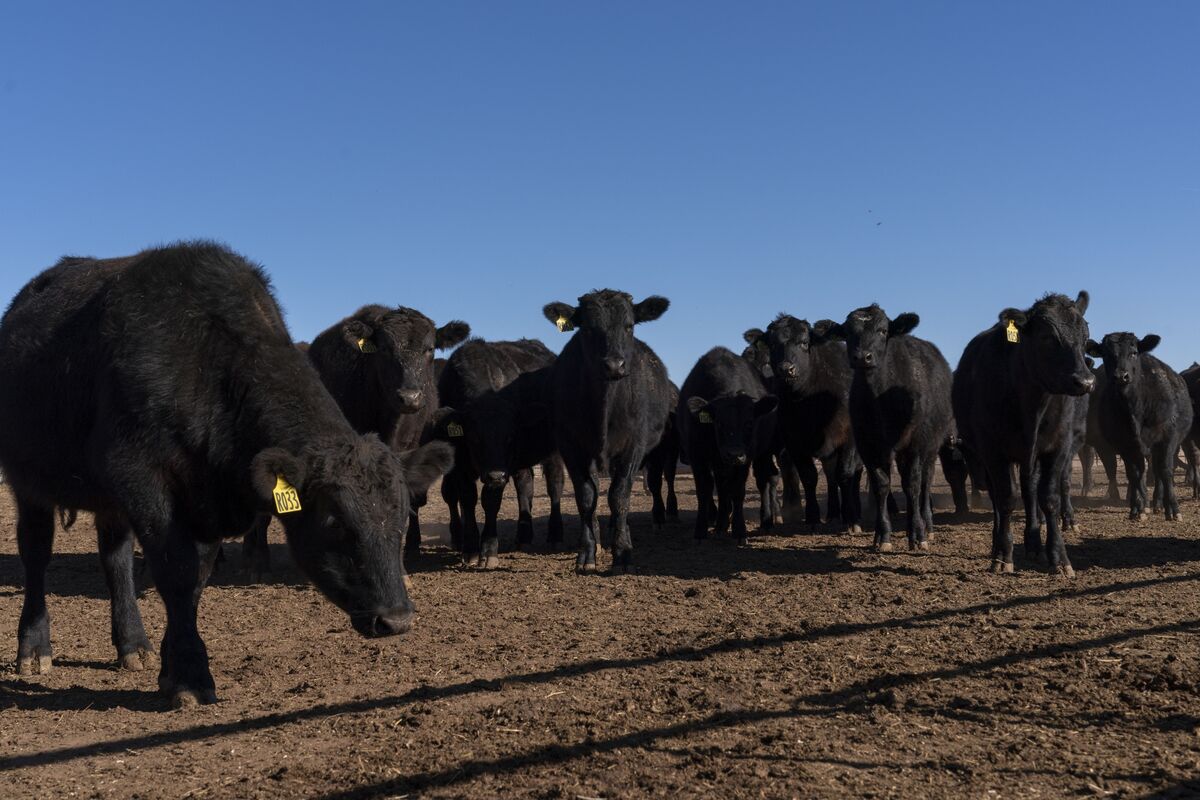
U.S. beef supplies are tightening as grilling season commences, with USDA reports indicating declines in both cattle in feedlots and beef in cold storage. Feedlot cattle numbers have fallen to their lowest seasonal level since 2020, while beef reserves in cold storage reached 418 million pounds in April, the lowest for this period since 2014, suggesting potential price increases amid strong seasonal demand.
U.S. beef supplies are contracting significantly as the nation enters the peak demand period of grilling season, signaled by the Memorial Day holiday. Recent U.S. Department of Agriculture reports highlight a troubling trend for the sector, indicating that any recovery is distant. Specifically, the number of cattle in U.S. feedlots has dropped to its lowest seasonal level since 2020. Concurrently, beef reserves in cold storage plummeted to approximately 418 million pounds in April, marking the lowest level for this specific month since 2014. This confluence of shrinking live cattle inventory and depleted stored beef suggests a tightening supply landscape, which typically exerts upward pressure on prices, especially when juxtaposed with seasonally strong consumer demand. The data points to a structural supply issue rather than a transient fluctuation, underpinning a pessimistic outlook for beef availability in the near term.
AI-powered research, real-time alerts, and portfolio analytics for institutional investors.
Request DemoOverall Sentiment
strongly negative
Sentiment Score
-0.60
