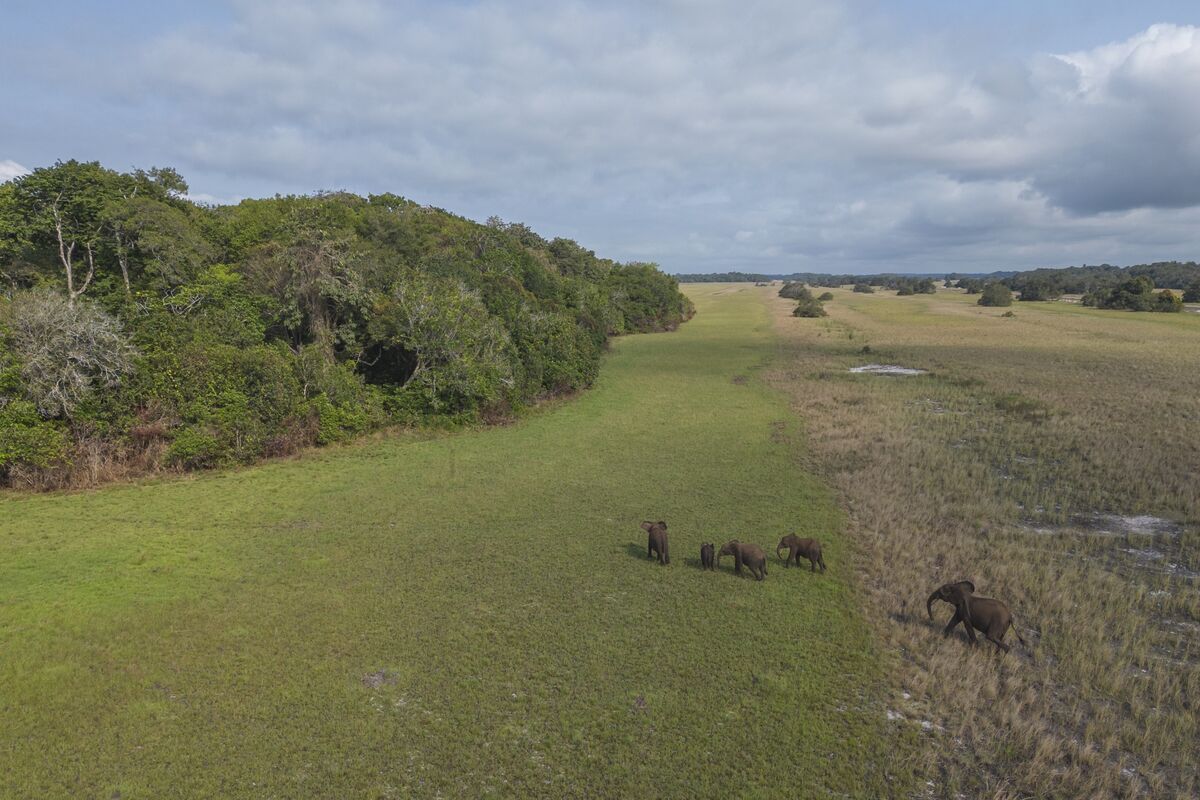
Gabon is mobilizing $200 million, including backing from the Bezos Earth Fund, to protect at least 30% of its terrestrial, freshwater and marine ecosystems by 2030. The effort targets conservation in the Congo Basin—which contains roughly 60% of remaining critically endangered forest elephants per the UNDP—and represents a meaningful green finance push into an emerging-market jurisdiction, with limited near-term market impact but positive ESG signaling.
This mobilization accelerates formation of a biodiversity-finance ecosystem where boutique managers, MRV/satellite analytics providers, and buyers of high-integrity biodiversity credits are the primary beneficiaries. Expect transaction fees and recurring SaaS revenue to reprice higher over a 12–36 month window as standardized protocols and vintage-based pricing emerge; that creates durable cash flows for data/verification vendors and fund managers rather than extractive operators.
A key second-order dynamic is de-risking of blended-finance structures: concessional anchor capital (philanthropy + MDBs) compresses hurdle rates and attracts pension/insurance allocators into illiquid conservation strategies, but it also concentrates counterparty and reputational risk in a handful of implementers. If MRV standards remain immature, the market will bifurcate quickly into “high-integrity” premium credits and a lower-grade swamp that trades at deep discounts — timeline for divergence is 6–24 months around first certified issuance.
Tail risks are governance reversal, unclear property-rights enforcement, and commoditized “greenwashing” credits that fail scrutiny; these can blow up valuations within quarters and trigger rapid reversals in appetite for emerging-market conservation debt. Catalysts to monitor: first multilateral certification of biodiversity credits, initial co-investments from major MDBs or sovereign wealth funds (0–18 months), and any legal challenges to protected-area designations that would create immediate sovereign revenue shock.
Contrarian angle: the market may be underpricing the near-term supply shock to certain tropical commodities if protection constrains legal harvests — that creates an asymmetric trade where conservation success lifts prices for substitute suppliers. Conversely, the consensus overweights headline philanthropic dollars vs operational capacity; if execution falters, specialist credit issuers and verification SaaS vendors—not philanthropies—will be the primary losers.
AI-powered research, real-time alerts, and portfolio analytics for institutional investors.
Request DemoOverall Sentiment
mildly positive
Sentiment Score
0.25
