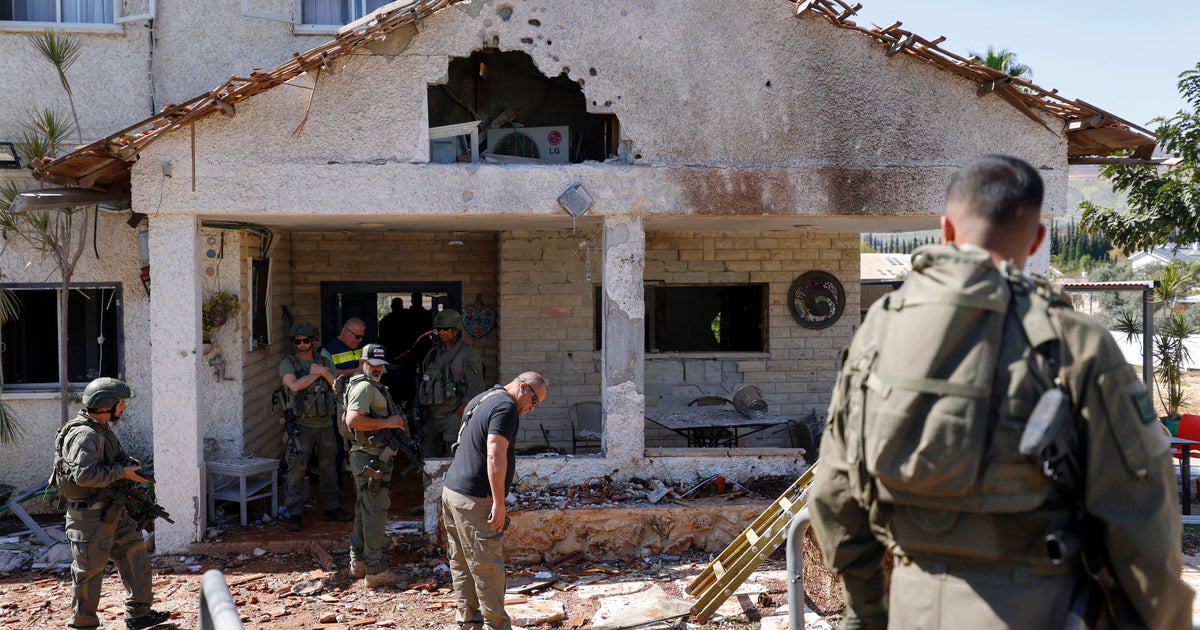
The U.S. State Department has urged Americans to ‘depart now’ from 14 Middle East countries amid widening conflict with Iran and Iranian proxies, citing serious safety risks and advising departure via available commercial transportation; more than one million Americans are believed to be in the region. Multiple U.S. embassies have closed or limited services after attacks (including a drone attack on the U.S. Embassy in Saudi Arabia), the U.S. and Israel have struck over 1,000 targets in Iran, and reported casualties include six U.S. troops killed and at least 787 dead in Iran, a dynamic that elevates regional risk, disrupts travel and logistics, and creates a pronounced risk-off environment for markets.
Market structure: Near-term winners are defense contractors (LMT, RTX, GD), integrated oil majors (XOM, CVX) and safe-haven assets (TLT, GLD); losers are airlines, travel/leisure OTAs (AAL, UAL, EXPE, BKNG), regional logistics and Middle East–exposed banks. Pricing power shifts to producers with spare capacity — a sustained disruption of Gulf transit could lift Brent $15–30/bbl within weeks, pressuring downstream margins and travel demand simultaneously. Cross-asset: expect USD and Treasuries to rally, VIX to spike >25, gold to outperform; correlation between oil and energy equities will tighten, while cyclicals de-rate.
Risk assessment: Tail risks include Strait of Hormuz closure (Brent +$30 within days), broader trade-route disruption (container rates +20–50% over 1–3 months), or rapid escalation drawing in state actors causing a full risk-off equity collapse (>10%). Immediate (0–7 days) effects: flight cancellations, embassy closures, volatility spikes; medium (1–3 months): supply-chain re-routing and insurance premium repricing; long-term: higher capex in defense/energy and shifts to alternative routing. Hidden dependencies: insurance/reinsurance capacity, SWIFT banking access, and OPEC+ political responses could amplify shocks.
Trade implications: Direct plays — 3–12 month longs in defense (LMT, RTX) and energy (XOM, CVX) and short/hedged positions in airlines/travel (AAL, EXPE). Use relative-value pairs (long XOM / short DAL) to capture oil-beneficiary vs travel loser spread. Options: buy 3–6 month call spreads on XOM/CVX and 30–90 day put spreads on AAL/EXPE to limit premium outlay while benefiting from volatility; size initial positions 1–5% NAV with stop/profit thresholds. Rotate from consumer discretionary and leisure into defense, energy, and select industrial beneficiaries.
Contrarian angles: Consensus likely overshoots downside in travel — past Gulf crises (1990–91, 2003) produced sharp oil spikes but reversion within 6–12 weeks; selective buys in travel names can be attractive after >30% drawdowns and normalization of oil. Also underappreciated: sustained oil shock accelerates renewable capex — consider selective long exposure to large-cap renewables (ENPH, FSLR) on 6–18 month horizon. Beware policy shifts (sanctions, export controls) that can reprice whole sectors rapidly.
AI-powered research, real-time alerts, and portfolio analytics for institutional investors.
Request TrialOverall Sentiment
strongly negative
Sentiment Score
-0.70
