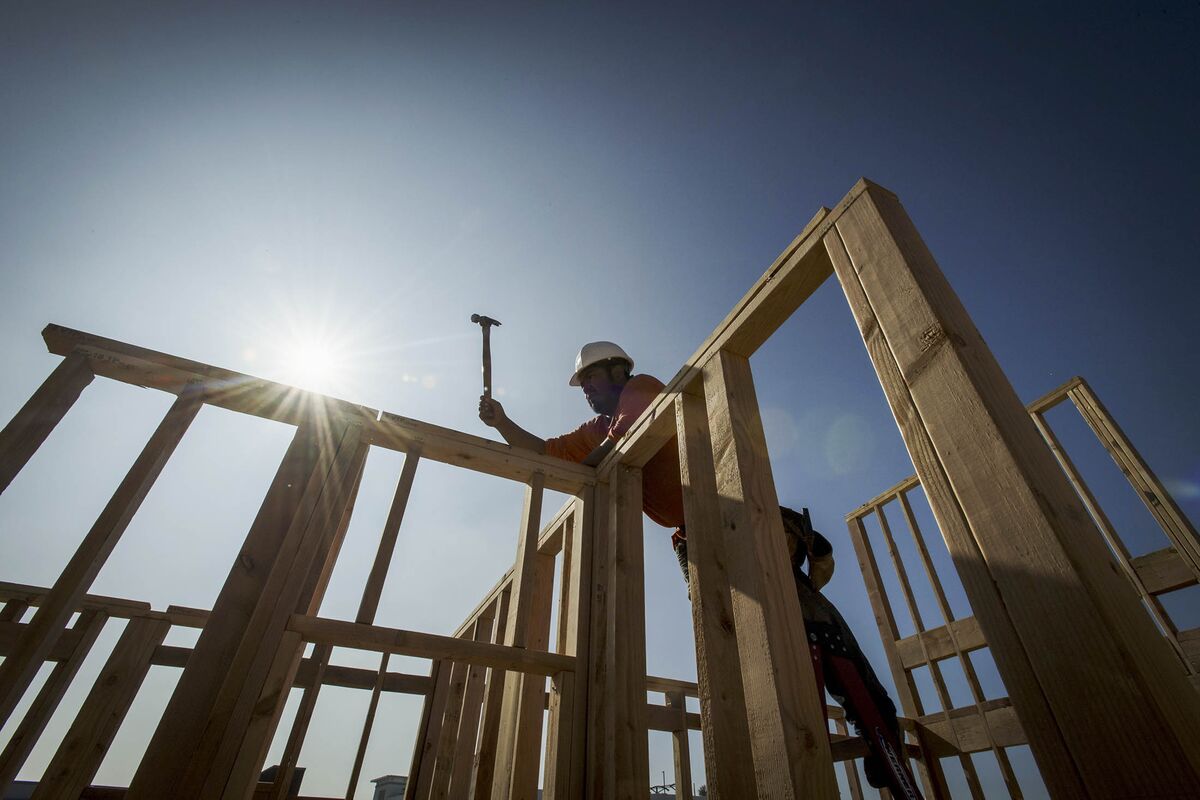
US homebuilders are facing another weak earnings season, with D.R. Horton, Lennar and KB Home all missing expectations last quarter. Estimates now point to further declines in both sales and earnings as Middle East conflict unsettles buyers and raises costs. The article signals worsening fundamentals for the sector and likely pressure on builder shares.
The key second-order effect is not just weaker demand, but a longer duration of margin compression. When buyers hesitate, builders lose pricing power first and then have to lean on incentives, which hits gross margin before volume fully reflects in the reported numbers; that creates a nasty earnings lag over the next 1-2 quarters. In a market already pricing in softer rates, geopolitics reintroducing uncertainty is especially damaging because it slows conversion on existing orders rather than merely suppressing new traffic. Competitive dynamics likely favor the largest, best-capitalized builders relative to smaller regionals, but even leaders like DHI and KBH are vulnerable if cancellation rates tick up and land/carry costs remain sticky. The more interesting knock-on is to suppliers and home-related retail: cabinets, flooring, and building products vendors typically see a delayed hit as builders push out starts, while mortgage-dependent adjacent names can weaken faster if confidence deteriorates. If conflict-related input cost pressure persists, the entire new-home affordability curve shifts against demand just as the spring selling season has already passed its best window. The contrarian view is that this may be a sentiment shock rather than a structural demand break. If rates ease or geopolitical risk fades over the next 30-60 days, pent-up demand can reappear quickly because household formation and housing undersupply remain supportive under the surface. That said, the near-term setup is still asymmetric to the downside because estimates are likely too high for incentive intensity, so the next revision cycle matters more than the current headline print. For trading, I would stay short DHI and KBH into any post-earnings bounce, with a 4-8 week horizon and tight risk controls around a sudden de-escalation in the Middle East or a dovish rate shock. A cleaner expression is short homebuilders versus long a rate-sensitive beneficiary like homebuilding materials with less earnings beta, but only if you can isolate margin pressure from volume exposure. Optionality is attractive here: buy put spreads on DHI or KBH into implied-volatility spikes before earnings, targeting a 2:1 to 3:1 payoff if guidance cuts extend into the next quarter.
AI-powered research, real-time alerts, and portfolio analytics for institutional investors.
Request DemoOverall Sentiment
strongly negative
Sentiment Score
-0.60
Ticker Sentiment
