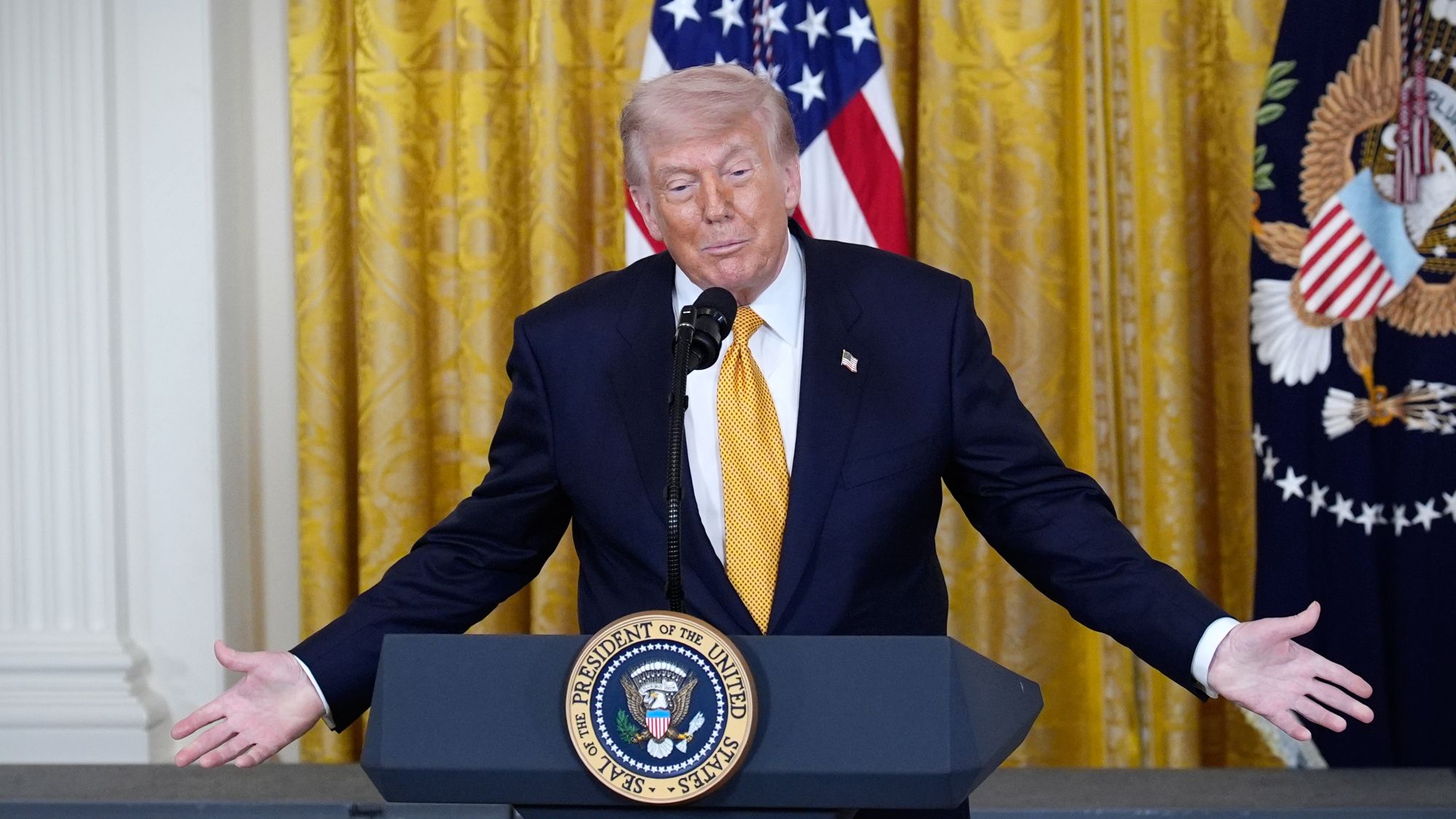
The U.S. and Iran are reportedly discussing a potential framework to end the Iran war, including a 30-day negotiation window for a fuller agreement. The reported memorandum could involve Iran pausing nuclear enrichment, the U.S. lifting sanctions and releasing frozen funds, and both sides easing Strait of Hormuz restrictions, but key details remain unresolved and officials gave conflicting accounts. Trump’s mixed messaging on social media and to reporters underscores the high geopolitical uncertainty and potential market sensitivity.
The market should treat this less as a binary peace headline and more as a volatility regime change. Even a partial de-escalation path reduces the near-term tail risk premium embedded across crude, shipping insurance, defense supply chains, and sanctions-sensitive sovereign credits; the immediate beneficiary is not just energy but any asset class where Iran conflict risk had been priced as a convexity hedge. The key second-order effect is that ambiguity itself can suppress risk-taking: until there is a clearly enforced sequencing of concessions, traders are likely to keep optionality bid and avoid committing to a durable risk-on view.
The biggest mispricing opportunity is in time horizon. In days, headline-driven reversals can be violent because both sides have incentives to posture; in months, if talks persist, the larger winner is likely non-U.S. logistics and industrial names that had been discounting higher Gulf transit risk and input-cost spikes. A deal that temporarily freezes enrichment while sanctions relief is staged would also pressure the “maximum pressure” trade: companies with exposure to discounted Iranian barrels, regional infrastructure build-out, and Gulf cross-border trade could rerate faster than the obvious defense names.
Consensus seems to be underweighting execution risk from Trump’s need for a visible win. That raises the probability of a short fuse: if negotiations stall, the response function can flip quickly into escalation, making front-end oil and defense stocks more sensitive to rhetoric than to fundamentals over the next 1-3 weeks. The contrarian read is that the market may overestimate the durability of any announcement and underestimate the upside in implied volatility across energy, shipping, and regional banks/airlines with Middle East exposure.
For NYT specifically, the story is mostly headline- and event-driven rather than fundamental. Any relief rally from lower war risk is likely to be short-lived unless it feeds into broader advertising or consumer sentiment improvements, so the stock is more of a macro volatility proxy than a direct winner here.
AI-powered research, real-time alerts, and portfolio analytics for institutional investors.
Request DemoOverall Sentiment
neutral
Sentiment Score
0.00
Ticker Sentiment
