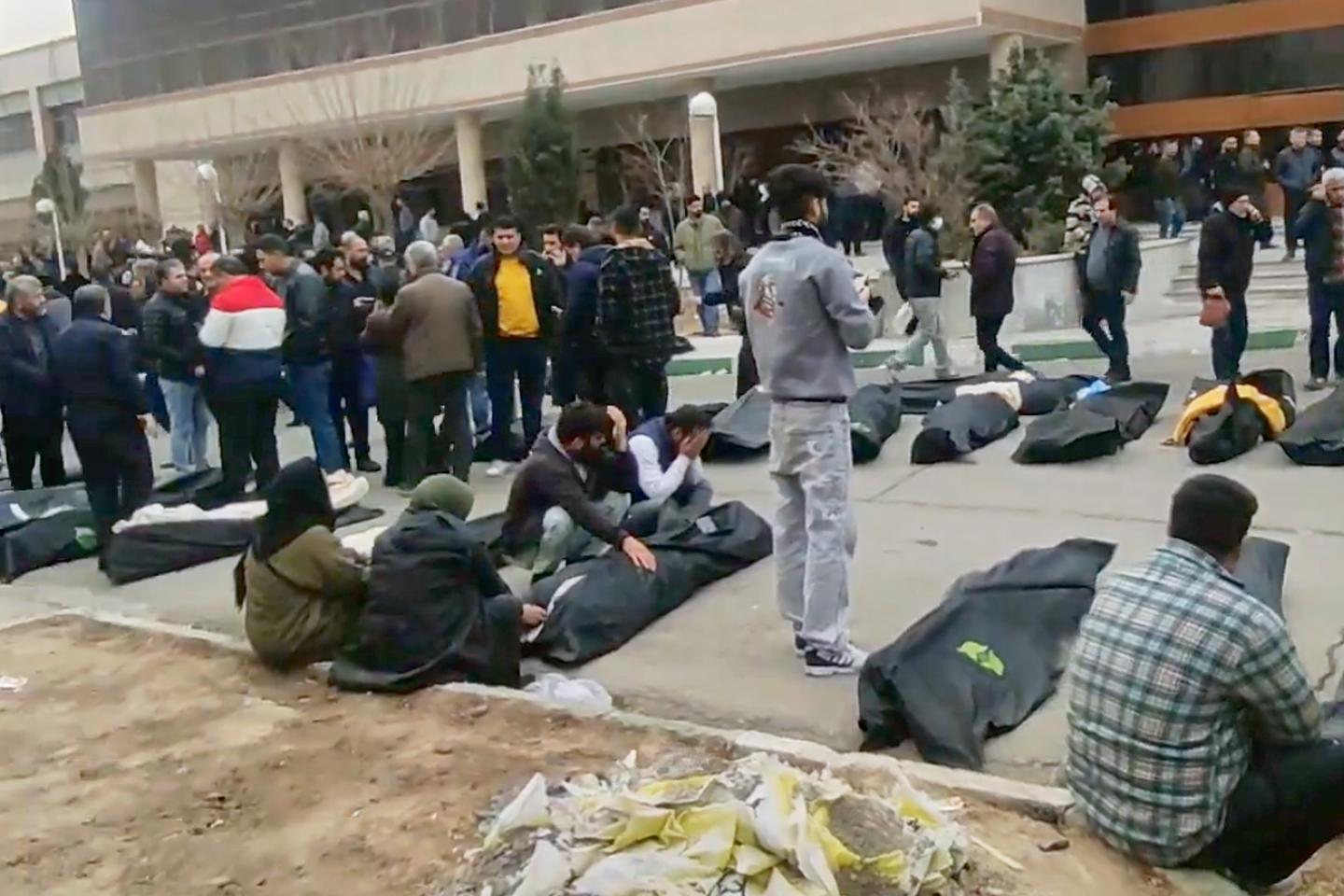
Iranian security forces have escalated repression of medical personnel treating protesters, with intelligence units reportedly demanding patient identities and at least 25 doctors and nurses detained. Human Rights Activists News Agency cites 6,305 confirmed protester deaths and 17,091 cases under review that could raise the toll above 23,000, signaling intensified domestic unrest that increases geopolitical risk and could reverberate through emerging-market exposures and regional commodity sentiment.
Market structure: Immediate winners are safe-haven assets (gold, USD), oil and regional defense suppliers; losers are Iran-exposed EM equities, Iranian banking/healthcare providers, and regional tourism/airlines. A security-driven risk premium can lift Brent/WTI by 10–30% if Strait of Hormuz incidents disrupt even 20% of shipments; that shifts pricing power to major Gulf producers (Saudi/UAE) and refiners with spare capacity. Medical-export suppliers to the region face compliance/legal risk and potential contract losses, pressuring mid/small-cap healthcare exporters servicing MENA.
Risk assessment: Tail risks include a limited but material escalation to cross-border conflict sending oil >$100/bbl and EM sovereign spreads widening 100–400bps, or severe sanctions fragmenting regional trade corridors for 6–24 months. In the next 48–72 hours expect risk-off (USD/gold/Treasury bids), over weeks EM outflows and widened CDS; over quarters persistent sanctions/brain drain can reduce Iranian oil exports and raise regional defense spending. Hidden dependencies: marine insurance/shipping reroutes (higher freight), correspondent banking pullbacks, and secondary sanctions on third-party companies.
Trade implications: Near-term trades favor convex, capped-cost exposure to gold and energy and active EM hedges: use 3–6 month option call spreads on GLD and WTI/XLE for asymmetric upside, buy 3-month puts on EEM or increase CDS protection on vulnerable sovereigns, and add 1–2% tactical exposure to large-cap defense (LMT/NOC) via LEAPS or 6–12 month calls. Tactical duration/flight-to-quality: raise cash or 2–3% TLT/T-bill allocation for 1–3 month liquidity to exploit dislocations.
Contrarian angles: The market often overshoots: prior tanker/flare-ups produced sharp 10–25% oil spikes that faded in 6–12 weeks once shipping normalized and OPEC released supply. If protests are contained within 4–8 weeks, EM and oil premiums can retrace sharply — set explicit mean-reversion exit triggers (e.g., WTI retracing 15% or EEM bounce 12%). Also, defense/commodity rallies may price in persistent conflict too early, creating short-term dispersion opportunities.
AI-powered research, real-time alerts, and portfolio analytics for institutional investors.
Request DemoOverall Sentiment
strongly negative
Sentiment Score
-0.60
