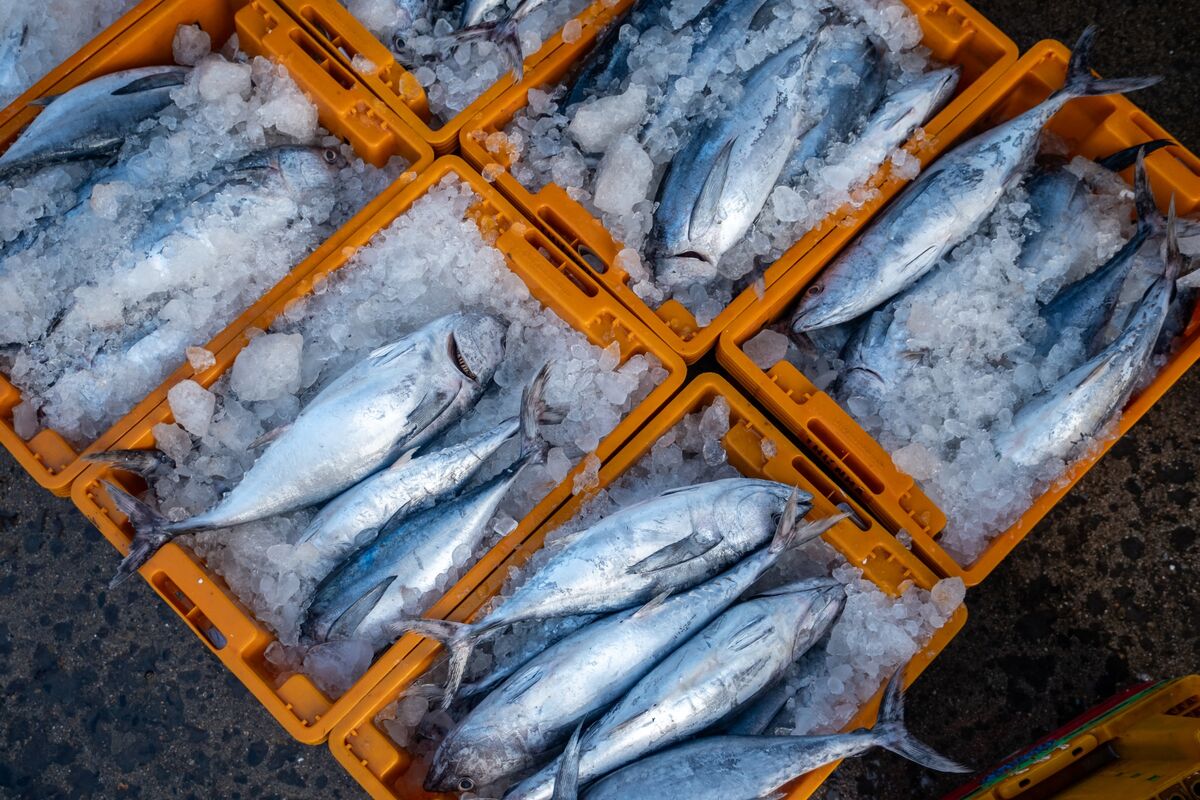
Vietnam is urging the US to reconsider a ruling that effectively bans certain seafood exports, warning of a potential $500 million annual loss for its seafood industry and risks to thousands of livelihoods. The Vietnamese Industry and Trade Minister emphasized that the ban could disrupt bilateral trade and negatively impact US importers and consumers, signaling broader economic implications.
Vietnam has formally challenged a US regulatory ruling that effectively constitutes a ban on certain seafood exports, signaling a significant point of friction in bilateral trade negotiations. The Vietnamese government has quantified the direct economic threat at $500 million in potential annual losses for its seafood industry, a material figure that also jeopardizes the livelihoods of thousands of workers. By highlighting the prospective negative impact on US importers and consumers in a letter from its Industry and Trade Minister to the US Commerce Secretary, Vietnam is framing the issue as a disruption to the broader supply chain, not just a domestic concern. This development, marked by a 'strongly negative' sentiment score, underscores the increasing use of regulatory measures as non-tariff barriers in international trade, creating uncertainty for companies reliant on this specific trade corridor.
AI-powered research, real-time alerts, and portfolio analytics for institutional investors.
Request DemoOverall Sentiment
strongly negative
Sentiment Score
-0.75
