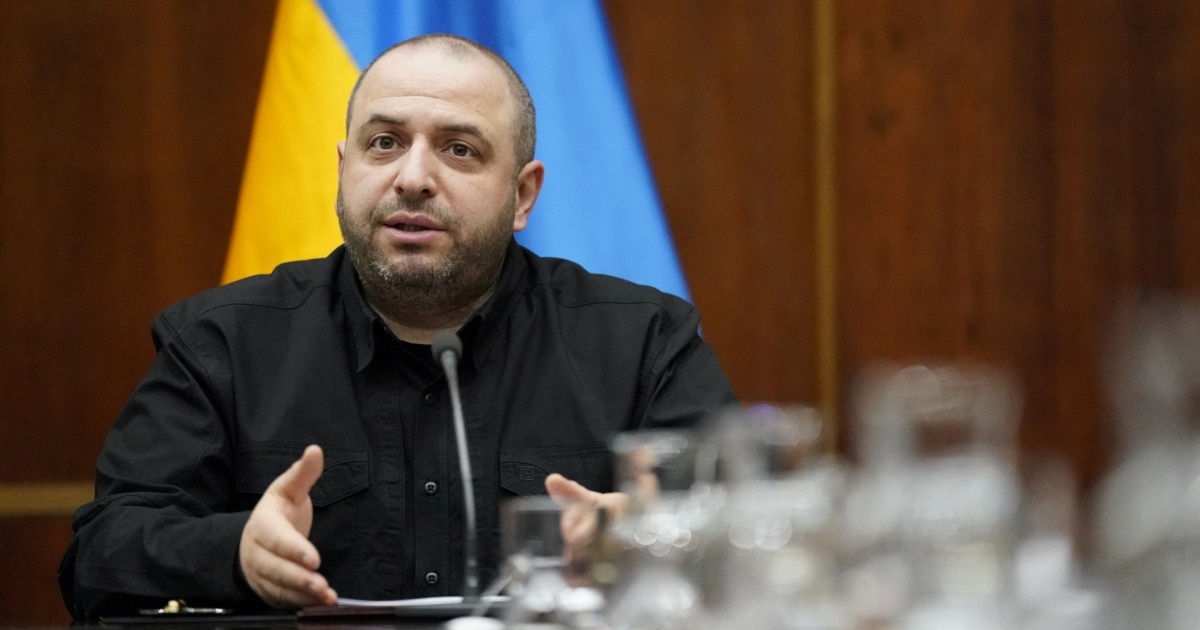
A Ukrainian delegation led by Rustem Umerov is traveling to Florida to pursue a negotiated end to the war, replacing Andriy Yermak who resigned amid an anti-corruption probe that has triggered a major political crisis and cabinet dismissals; U.S. officials released a 28-point plan that Kyiv rejected and countered with a 19-point proposal leaving key issues unresolved. Meanwhile Russia continued drone strikes that damaged Ukrainian residential and energy infrastructure and Kyiv reported strikes on Russian refineries and maritime attacks on shadow-fleet tankers, raising risks to European energy flows, sanctions dynamics and Western political support — factors likely to pressure energy prices, defense exposure and EM risk sentiment.
Market structure: A negotiated settlement risk (driven by US mediation and political pressure) and continued tactical escalation coexist, creating bimodal winners: defense primes (LMT, RTX, NOC) and liquid energy exporters (XOM, CVX, EU LNG sellers) on escalation; European utilities, travel, and EM risk-assets lose in a risk-off shock. Short-term pricing power shifts toward oil/NGLs and tanker operators (shadow-fleet beneficiaries) while prolonged settlement would compress defense/orderbook growth by >10-20% over 12–24 months.
Risk assessment: Tail scenarios include a rapid US-brokered exit that reduces Western aid (defense revenue downside >25% for smaller primes within 6–12 months) or a large-scale Russian escalation that triggers commodity spikes (>15% WTI upside) and sanctions expansion. Immediate (days) volatility will be news-driven around Florida/Geneva/Moscow meetings; medium-term (weeks–months) hinge on congressional aid votes and US election signals; long-term (quarters–years) depends on rearmament cycles and EU energy policy shifts.
Trade implications: Favor asymmetric option exposure and capital-efficient energy longs: buy structured 3-month call spreads on WTI and selective 3–6 month call calendars on XOM/CVX; maintain 1–3% directional equity exposure to LMT/RTX with 25–40% cost hedges via puts or short-dated straddles. Tilt portfolio to FX safety (long USD, long CHF/JPY pairs) and increase sovereign-duration hedges (TLT) if drone strikes expand to critical infrastructure.
Contrarian angles: Consensus prices constant high defense demand; that is underweighting the near-term political risk from Ukraine corruption and US election influence — a quick framework could cut defense revenue expectations materially. Historical parallel: post-Cold War drawdowns show >30% multi-year defensives' re-rating when political will to fund wars falls; conversely, markets may underprice shipping/tanker optionality if shadow-fleet interdiction rises.
AI-powered research, real-time alerts, and portfolio analytics for institutional investors.
Request DemoOverall Sentiment
strongly negative
Sentiment Score
-0.60
