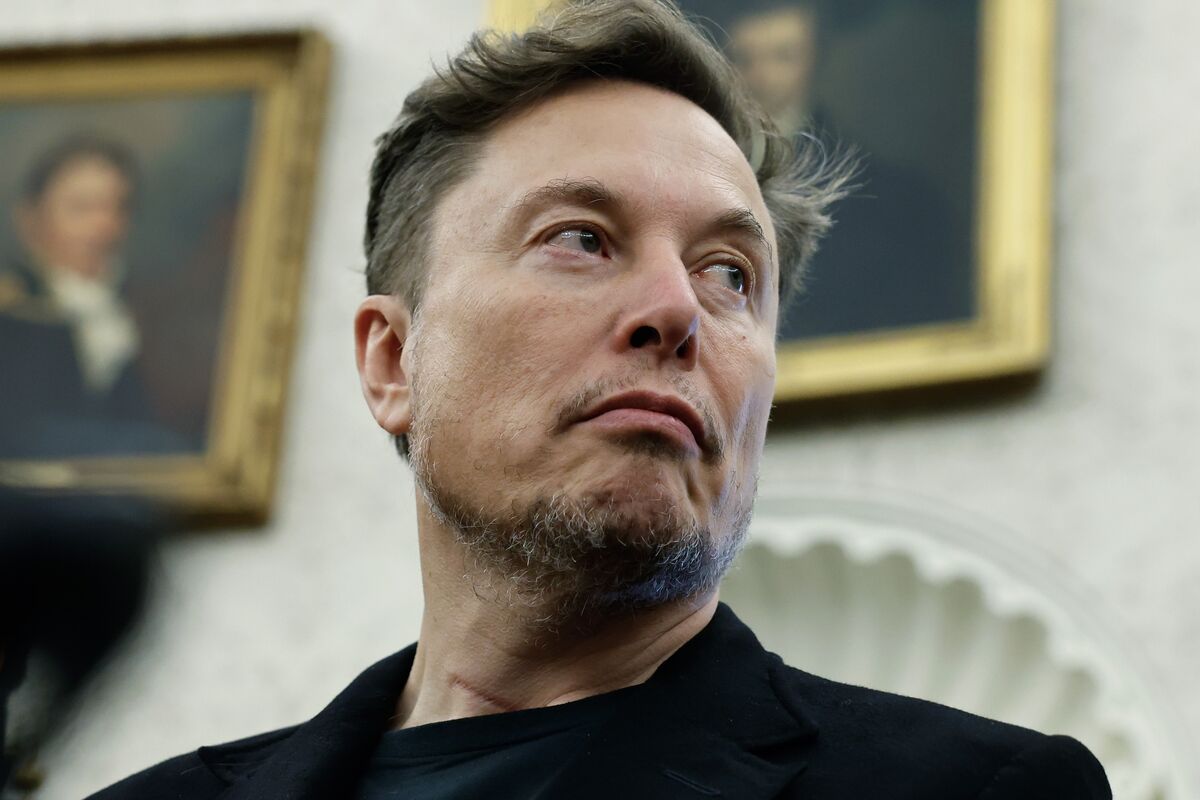
Elon Musk has voiced his disapproval of the recently passed Trump tax bill, stating it increases the budget deficit and undermines his efforts to cut government spending through the Department of Government Efficiency (DOGE). Musk, who is stepping back from his role in DOGE, expressed his disappointment in an interview with CBS News, highlighting the bill's contradiction of DOGE's objectives.
Elon Musk has publicly expressed disappointment with the recently passed Trump tax bill, primarily due to its projected increase in the budget deficit, which he states directly conflicts with and undermines the cost-reduction objectives of the Department of Government Efficiency (DOGE). This criticism, characterized by a 'moderately negative' sentiment (-0.45) and 'pessimistic' tone, was delivered as Musk announced he is stepping back from his leadership role at DOGE, an initiative described as an exponent of the 'second Trump administration’s vision'. The divergence between the tax bill's expansionary fiscal impact and the stated goals of government efficiency highlights potential internal policy tensions and raises questions about the commitment to fiscal consolidation, relevant to overarching themes of 'Fiscal Policy & Budget' and 'Tax & Tariffs'. While the immediate market impact score of this specific news is low (0.25), Musk's public stance on deficit concerns could influence broader investor caution regarding long-term US fiscal health and the practical execution of government efficiency measures.
AI-powered research, real-time alerts, and portfolio analytics for institutional investors.
Request DemoOverall Sentiment
moderately negative
Sentiment Score
-0.45
