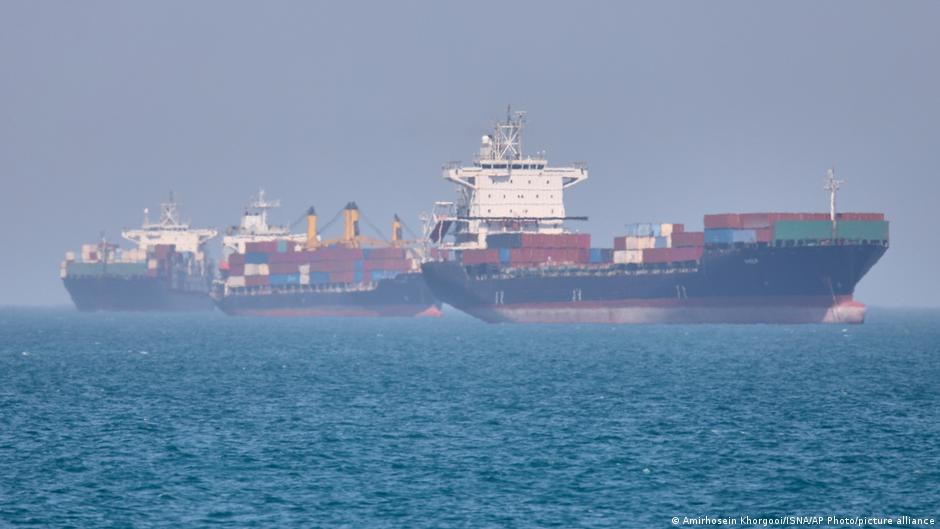
The IEA warned that global oil stocks are being drawn down at a record pace, with 164 million of the 400 million barrels in emergency releases already used and inventories down another 117 million barrels in April. Continued disruption from the Iran-related conflict and effective closure of the Strait of Hormuz is raising the risk of further oil and jet fuel shortages, especially ahead of peak summer demand. The article also highlights escalation in Lebanon and heightened geopolitical risk around the BRICS meeting in Delhi.
The market is still underpricing the duration risk in the physical oil system. Once strategic inventories start being pulled down aggressively, the cushion against a second shock collapses: the first response is price spikes, but the second-order effect is a widening calendar spread and severe dislocation in regional differentials as buyers compete for prompt barrels. That tends to favor upstreams and storage owners first, then eventually refiners and transport names as volatility bleeds into working capital and hedging costs.
The bigger issue is not just crude price, but product availability. If jet fuel and diesel availability tighten into the northern-hemisphere travel and freight peak, the marginal damage shows up in airlines, inland logistics, and trucking margins before it shows up in headline GDP. That creates a nasty asymmetry: energy equities can rally on the front-page crisis while downstream transport and consumer-discretionary names start revising earnings down with a 1-2 quarter lag.
The geopolitical catalyst path is binary but not symmetric. A diplomatic de-escalation can cap upside quickly, but rebuilding lost inventory takes months even if flows normalize, so any pullback in crude is likely to be shallower than the initial spike. The real tail risk is a prolonged blockade forcing emergency releases to run faster than replenishment, which would shift the market from a temporary supply shock into a structural scarcity narrative heading into summer.
Consensus is probably overconfident that strategic stocks are a clean offset. They are a bridge, not a solution: once the market learns the bridge is thinning, implied volatility in oil-linked assets should stay elevated even if spot retraces. That supports owning convexity rather than chasing outright beta.
AI-powered research, real-time alerts, and portfolio analytics for institutional investors.
Request DemoOverall Sentiment
strongly negative
Sentiment Score
-0.72
