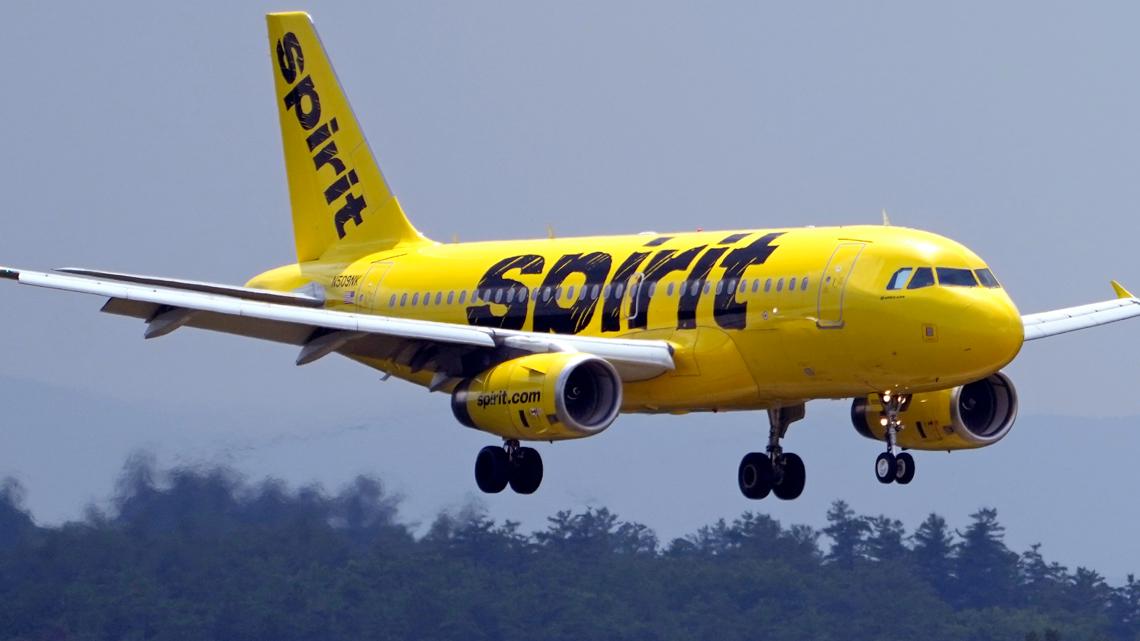
The Trump administration is in advanced talks to offer Spirit Airlines as much as $500 million to help the carrier avoid liquidity stress and emerge from its second bankruptcy, though no deal has been finalized. Spirit has been under pressure from weak domestic demand, persistent losses, and higher fuel costs, and had already lost more than $2.5 billion since the start of 2020 by its first Chapter 11 filing in November. The potential federal support could stabilize the airline, but it also underscores severe balance-sheet strain and ongoing restructuring risk.
A bailout path for a marginal carrier is not just a single-name rescue; it is a signal that politically sensitive capacity may be kept alive longer than the market would justify. That matters for the domestic airline complex because the hardest part of the cycle is not surviving one bad quarter, it is preventing supply rationalization from flowing through to pricing power. If Washington effectively subsidizes excess capacity, the first-order loser is not Spirit alone but every airline relying on higher fares to repair margins into 2025.
The second-order effect is that this policy creates a floor under the weakest operators while capping the upside for the healthiest low-cost peers. A government backstop delays asset sales, slot redistribution, and bankruptcy-driven capacity exits, which are normally the mechanisms that tighten the industry and support yields. In the near term, that can keep fare compression in place for 1-2 quarters longer than consensus expects, especially in leisure-heavy domestic routes where price sensitivity is highest.
The contrarian risk is that the market overstates the likelihood of durable support: even if a headline package emerges, conditions attached to it could force faster fleet shrinkage and network cuts, turning the “rescue” into an orderly wind-down. Another underappreciated angle is precedent risk: if policymakers intervene here, the next stress case in travel, freight, or industrials may trade with a political put, which lowers the discount rate on distress but raises event risk around elections and budget negotiations. The key catalyst window is days to weeks for headline risk, but months for actual capacity and earnings impacts.
From a positioning standpoint, the best expression is to fade the weakest balance sheets and own the names with pricing discipline and stronger liquidity. This is less a pure airline-bullish setup than a relative-value rotation where the losers of policy intervention are the firms waiting for industry rationalization, not the ones with balance-sheet flexibility. If support is finalized, expect a relief rally in risk assets, but the medium-term earnings effect is still negative for the sector because subsidized capacity prolongs suboptimal competition.
AI-powered research, real-time alerts, and portfolio analytics for institutional investors.
Request TrialOverall Sentiment
strongly negative
Sentiment Score
-0.72
Ticker Sentiment
