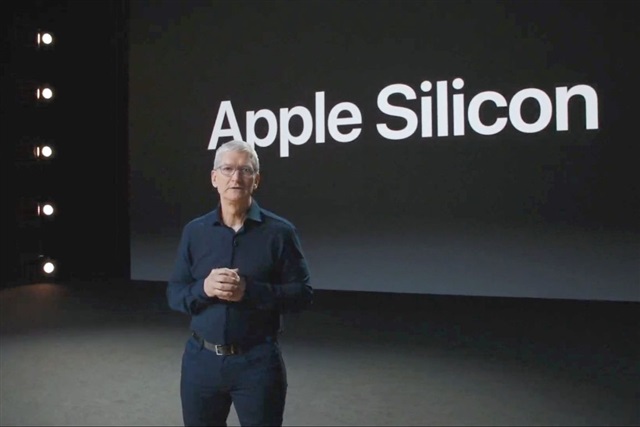
SemiAnalysis reports that Apple embeds hundreds of engineers at TSMC’s headquarters, effectively treating the foundry as an extension of its engineering organization. This close, operational partnership underscores deep integration between Apple’s product design and TSMC’s process roadmaps, reinforcing supply-chain alignment and potential competitive barriers for rivals, although no financial metrics or immediate market-moving developments were disclosed.
Market structure: The embedded Apple–TSMC relationship materially shifts profits to TSM (TSM) and to semiconductor capital equipment suppliers (ASML, LRCX) because advanced-node capacity (5nm/3nm) is scarce and commands 10–30% ASP premium versus trailing nodes. Losers are IDM competitors (INTC, Samsung) who face share erosion in high-margin mobile/AI logic; pricing power for TSM should allow ~200–400bp incremental gross margin expansion if capacity remains >90% utilized over 12–24 months. Cross-asset: stronger TSM earnings supports Taiwan FX (TWD) and narrows TSM credit spreads; equity options skew may compress (lower IV) absent fresh catalysts; marginally higher copper/palladium demand for fabs is a small commodity tailwind.
Risk assessment: Tail risks include US/Taiwan export controls or a K-break escalation that could cut off EUV deliveries (low-probability, high-impact), major yield failures at a new node, or Apple diversifying away from TSM (concentration risk: Apple is ~20–25% of TSM revenue). Immediate (days) risk: headline-driven IV spikes; short-term (weeks–months): capacity reallocation ahead of iPhone cycles; long-term (years): structural foundry moat if TSM sustains node leadership. Hidden dependencies: TSM’s margin depends on sustained Apple design wins and steady ASML EUV supply.
Trade implications: Establish a 2–3% long position in TSM (6–12 month horizon), target 15–25% upside, stop-loss 10% below entry; pair it with a 1–2% short in INTC (or 005930.KS) to isolate foundry vs. IDM risk. Buy a 6-month TSM call spread: 10–15% OTM long, sell 20–25% OTM to fund cost; size 1–2% notional. Overweight ASML/LRCX by 1–2% for equipment exposure; underweight consumer cyclical semiconductor OEMs.
Contrarian angles: Consensus underweights the regulatory and IP scrutiny risk from deep Apple presence inside TSM — this could trigger antitrust review or forced disclosure that pressures TSM multiples. Conversely, market may underprice TSM’s sustainable margin lift from exclusive advanced-node scale; historical parallel: Intel’s single-customer swings in PC era show concentrated customers can both boost and abruptly hurt foundries. Watch for unintended consequences: talent-transfer/IP leakage and localized supply-chain mandates that could impose capex or operational constraints.
AI-powered research, real-time alerts, and portfolio analytics for institutional investors.
Request DemoOverall Sentiment
neutral
Sentiment Score
0.00
Ticker Sentiment
