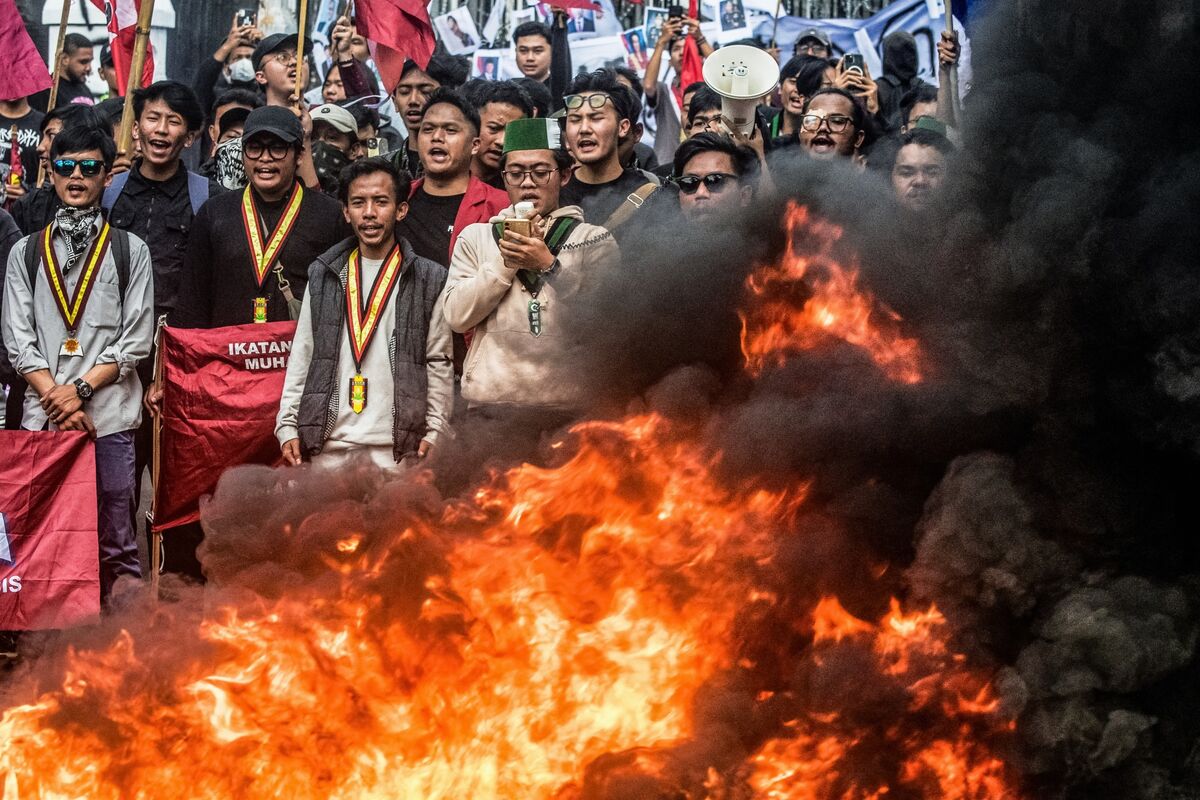
Indonesia is grappling with its most significant civil unrest in years, ignited by public outrage over a proposed $3,000 monthly housing allowance for lawmakers amid widespread poverty and unemployment. The protests, which began in Jakarta on August 25 and escalated following a demonstrator's death on August 28, have spread nationwide, leading to property destruction, looting of officials' homes, at least six fatalities, and hundreds of injuries, underscoring severe political instability.
Indonesia is confronting its most severe civil unrest in recent years, a direct consequence of a government proposal to grant lawmakers a $3,000 monthly housing allowance. This policy has ignited widespread public indignation, particularly given the country's context of endemic poverty and joblessness, signaling a significant disconnect between the political class and the populace. The protests, which began in Jakarta on August 25, have escalated into nationwide violence following the death of a civilian, resulting in at least six fatalities, hundreds of injuries, and the destruction of state property. The targeting of high-profile officials, including the looting of Finance Minister Sri Mulyani Indrawati's home, underscores a deep crisis of public trust and a breakdown in governance. This level of political instability, reflected in the strongly negative sentiment and a high market impact score of 0.65, introduces substantial sovereign risk and operational uncertainty for any assets with exposure to the Indonesian economy.
AI-powered research, real-time alerts, and portfolio analytics for institutional investors.
Request DemoOverall Sentiment
strongly negative
Sentiment Score
-0.80
