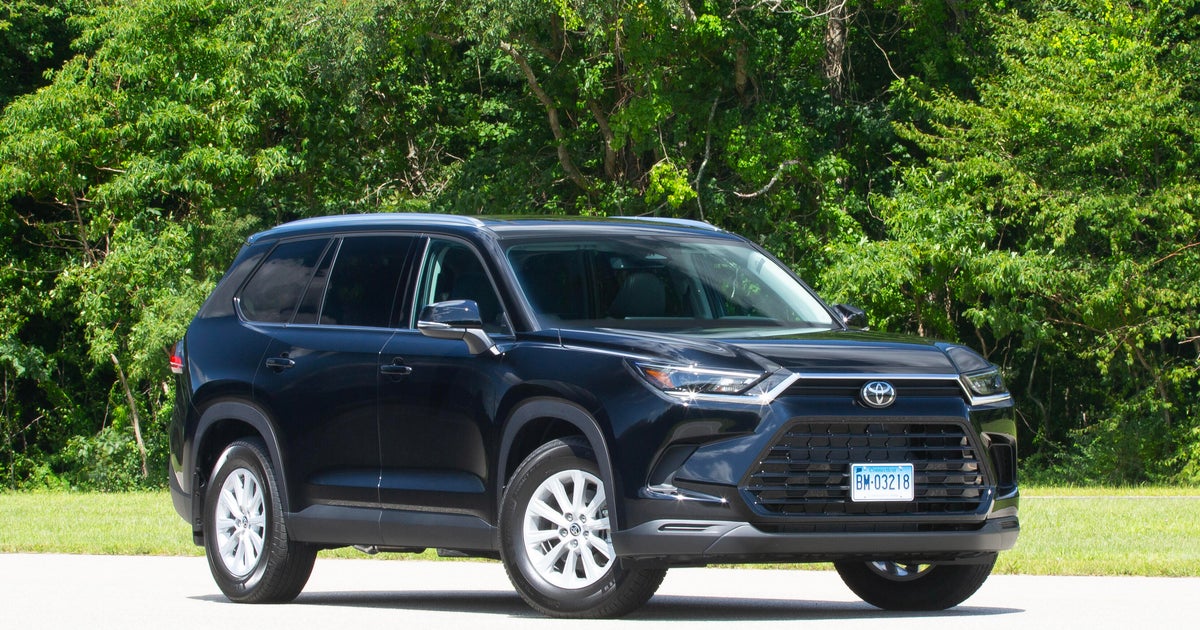
Consumer Reports' 2026 top-10 vehicle list — notable for being entirely available in electric or hybrid variants for the first time — highlights a mix of affordable and luxury models that emphasize fuel efficiency and safety. Key data points include the Honda Civic hybrid ($24,695; 44 mpg; 0-60 mph in 7.5s), Toyota Camry (hybrid-only, $29,100), Toyota Grand Highlander ($41,660; 35 mpg), Lexus NX ($44,175; 37 miles electric-only), BMW X5 ($67,600; 39-mile EV range), Tesla Model Y ($39,990), Ford Maverick ($28,145; 37 mpg hybrid) and Ford F-150 ($37,290). The findings, drawn from CR's testing of roughly 50 new vehicles annually, underscore continuing OEM focus on electrified powertrains and affordable efficiency — a meaningful consumer trend but unlikely to be materially market-moving in the near term.
Market structure: CR's top-10 being entirely electrified/hybrid reinforces demand for lower-priced electrified products (beneficiaries: Ford F (F), Toyota (TM), Honda (HMC), Subaru) and validates Tesla's (TSLA) network advantage. Expect modest pricing power for mainstream OEMs that can offer hybrids/EVs <$50k, compressing incentive-driven discounts on low-cost EVs and sustaining used-car values; this favors scale players with diversified powertrains. Battery metals and Tier-1 suppliers see incremental demand; oil demand faces low-single-digit secular downside over years, pressuring energy cyclicals slowly.
Risk assessment: Tail risks include abrupt regulatory shifts (tax-credit rollback or stricter battery recycling rules) and sudden commodity shocks (Li/Ni supply cut driving +30-50% input cost), each capable of wiping 10-25% off margins for exposed OEMs within 6-18 months. Immediate effects (days–weeks) are sentiment moves around CR headlines; 3–12 months brings inventory and incentive adjustments; structural margin gains/losses play out over 1–3 years. Hidden dependencies: dealer trade-ins, charging infrastructure rollout, and software/service monetization trajectories.
Trade implications: Favor long, selective, value-oriented OEM exposure—tilt to F (operational reliability) and TM/HMC (hybrid pricing power) over 6–12 months while adding 1–2% bucket to battery-metal exposure (ETF/miners) on 3–9 month horizon. Implement option sleeves to limit drawdown: buy 3-month 0.30-delta call spreads on TSLA sized 0.5–1% portfolio if expecting upside; conversely buy 3-month puts on high-multiple pure EV names if commodity/credit risks materialize. Monitor monthly new-vehicle sales and DOE/IRS tax-credit notices as 30–60 day catalysts.
Contrarian angles: Consensus underestimates hybrids' staying power—hybrids may slow pure-EV adoption and reduce near-term battery intensity per vehicle, a negative for high-leverage battery miners. Market may be underpricing reliability-driven share shifts to legacy OEMs; conversely, overestimation of Tesla's moat (Supercharger lead) is possible if networks scale rapidly via third parties. Historical parallel: 2010s hybrid ramp showed durable consumer preference for incremental electrification before full EV inflection; position sizing should reflect that phased transition.
AI-powered research, real-time alerts, and portfolio analytics for institutional investors.
Request DemoOverall Sentiment
mildly positive
Sentiment Score
0.35
Ticker Sentiment
