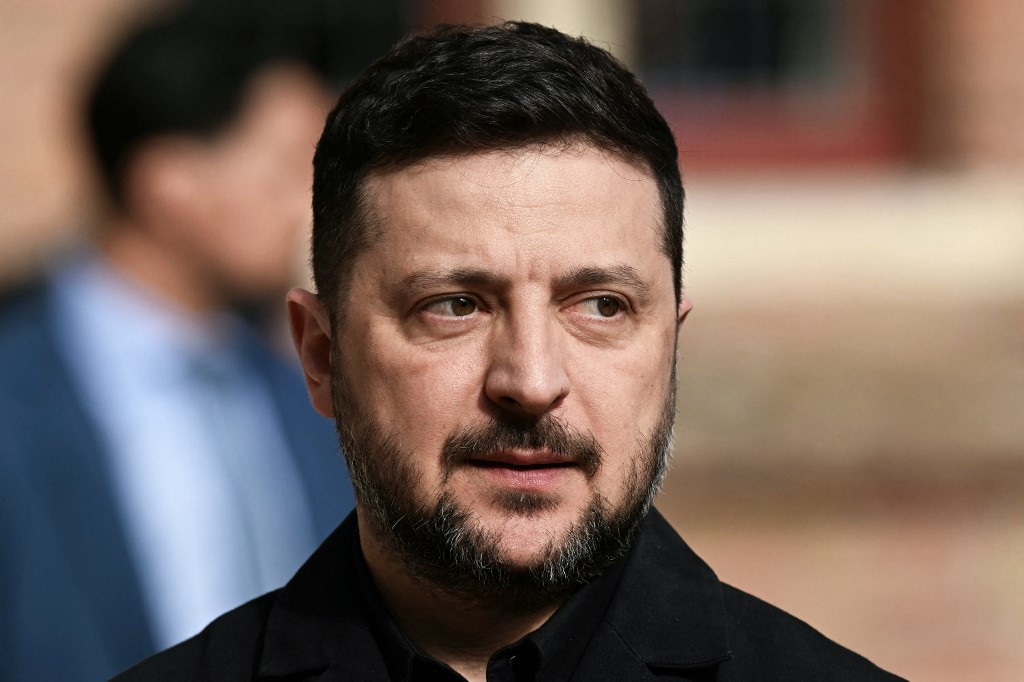
Zelensky said Ukrainian drones could strike Moscow’s May 9 Victory Day parade, as Russia reportedly scales back the event with no tanks, missiles, or artillery expected for the first time since 2008. The article highlights repeated drone attacks on Moscow and broader concerns about Russia’s military posture, sanctions pressure, and the war’s trajectory this summer. The geopolitical risk is elevated, with potential implications for security, defense readiness, and regional sentiment.
The market implication is not the parade itself; it is the signal that Moscow’s capital-city air defense problem is now a live, recurring operational risk rather than a one-off embarrassment. That raises the probability of accelerated procurement for short-range air defense, electronic warfare, counter-UAS optics/radar, and point-defense interceptors across Russia and its client states, but with a lag: near-term spend will be emergency-driven and uneven, while the real budget reallocation would show up over the next 2-4 quarters.
Second-order, the bigger loser is Russia’s ability to use symbolic displays as a deterrence and recruitment tool. If elite optics degrade, it can subtly weaken domestic confidence and increase the Kremlin’s incentive to overcompensate with harsher retaliatory strikes, which raises escalation risk around a narrow window of days, not months. That dynamic also increases the odds of more kinetic noise around May 9, which would likely push European defense volatility higher and keep sanctions rhetoric sticky.
The contrarian read is that headline risk may be overpricing immediate economic damage to Russia while underpricing defense capex beneficiaries. A short-lived truce or deconfliction corridor around the holiday is still plausible if both sides want to preserve face; that would dampen the drone threat temporarily without changing the broader attritional trend. The durable thesis remains that layered air defense and counter-drone systems are moving from niche to core infrastructure in Europe, with demand broadening from military to dual-use homeland security budgets.
AI-powered research, real-time alerts, and portfolio analytics for institutional investors.
Request DemoOverall Sentiment
moderately negative
Sentiment Score
-0.35
