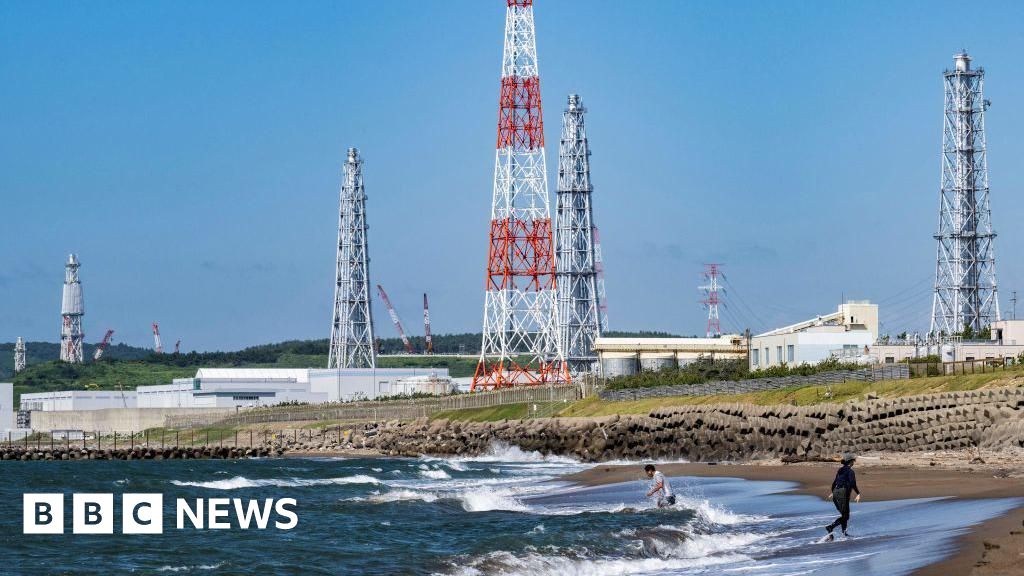
Japan has restarted reactor No.6 at the Kashiwazaki-Kariwa plant — the world's largest nuclear facility — marking Tepco's first restart since the 2011 Fukushima crisis; commercial operation is slated for next month after a one-day delay for an alarm malfunction. The plant once had seven reactors (total 8.2 GW) but now faces reduced capacity (one reactor restarted, a second not expected until 2030 and five potentially to be decommissioned), as nuclear’s share of electricity stands at about 8.5% (down from ~30% pre-2011) while the government targets 20% by 2040. Investors should weigh potential upside to domestic power supply against heightened regulatory, reputational and capex risks from stricter safety checks, litigation and recent security/document-handling scandals at Tepco — risks that could require subsidies or higher consumer tariffs and strain returns for utilities.
Market structure: Tepco (9501.T) restarting Kashiwazaki-Kariwa is a local positive for nuclear suppliers, engineering contractors and uranium exposure (spot and miners). Winners: CCJ/uranium ETF (URA) and global nuclear-equipment names; losers: marginal reduction in Japan LNG demand (low single-digit % of national gas burn over 1–5 years), some utility-scale renewable developers in Japan and LNG shipping spot rates. Pricing power shifts slowly — nuclear supply is capital‑intensive and will tighten uranium markets over 6–36 months if restart momentum continues.
Risk assessment: Tail risks include a Fukushima‑scale incident (low probability, extreme impact → nationwide shutdown, litigation, sovereign guarantees), regulatory reversals tied to public protests or new data irregularities (weeks–months), and cost overruns that force government subsidies and fiscal strain (years). Hidden dependencies: grid integration, skilled labour, and NRA approval cadence; a delayed NRA decision within 30–90 days is a high‑probability catalyst that could flip sentiment.
Trade implications: Tactical commodity/producer buys (uranium) are the most direct convex exposure — expect asymmetric upside if global nuclear capacity projections double by 2050. Equities: selective small long in 9501.T vs short 9502.T (regulatory risk premium) as a relative play; reduce/avoid direct long exposure to Asian LNG shippers and brokers. Use limited-duration call spreads to capture policy-driven rallies and protective puts around NRA announcements.
Contrarian angles: Consensus underestimates political backlash risk and the fiscal cost of restarts — nuclear may not materially cut energy imports in the next 3–5 years, so near-term commodity deflation in LNG is capped. Conversely, successful restarts accelerate industrial power reliability (data centres, fabs) in 12–36 months — an overlooked cyclical booster for Japanese capex names. Watch JPY strength and JGB curve steepness as leading indicators of market confidence in the policy path.
AI-powered research, real-time alerts, and portfolio analytics for institutional investors.
Request DemoOverall Sentiment
moderately negative
Sentiment Score
-0.35
