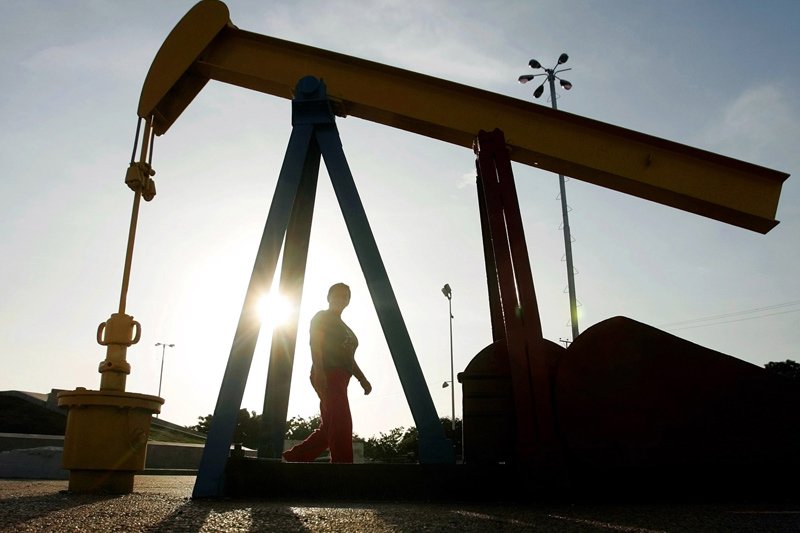
Treasury Secretary Scott Bessent said the U.S. has "absolute control" of the Hormuz Strait and is pushing China to help reopen the waterway, highlighting a potential disruption to a route carrying about 2 million barrels per carrier. He warned the world faces an 8 million to 10 million barrels-per-day oil deficit, though he expects oil prices to fall once the conflict passes. The comments point to elevated geopolitical and energy-market risk with possible near-term volatility in crude and shipping flows.
The market is still underpricing how much of the near-term shock is about logistics rather than outright supply loss. If the corridor remains even partially constrained, the first-order winners are tanker owners, floating storage, and insurers; the second-order losers are Asian refiners and energy-intensive shippers that face both higher crude and a wider delivered-cost spread. That tends to bleed into broader risk assets through higher freight and input costs before it shows up in headline inflation prints. The key catalyst window is days to weeks, not months: the real trade is whether the market believes passage can normalize without a wider retaliatory cycle. If traffic reopens with no kinetic escalation, crude should mean-revert fast and the current bid in energy hedges can unwind sharply; if there is even a brief interruption, prompt-month energy volatility will outperform outright directional moves. That asymmetry argues for volatility structures over naked commodity length. The second-order equity implication is that any temporary oil spike is mildly stagflationary for cyclicals and consumer discretionary, but supportive for defense and maritime names. Meanwhile, the most crowded “beneficiaries” are integrated oil majors, yet their upside is capped if the move is explicitly framed as transitory; the cleaner expression is through shipping and options rather than beta-heavy energy equities. The article also implies a policy off-ramp: because the administration is signaling a desire to stabilize trade relationships, a diplomatic de-escalation could come faster than the market expects and violently reverse the trade. Contrarian view: the consensus may be extrapolating a geopolitical headline into a lasting supply shock, but the more durable effect may be in pricing optionality and risk premia. If this is a short-lived shipping disruption, the bigger winner is not crude producers but those who monetize elevated volatility and scarcity pricing for 1-3 weeks. That makes the current move look more like an event-driven dispersion opportunity than a structural energy bull case.
AI-powered research, real-time alerts, and portfolio analytics for institutional investors.
Request DemoOverall Sentiment
mildly negative
Sentiment Score
-0.25
Ticker Sentiment
