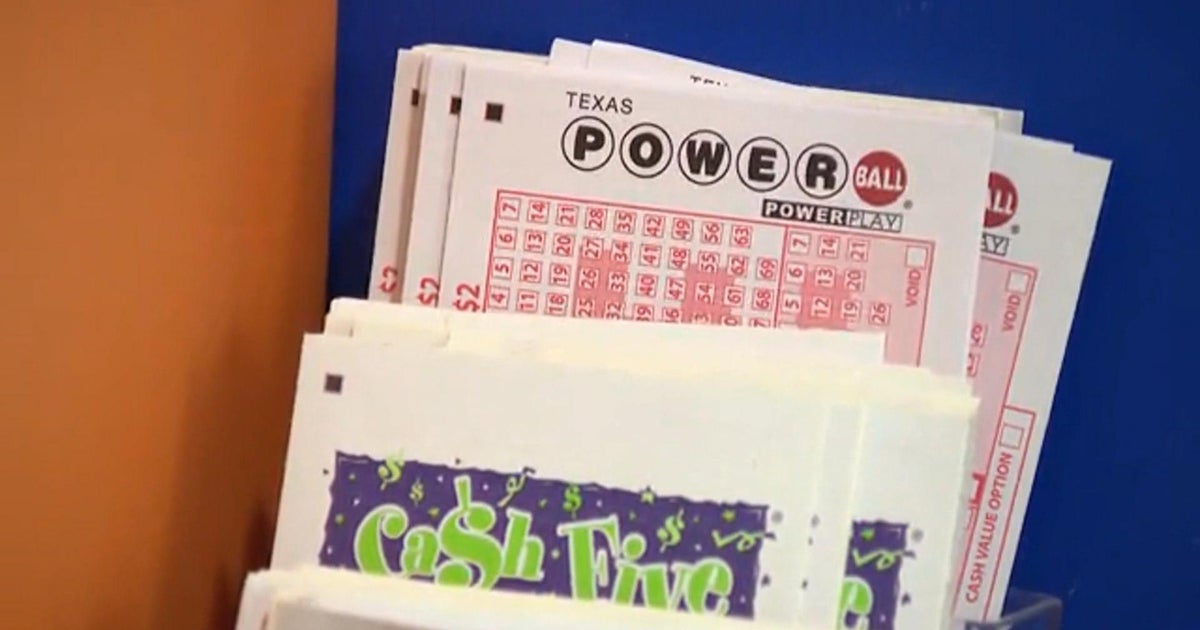
A Powerball ticket matching five white balls (3, 18, 36, 41, 54) with Powerball 7 sold at a mobile gas station at 650 Waukegan Rd. in Deerfield, Illinois, is worth $1 million; another Illinois player won $100,000 (matched four + Powerball with Power Play) and seven players won $50,000 each. The jackpot has reached $1.7 billion since its run began in September and would be the fourth-largest U.S. lottery prize if won; the next drawing is Wednesday night.
Market structure: The immediate winners are retail outlets that sell lottery tickets (WMT, KR, CVS, CASY) and lottery-technology suppliers (IGT, SGMS) due to higher foot traffic and ticket fees; expect localized same‑store sales bumps of ~0.5–2% for 1–7 days and a sub‑1% revenue blip for vendors over a quarter. Broad-market impact is negligible — consumer spending/GDP effects are immaterial (<<0.1%); media companies with local news (NXST, SBGI) get short-lived ad/reach lifts.
Risk assessment: Tail risks include regulatory action (state-level caps or fee changes) or problem‑gambling litigation that could reprice lottery vendors by 10–25% over 6–18 months; operational tails (fraud, payout disputes) can cause temporary volatility. Timeframes: immediate (days) for retail comps and local ad revenue, short-term (weeks) for stock/IV moves around drawings, long-term (quarters) only if policy changes. Hidden dependencies: jackpot outcome; if won, attention collapses and short-term demand evaporates — if it rolls, media-driven participation can compound.
Trade implications: Tactical opportunities favor short-dated, event-driven exposure: buy short-dated calls/call-spreads on IGT/SGMS and small, time-boxed longs in high-lotto-footfall retailers (KR/CASY/WMT) for 1–4 weeks; avoid levering multi-quarter positions absent regulatory clarity. Options: exploit IV skew — buy 30–60 day call spreads into the next draw and sell premium post-draw if IV spikes >15 pts.
Contrarian angles: The market often overstates persistent benefit — historical jackpots (e.g., 2016) produced transient retail pops then mean reversion. Mispricing to exploit: short-dated IV often overpriced after media spikes — selling premium (after draw) or buying cheap OTM call spreads pre-draw (small size) captures asymmetric payoff without long-term exposure. Unintended consequence: a big policy reaction could compress valuations for lottery vendors for quarters.
AI-powered research, real-time alerts, and portfolio analytics for institutional investors.
Request DemoOverall Sentiment
neutral
Sentiment Score
0.00
