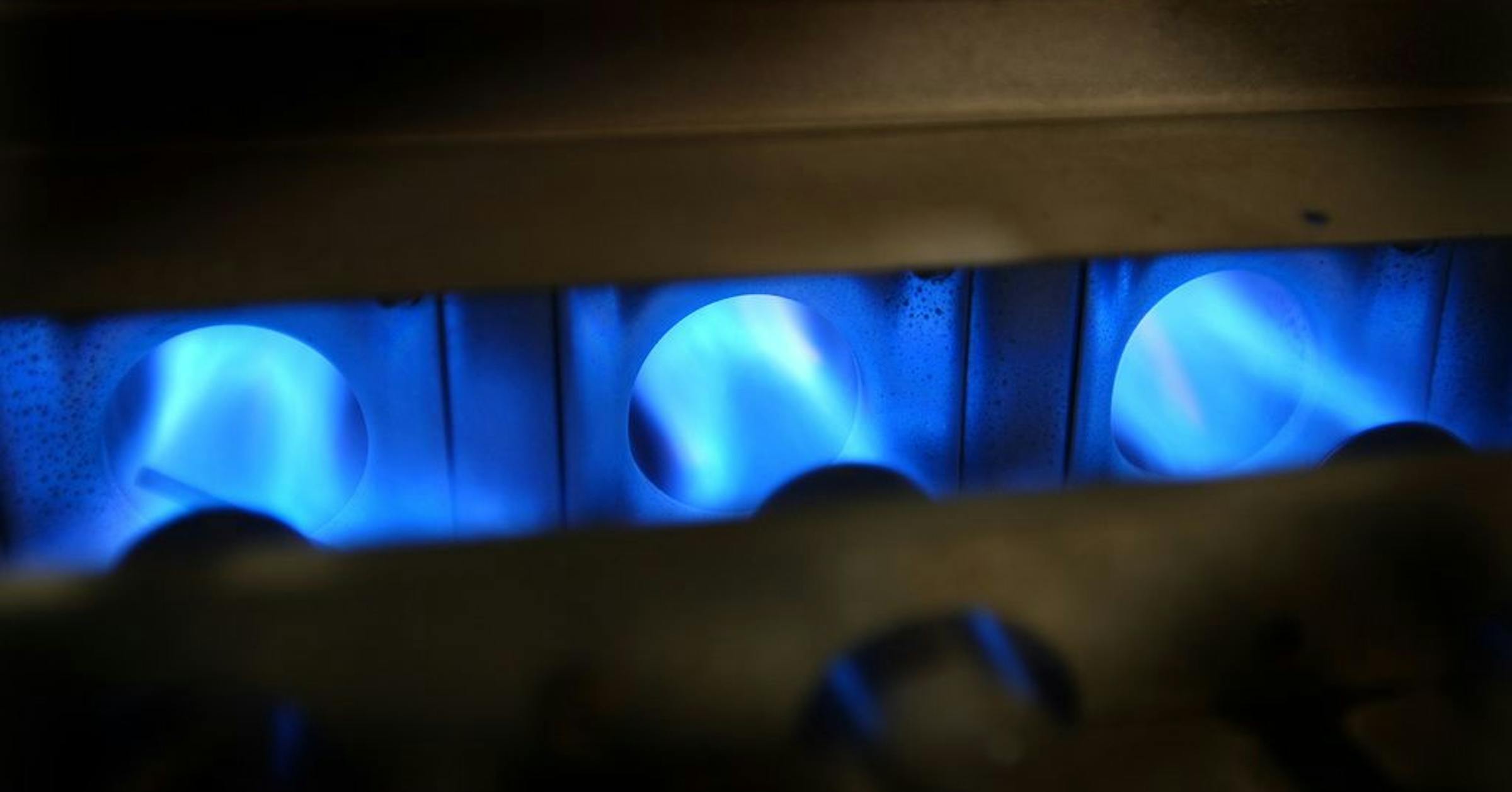
Arctic air and a large winter storm have driven up wholesale natural gas prices, prompting Xcel Energy to warn of a temporary price hike for its nearly 500,000 Minnesota gas customers and urge short-term conservation; Xcel already implemented a 6.8% gas rate increase on Jan. 1, 2026. CenterPoint Energy, which supplies over 900,000 Minnesota customers, also urged conservation but did not signal immediate rate changes. The story implies near-term upward pressure on regional gas bills and potential short-term volatility for utility margins and local natural gas demand/prices; monitor wholesale gas prices and any further utility rate filings.
Market structure: Near-term winners are natural gas spot holders, pipeline capacity sellers and LNG marketers as heating demand spikes; losers are regional gas-heavy utilities with weak hedges and large residential loads (XEL serves ~500k MN customers and has signaled bill impacts). Expect a prompt-month Henry Hub premium — a 10–30% move higher in the next 7–14 days is plausible if HDDs remain >20% above normal — and localized basis tightness in Upper Midwest (MISO/MN hubs). Cross-asset: NG implied vol will spike, short-term power forwards rise, and utility credit spreads could widen 5–25bp if cashflow lag appears.
Risk assessment: Tail risks include a prolonged arctic episode drawing >5% of US working gas storage, pipeline freeze/force majeure, or regulatory rate caps/consumer relief that compress margins; these have 1–5% low-probability but high-impact chance this winter. Immediate (0–2 weeks): price spikes and bill shock; short-term (1–3 months): storage drawdowns and earnings/rezoning headlines; long-term (quarters): regulatory filings and potential rate-case resets. Hidden dependencies: local basis constraints, hedging program durations, and counterparty credit exposure; catalysts include NOAA 10-day model flips and weekly EIA storage reports.
Trade implications: Express short-duration bullish gas exposure via Feb–Mar Henry Hub call spreads (buy 25–10 delta), allocate 1–2% portfolio, exit on >30% realized move or when prompt premium compresses to <5% vs 30-day mean. Take a conservative relative-short on XEL (0.5–1% net short) and a matched long on CNP (0.5–1%) to capture differential pass-through/hedge positioning over 4–8 weeks; size stops at 8% and targets 10–15% spread capture. Consider buying 3-month XEL put spreads (10–15% OTM) as cheaper downside protection instead of outright short.
Contrarian angle: The market may over-penalize XEL despite regulatory pass-through mechanisms — historical cold snaps (Polar Vortex-type events) produced 2–6 week spot spikes followed by reversion; if EIA reports show smaller-than-expected draws (<3% decline week-over-week), gas forward curve often mean-reverts rapidly. Mispricing risk: equity reaction > fundamental cashflow impact; unintended consequence: aggressive shorting could be clipped by rate-case approvals that allow retroactive recovery, so favor time-limited option structures over large directional shorts.
AI-powered research, real-time alerts, and portfolio analytics for institutional investors.
Request DemoOverall Sentiment
moderately negative
Sentiment Score
-0.38
Ticker Sentiment
