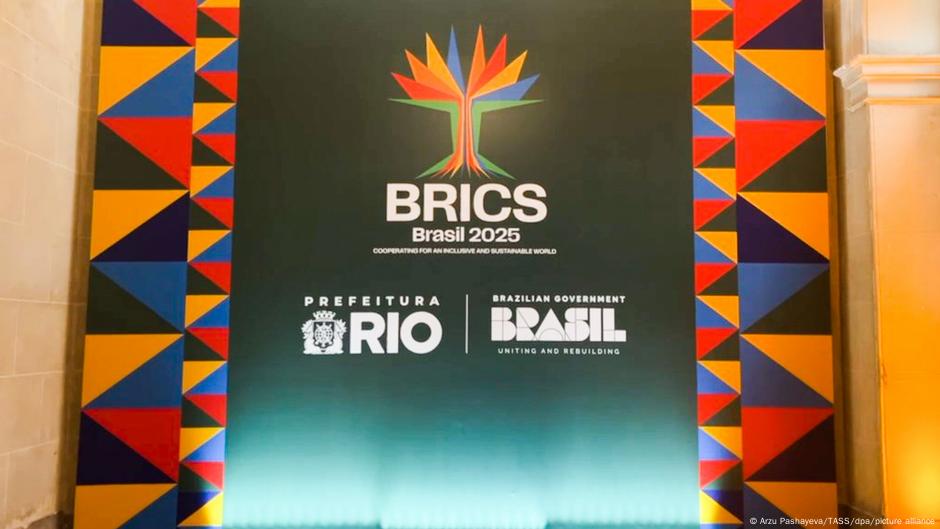
The BRICS bloc, now expanded to 10 members and attracting interest from 44 additional nations, is convening in Rio to advance trade and technology exchange, aiming to establish a multipolar global order and challenge Western economic dominance. Representing over 40% of the world's population and a third of global economic growth, the group controls significant commodity markets and has developed alternative financial institutions. However, internal divisions, economic disparities, and geopolitical tensions among members, alongside challenges to dedollarization efforts, could impede its collective progress despite its expanding influence.
The BRICS bloc, now expanded to 10 nations with 44 more expressing interest, represents a significant and growing force in the global economy, challenging the post-WWII Western-led order. The bloc's scale is substantial, accounting for over 40% of the world's population, more than a third of global GDP by PPP, and controlling critical commodity markets, including approximately 40% of global oil production and 75% of rare earths. Its establishment of the New Development Bank (NDB), which has already approved over $39 billion in projects, and efforts to promote intra-bloc trade in local currencies (surpassing $1 trillion) signal a tangible move towards creating an alternative financial and economic architecture. However, the bloc's effectiveness is constrained by significant internal frictions. Deep-seated geopolitical rivalries, such as the India-China border dispute and potential Saudi-Iran tensions, coupled with divergent strategic priorities—where China and Russia push an anti-hegemonic agenda while India and Brazil favor economic cooperation—threaten its cohesion. The ambitious dedollarization initiative faces major hurdles, including internal resistance to China's economic dominance and external threats like potential US tariffs, making it more of a long-term ambition than an imminent reality. These internal divisions and economic disparities have led some observers, including the originator of the BRIC acronym, to view the bloc as more symbolic than substantive.
AI-powered research, real-time alerts, and portfolio analytics for institutional investors.
Overall Sentiment
Neutral
Sentiment Score
0.00
Ticker Sentiment
