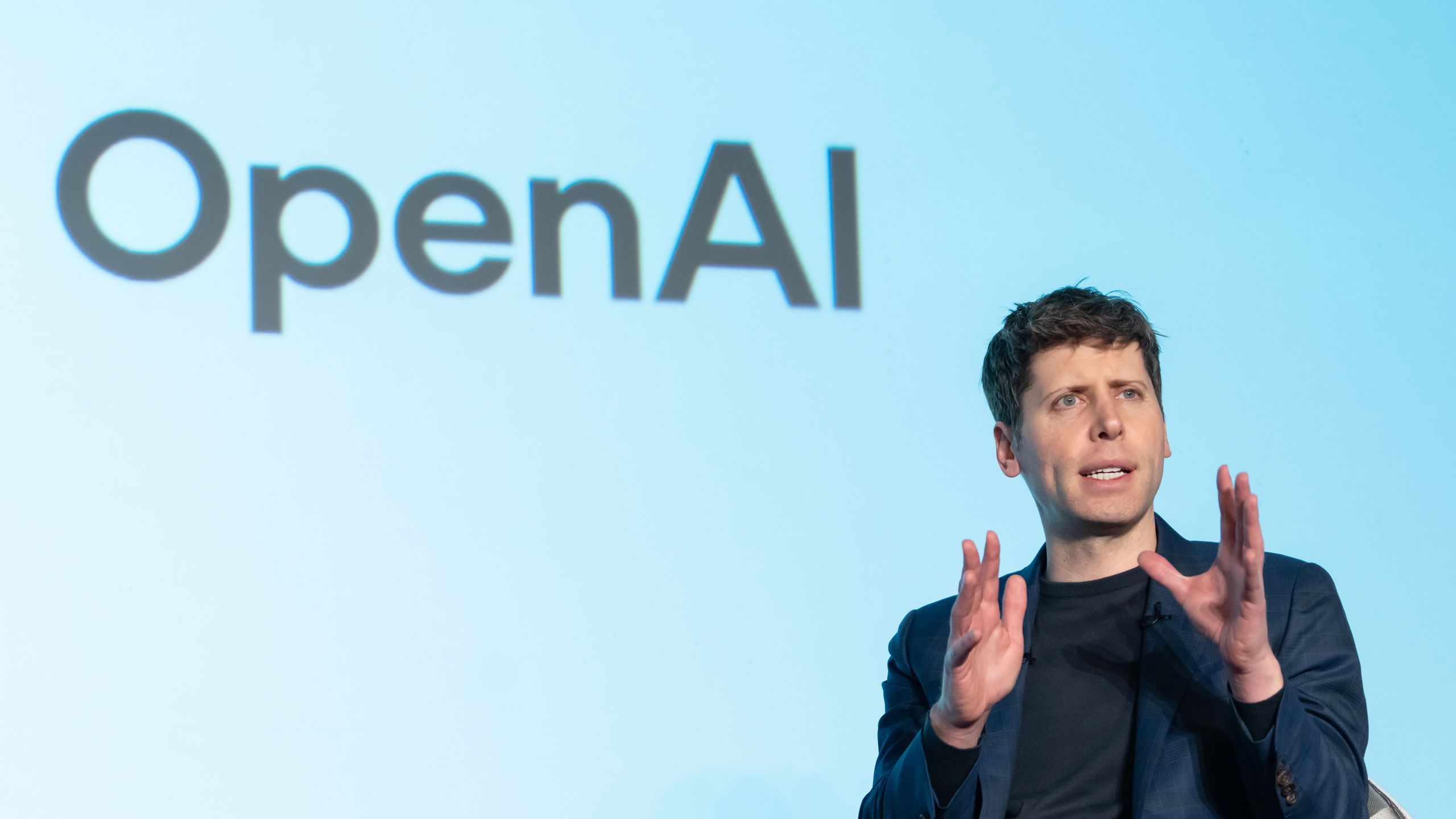
OpenAI has rolled ChatGPT Voice into the regular chat interface on mobile and web, allowing users to switch seamlessly between voice and text with live transcripts, camera-based queries, weather and map displays, and voice-driven image prompts (though image generation was reported as unreliable). The integration improves usability versus the prior separate Voice Mode and may boost user engagement and product stickiness—potentially benefiting stakeholders exposed to OpenAI’s ecosystem—however it contains some bugs and does not constitute a direct revenue or financial disclosure, so immediate market impact is limited.
Market structure: OpenAI’s integrated voice feature is a near-term demand shock for hosted LLM consumption and end-user engagement — winners are Microsoft (MSFT via Azure/OpenAI partnership), NVIDIA (NVDA for GPUs), AWS (AMZN) and UX-oriented app layers; losers include legacy voice-ecosystem incumbents (Alexa/Siri feature parity risk) and search-ad centric margins at Google (GOOGL) if conversational answers cannibalize click-through rates. Expect upward pressure on cloud AI pricing and GPU utilization rates: model-inference demand could lift cloud AI revenue by +10–25% yoy over 4–12 months and keep GPU spot prices elevated vs. pre-update levels.
Risk assessment: Tail risks include regulatory privacy/action (large fines or forced data localization), model outages or hallucinations that derail monetization, and sudden GPU supply normalization reducing vendor pricing power. Immediate (days) risk: integration bugs/backlash; short-term (weeks–months): adoption metrics and guidance divergence in earnings; long-term (quarters–years): regulatory reshaping of monetization. Hidden dependency: OpenAI’s product relies heavily on Azure compute economics and Microsoft contract terms — a counterparty concentration risk.
Trade implications: Direct plays: overweight Azure exposure and semiconductors (MSFT, NVDA, AMZN) while underweight pure ad-revenue names (GOOGL) that face CTR erosion. Options: express through 3–9 month call spreads on NVDA to capture compute-price upside with defined risk; pair trade long MSFT vs short GOOGL to isolate platform vs search-ad exposure. Sector rotation: increase semis/cloud weight by 3–6% portfolio and reduce ad/consumer-internet beta by a similar amount.
Contrarian angles: Consensus assumes rapid monetization; I view monetization lag of 6–18 months as likely, implying an overbought rally in “AI winner” multiples could reverse if guidance disappoints. Historical parallels: Siri/Alexa drove engagement but slow ad/subscription monetization; unintended consequences include user privacy pushback or default subscription models that slow user growth. Staged entries keyed to hard metrics (voice DAUs, Azure AI consumption >+15% QoQ) avoid being early and overpaying.
AI-powered research, real-time alerts, and portfolio analytics for institutional investors.
Request DemoOverall Sentiment
moderately positive
Sentiment Score
0.60
