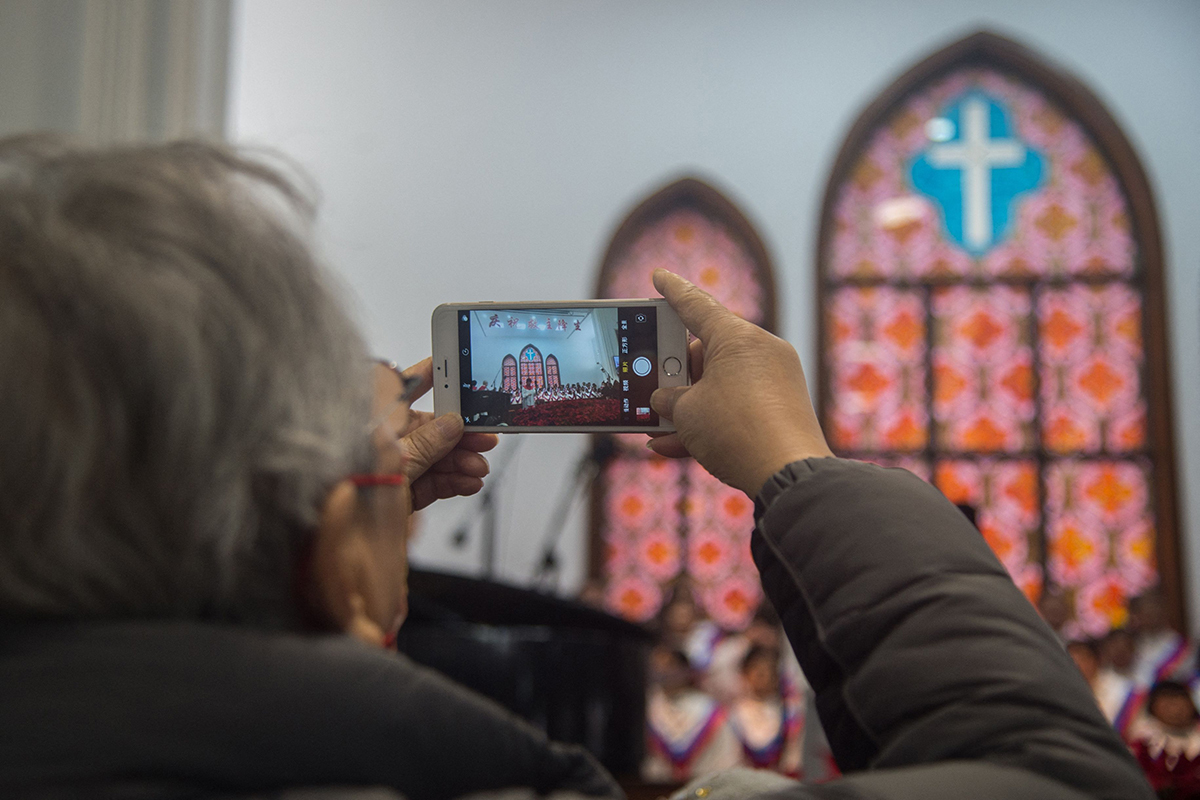
Chinese security forces carried out a multi-day crackdown in Yayang Town, Zhejiang, deploying more than 1,000 police, SWAT and paramilitary personnel to target at least 12 Christian congregations and detain hundreds of people; initial reports cite several hundred detained in the first two days, additional arrests by Dec. 17, and more than 20 individuals potentially charged with offenses such as “picking quarrels and provoking trouble.” Authorities reportedly confiscated property, restricted communications and removed online information, staged a 1 million yuan fireworks display amid the raids, and labeled local church leaders as criminal or gang-related as part of broader enforcement tied to the national “Five Entries and Five Transformations” policy. For investors, the episode highlights heightened regulatory and political risk in Zhejiang and more broadly in China—reinforcing censorship, legal unpredictability and state intervention risks that can affect local operations, reputational exposure and asset security in the region.
Market structure: This crackdown raises political-risk premia rather than direct corporate earnings shocks — losers are China domestic consumer & religious-tourism pockets, grassroots NGOs and social-facing ad-revenue (expect localized revenue declines of 5–15% in affected towns over 3–6 months). Winners are surveillance/security hardware and integrators that supply local police (e.g., Hikvision 1197.HK, Dahua 002236.SZ) as municipal capex can be reallocated quickly; expect localized procurement uplifts that could translate into low-double-digit revenue upside for suppliers over 6–12 months.
Risk assessment: Tail risks include U.S./EU export controls or blacklisting of security vendors (low-probability, high-impact), wider civil unrest that disrupts supply chains, and accelerated capital flight pushing CNH 2–5% weaker within weeks. Immediate (days) — elevated negative headlines, CNH volatility; short-term (weeks–months) — rotation into security/defense names; long-term (quarters–years) — downward pressure on private consumption growth by ~0.5–1ppt if repression persists.
Trade implications: Tactical trades: small, hedged long positions in domestic security vendors (1–2% portfolio each in 1197.HK and 002236.SZ), paired with consumption/Internet shorts (2% short KWEB or MCHI) and FX protection (buy 3‑month USD/CNH call spread 7.35/7.50 targeting a 2–4% move). Use downside protection on China-tech ADRs — buy 3‑month put spreads on BABA (e.g., 10–15% OTM) sized to cover equity exposure; set stop-losses of 10–12% on longs and reduce consumer exposure by 2–4% immediately.
Contrarian angles: Consensus focuses on human-rights headlines and blanket de-rating of China risk; it underestimates near-term procurement upside for surveillance vendors and overestimates immediate capital-market contagion. Historical parallels (Zhejiang cross removals 2014–17) show targeted repression can boost local security budgets for 6–18 months; the biggest risk to this trade is rapid Western export controls—keep positions small (1–2% each) and monitor entity-list moves, provincial tender notices, and 30-day CNH moves (>2%) as automatic exit/cut triggers.
AI-powered research, real-time alerts, and portfolio analytics for institutional investors.
Request DemoOverall Sentiment
moderately negative
Sentiment Score
-0.45
